

Introduction
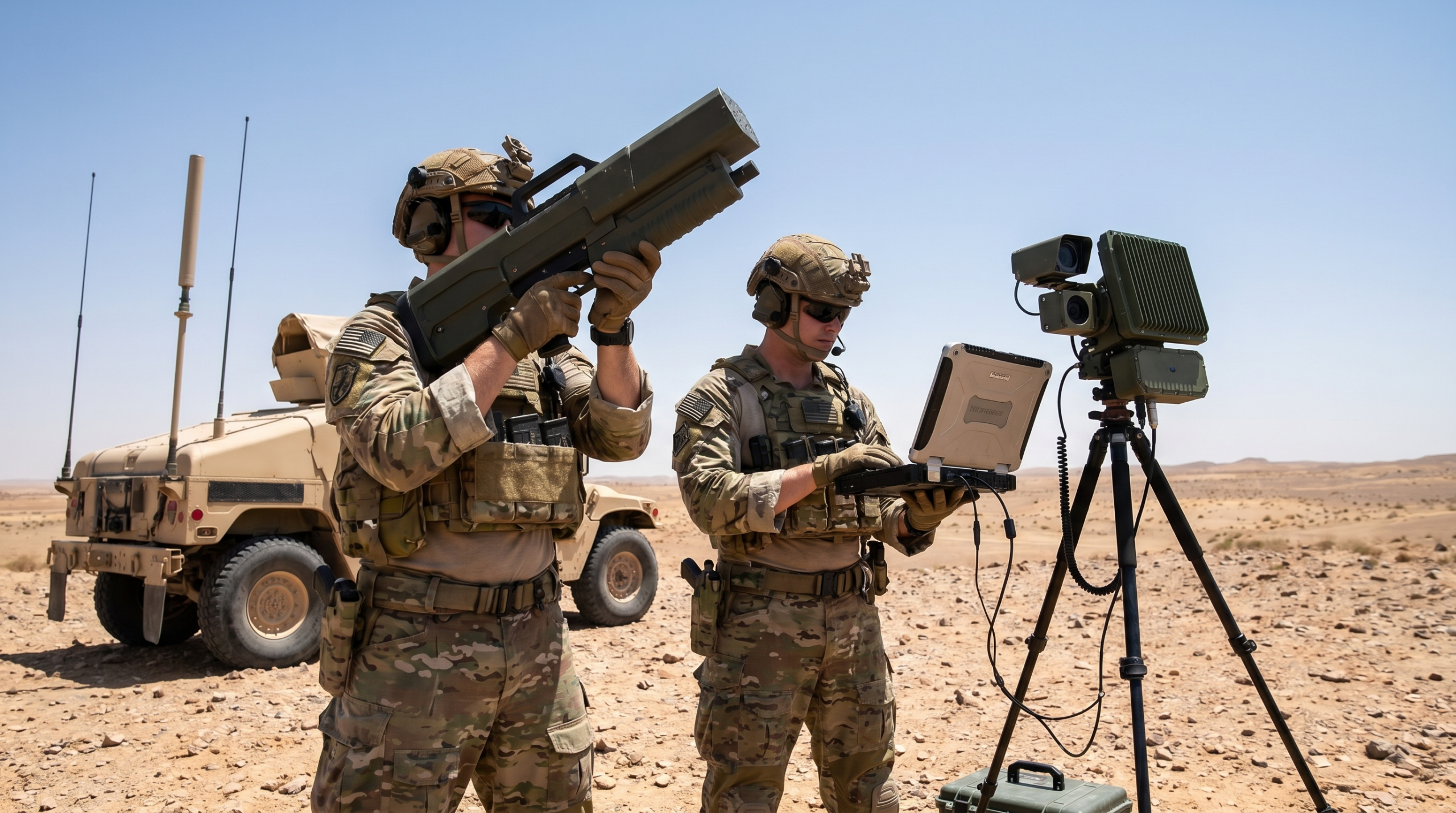
Britain recently undertook a significant move, deploying a contingent of specially trained drone hunters to the Middle East. These units gained combat experience in Ukraine and aim to address the increasingly complex drone threats in the region. This action highlights the critical role of counter-drone technology in modern warfare, especially in countering small and medium-sized drones, where drone hunters play an indispensable role.
UK-Ukraine Joint Training Outcomes
The training experience of these drone hunters is unique. They fought alongside local forces in Ukraine, learning extensively how to identify, track, and effectively counter various types of enemy drones. This combat background provided invaluable experience for the units, enabling them to master comprehensive capabilities from detection to interference and even destruction of drones. The UK Ministry of Defense emphasizes that cooperation with Ukraine significantly enhanced the operational efficiency and technical prowess of these drone hunter teams. Joint training covered electronic warfare, psychological operations, and rapid response strategies.
Counter-Drone Challenges in the Middle East
The Middle East region, due to its geopolitical complexities, has long faced the threat of drone attacks. Non-state actors and terrorist organizations frequently use inexpensive and easily acquired drones for reconnaissance or to launch attacks. Britain deployment of drone hunters here aims to enhance the defensive capabilities of regional allies and effectively curb aerial threats. This deployment is expected to improve regional security and provide new solutions for combating the proliferation of drone technology. This action is also part of Britain international security strategy.
Conclusion
Britain deployment of experienced drone hunters to the Middle East marks an important step in addressing global drone threats. This not only demonstrates Britain commitment to security but also underscores the immense value of international cooperation in enhancing counter-drone capabilities. In the future, such specialized units will become an important force for maintaining regional stability.
FAQ
Question 1: What threats do these drone hunters primarily address?
*Answer 1: These units primarily address reconnaissance and attack drone threats from various non-state actors and terrorist organizations, including small intelligence-strike drones. *
Question 2: Why did Britain choose to deploy this unit to the Middle East?
*Answer 2: The Middle East region faces growing drone threats, and Britain move aims to enhance the defensive capabilities of regional allies and maintain regional security, while also curbing technology proliferation. *
References
- United24 Media (https://united24media.com/latest-news/britain-just-sent-drone-hunters-trained-with-ukraine-to-the-middle-east-16570)
