

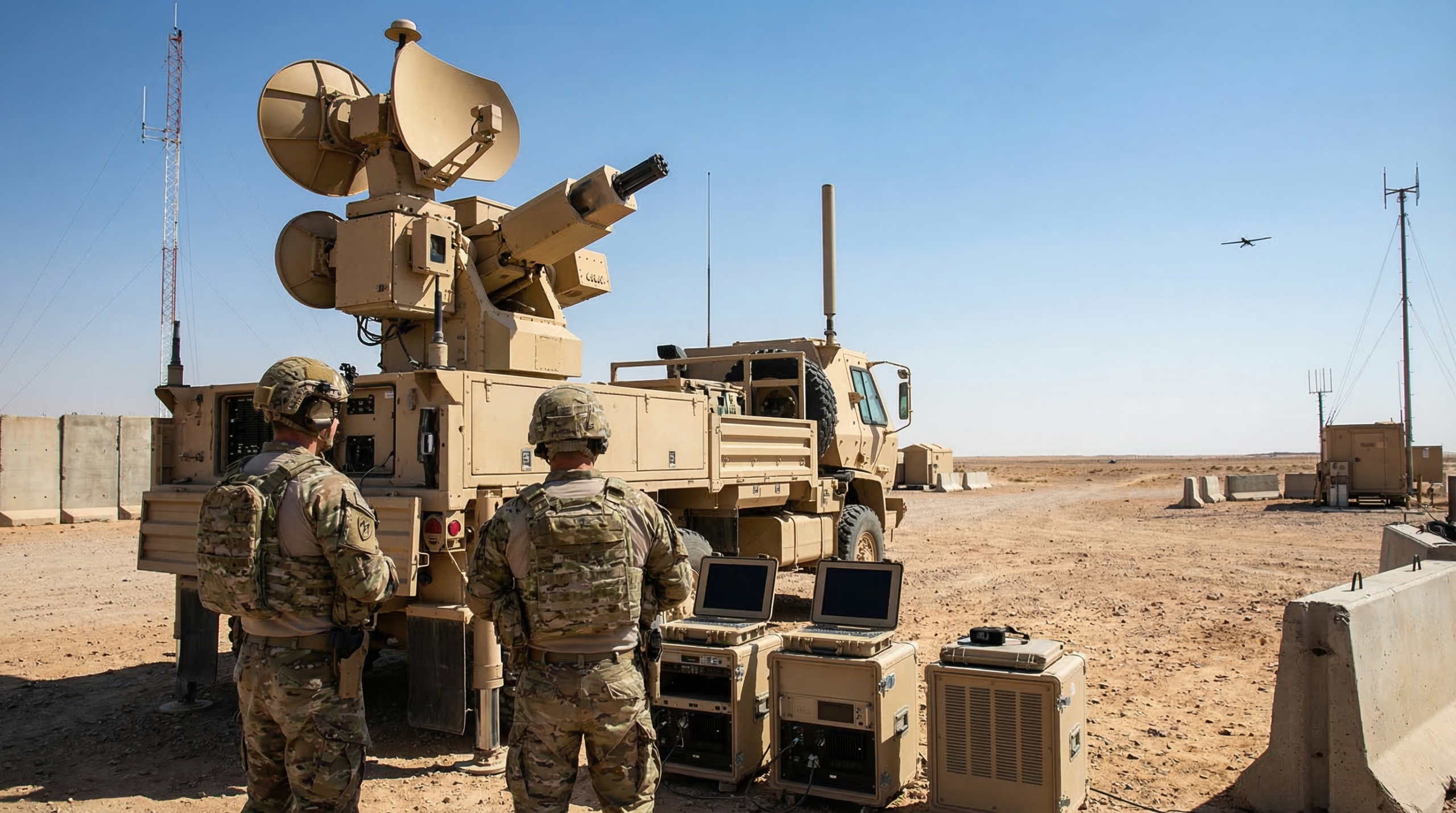
Addressing Aerial Threats: Exploring Cutting-Edge Counter-UAV Technology
Introduction
In recent years, unmanned aerial vehicles (UAVs), particularly inexpensive and readily available models, have emerged as a growing challenge in global security. From reconnaissance to attack, these aircraft are changing the nature of modern conflicts. In the Gulf region, Iranian-made Shahed drones are reportedly used to target US bases, highlighting the urgent need for effective counter-UAV technology. This article will delve into these emerging threats and present the most advanced solutions for defending against them.
The Evolution of Drone Threats: A Shahed Drone Case Study
The Shahed series of drones, known for their cost-effectiveness and long-range strike capabilities, have been observed in multiple conflict zones. These drones are designed to circumvent traditional air defense systems, posing a serious risk to fixed installations and mobile forces. Their operational mode often involves swarm attacks or utilizing terrain for cover, making effective detection difficult for conventional radar. This asymmetric threat necessitates the evolution of defense systems, with counter-UAV technology becoming especially crucial for critical infrastructure protection and personnel safety.
Solutions in Cutting-Edge Counter-UAV Technology
To effectively counter increasingly sophisticated drone threats, modern counter-UAV technology employs a multi-layered defense strategy. This includes:
- Detection and Tracking: Utilizing radar, radio frequency analyzers, acoustic sensors, and optical sensors to detect and identify drones. These systems can spot small, slow-moving, low-altitude targets from a distance.
- Identification and Classification: Distinguishing friendly from hostile drones through artificial intelligence and machine learning algorithms, reducing false positives and providing critical information to decision-makers.
- Neutralization and Interception:
- Electronic Warfare (EW): Jamming drone navigation signals (GPS), control links, and video transmissions to make them deviate from course or crash.
- Kinetic Interception: Using anti-drone guns, net-catching drones, or even high-energy laser systems for physical interception.
- Cyber Attacks: In some cases, compromising drone systems via cyber intrusion to take over control or disable them.
Deploying these comprehensive counter-UAV systems is vital for protecting sensitive areas such as military bases, airports, government buildings, public gatherings, and other critical infrastructure.
Conclusion
The rapid evolution of drone threats demands that global defense strategies continuously adapt and innovate. Cutting-edge counter-UAV technology is no longer an option but a necessity for addressing modern battlefield and civilian security challenges. By integrating advanced detection, identification, and neutralization methods, we can effectively mitigate the risks posed by drones, ensuring the safety of critical assets and personnel. In the future, counter-UAV technology will continue to evolve to meet even more complex and stealthy aerial threats.
FAQ
Question 1: How do drone defense systems identify friendly drones?
*Answer 1: Advanced drone defense systems typically integrate Identification Friend or Foe (IFF) capabilities, distinguishing authorized from unauthorized drones via preset encrypted communication protocols or specific radio frequency signals, to prevent accidental engagement.
Question 2: What are the civilian applications of counter-UAV technology?
*Answer 2: Counter-UAV technology has broad civilian applications, including protecting airport airspace, nuclear power plants, prisons, large event venues, and critical infrastructure from potential drone threats, thereby ensuring public safety.
References
- Deutsche Welle (https://www.facebook.com/deutschewellenews/posts/iranian-made-shahed-drones-are-now-targeting-us-bases-in-the-gulf-the-same-weapo/1374024994752811/)
