

Counter-UAV Technology in Modern Warfare: Ukraine’s Experience
Introduction
With technological advancements, unmanned aerial vehicles (UAVs) have become an undeniable force on the modern battlefield. They perform reconnaissance, attack, and even harassment missions, posing severe challenges to traditional defense systems. The Ukrainian conflict, in particular, highlights the importance of effective counter-UAV technology. This article will delve into how counter-UAV technology has evolved and how Ukraine utilizes these systems in real combat to address increasingly complex aerial threats.
Evolution and Challenges of Drone Threats
Over the past few years, drones have evolved from simple remote-controlled aircraft into highly sophisticated reconnaissance, attack, and suicide tools. From small consumer drones to large military UAVs, their low-altitude flight capabilities, stealth, and cost-effectiveness make them popular choices in asymmetric warfare. The challenge lies in how to detect and effectively counter these aerial targets, which vary in size, speed, and may appear in swarms. Traditional air defense systems are often inefficient against small, slow drones, prompting the rapid development of specialized counter-UAV technology.
Practical Application of Counter-UAV Systems in Ukraine
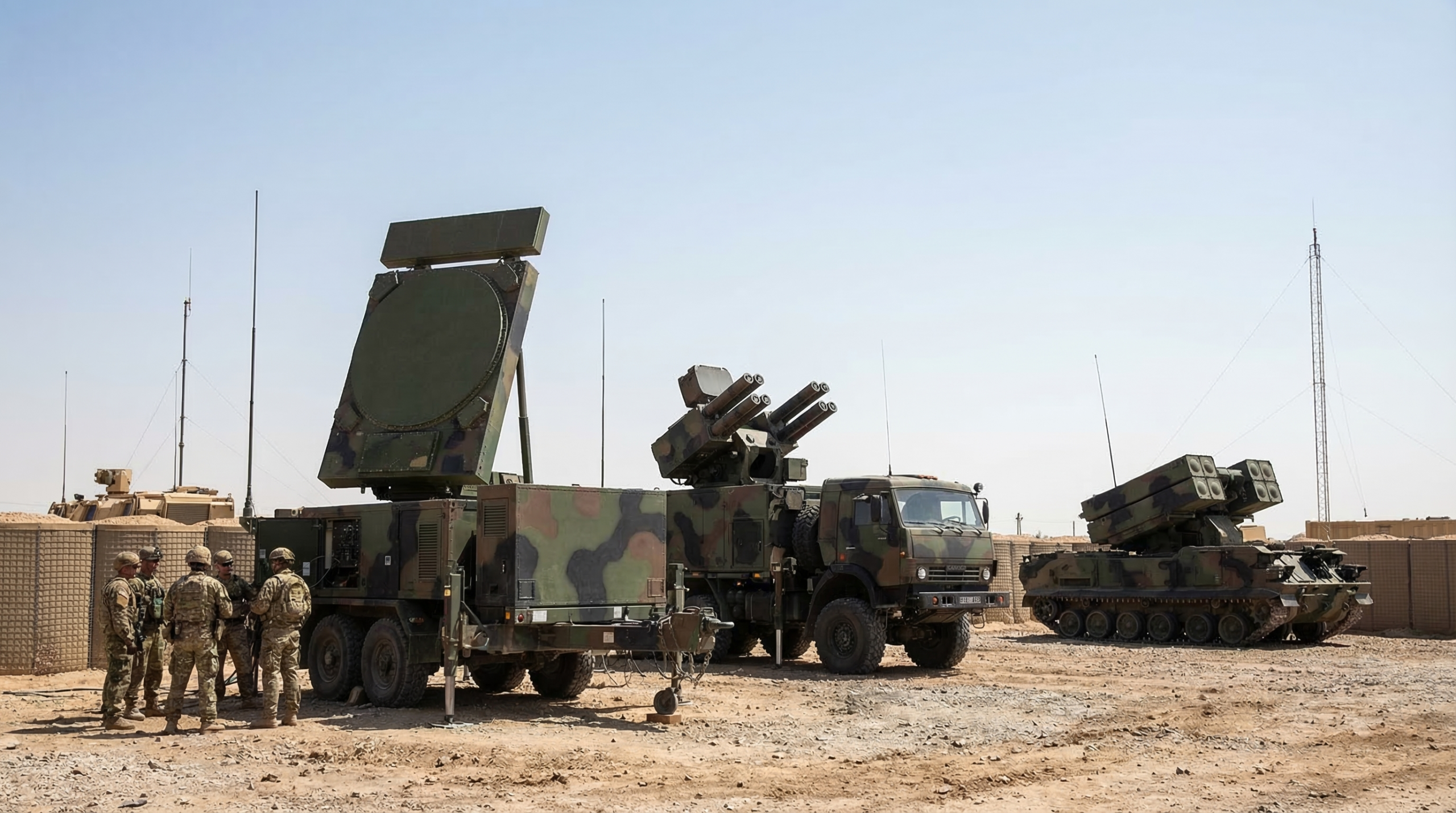
On the Ukrainian battlefield, the practical application of counter-UAV technology is crucial. For instance, Ukrainian air defense systems reportedly successfully shot down a Russian drone in Kyiv Oblast, serving as an example of their aerial defense capabilities. Ukraine has deployed a variety of counter-UAV solutions, including radio jammers, kinetic interception systems (such as anti-aircraft missiles and artillery), and advanced detection systems utilizing networks and optical sensors. These systems work collaboratively to form multi-layered defenses aimed at identifying, tracking, and neutralizing enemy drones. From handheld jamming guns to vehicle-mounted integrated defense platforms, Ukraine’s experience demonstrates that flexible and adaptable counter-UAV strategies are vital for protecting civilians and critical infrastructure.
Conclusion
The increasing role of drones in modern conflicts makes counter-UAV technology a core component of national defense strategies. Ukraine’s combat experience proves its effectiveness and indispensability in addressing complex and diverse drone threats. In the future, as drone technology continues to advance, counter-UAV technology will also continue to innovate to ensure national security and regional stability.
FAQ
Question 1: What are the main types of counter-UAV technology?
Answer 1: The main types include radio jamming, kinetic interception (such as missiles or anti-aircraft guns), cyberattacks, laser weapons, and physical capture via netting systems.
Question 2: Why are counter-UAV systems so important in modern warfare?
Answer 2: They can effectively defend against reconnaissance, attack, and harassment drones, protecting critical infrastructure, military units, and personnel, thereby reducing losses and maintaining battlefield advantage.
References
- Kyiv Post (https://www.kyivpost.com/post/71888)
Related content
- New Developments in Modern Air Defense Systems
- The Role of Electronic Warfare in Military Conflicts
- Military Applications of Drone Technology
