

Introduction
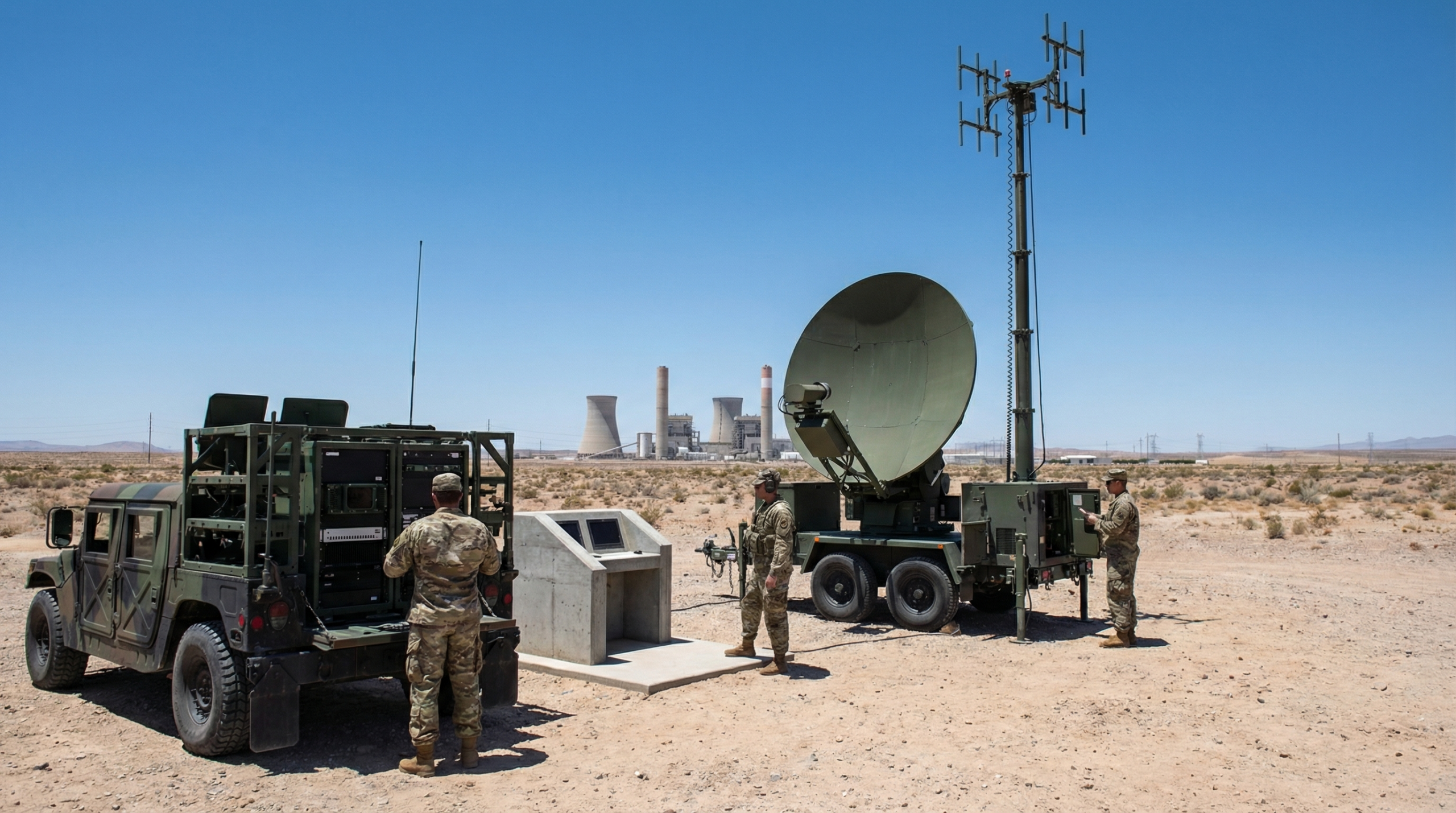
With the rapid development of drone technology, its applications in commercial and military fields are increasingly widespread. However, accompanying security challenges cannot be ignored, especially near critical infrastructure, sensitive areas, and military bases. Drone defense has become a crucial part of maintaining national security and public order. This article will delve into the technical principles, application challenges, and future development trends of modern drone defense systems.
Drone Detection and Identification Technology
Successful drone defense first relies on efficient detection and identification. Radar systems, RF detectors, acoustic sensors, and optical sensors are the primary technical means. Radar provides long-range detection capabilities, identifying drone size and speed. RF detectors passively listen for communication signals between drones and their remote controllers, identifying their models and flight paths. Acoustic sensors identify drones by propeller noise, while high-resolution optical sensors provide visual confirmation. These technologies are often used in combination, forming multi-layered detection networks to improve identification accuracy and distinguish friendly from hostile drones.
Drone Defense Systems and Countermeasure Strategies
Once a drone is detected and confirmed as a threat, various countermeasure strategies can be employed for drone defense. Common countermeasures include signal jamming, GPS spoofing, physical capture, and kinetic weapons. Signal jammers can cut off communication links between a drone and its operator, forcing it to return or land. GPS spoofing technology sends false positioning signals, misleading the drone from its intended flight path. For more severe threats, kinetic means such as drone capture nets or laser weapons can be used. Choosing the appropriate countermeasure depends on the nature of the threat, the environment, and legal regulatory restrictions.
Conclusion
Drone defense is no longer a future concept but a present challenge we must face. As drone threats continuously evolve, developing smarter, more integrated drone defense solutions is paramount. By combining advanced detection technologies, diversified countermeasures, and reinforced legal frameworks, we can effectively protect our airspace and ensure the security of critical assets. Future drone defense will focus more on AI empowerment, autonomous decision-making, and collaborative combat capabilities.
FAQ
Question 1: What core components do drone defense systems typically include?
Answer 1: A typical drone defense system comprises detection units (such as radar, RF analyzers, optical/infrared cameras), identification units (using AI or signal signature analysis), decision support systems, and countermeasure units (such as jammers, GPS spoofers, net guns, or lasers).
Question 2: What are the civilian applications of drone defense technology?
*Answer 2: In the civilian sector, drone defense technology is widely used to protect airports, nuclear power plants, prisons, major sporting events, and critical infrastructure from unauthorized drone interference or attacks. It helps maintain public safety and privacy. *
References
- BBC News (https://www.bbc.co.uk/news/videos/cpv83ndmezno)
