

Introduction
Recent regional conflicts highlight the critical role of drones on the modern battlefield. Ukraine successfully struck targets deep inside, demonstrating the powerful capabilities of drone technology. Meanwhile, NATO is actively testing its counter-drone systems to address these emerging threats. This article will explore the development of counter-drone technology and its importance in future conflicts.
NATO Counter-drone Testing Progress
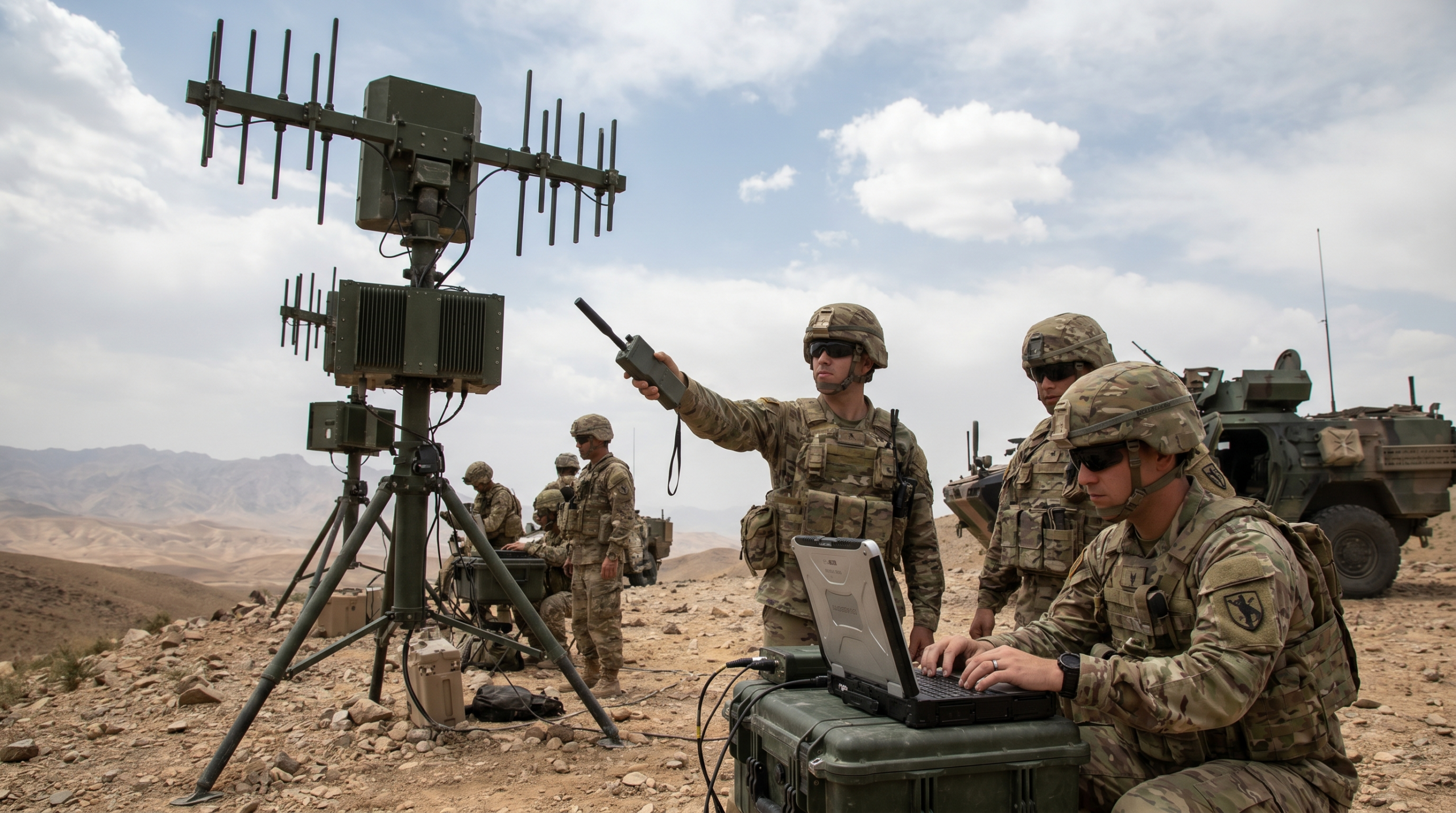
NATO recently conducted several exercises, focusing on testing various counter-drone solutions. These tests covered a range of technologies, from electronic jamming to kinetic effectors, aiming to build a multi-layered defense system. The NATO Innovation Hub is also committed to advancing C-UAS capabilities to effectively suppress enemy drones. These systems are crucial for protecting critical infrastructure and military personnel.
Evolution of Drone Threats and Countermeasures
Modern drones are no longer simple reconnaissance tools; they can carry weapons and perform long-range strike missions. This capability makes counter-drone an urgent necessity. Effective countermeasures include radar detection, optical tracking, and electronic warfare targeting drone communication links. Simultaneously, research and development of more advanced counter-drone technologies, such as directed energy weapons, are important future directions.
Conclusion
The increasing role of drones in modern warfare makes counter-drone systems a core component of national defense strategies. NATO’s continuous testing and investment demonstrate the importance placed on this challenge. As technology advances, future counter-drone solutions will be more efficient and integrated.
FAQ
Question 1: What is a counter-drone system?
Answer 1: A counter-drone system refers to a collection of technologies used to detect, track, identify, intercept, or disable drones and uncrewed aerial vehicles.
Question 2: What are the main types of counter-drone systems?
Answer 2: Main types include electronic jamming systems, kinetic interceptors, laser weapons, and cyberattack solutions.
