

Introduction
In recent years, the application of drones in modern conflicts has become increasingly widespread, especially in the Middle East, where inexpensive and easily accessible drones pose a serious threat to critical infrastructure and military targets. To address this challenge, an experienced Ukrainian counter-drone unit has been deployed to five Gulf states. This deployment not only highlights Ukraine expertise in counter-drone technology but also underscores the urgent need for Gulf states to enhance their defense capabilities, jointly addressing the region progressively complex security challenges.
Escalating Drone Threats and the Importance of Counter-Drone Technology
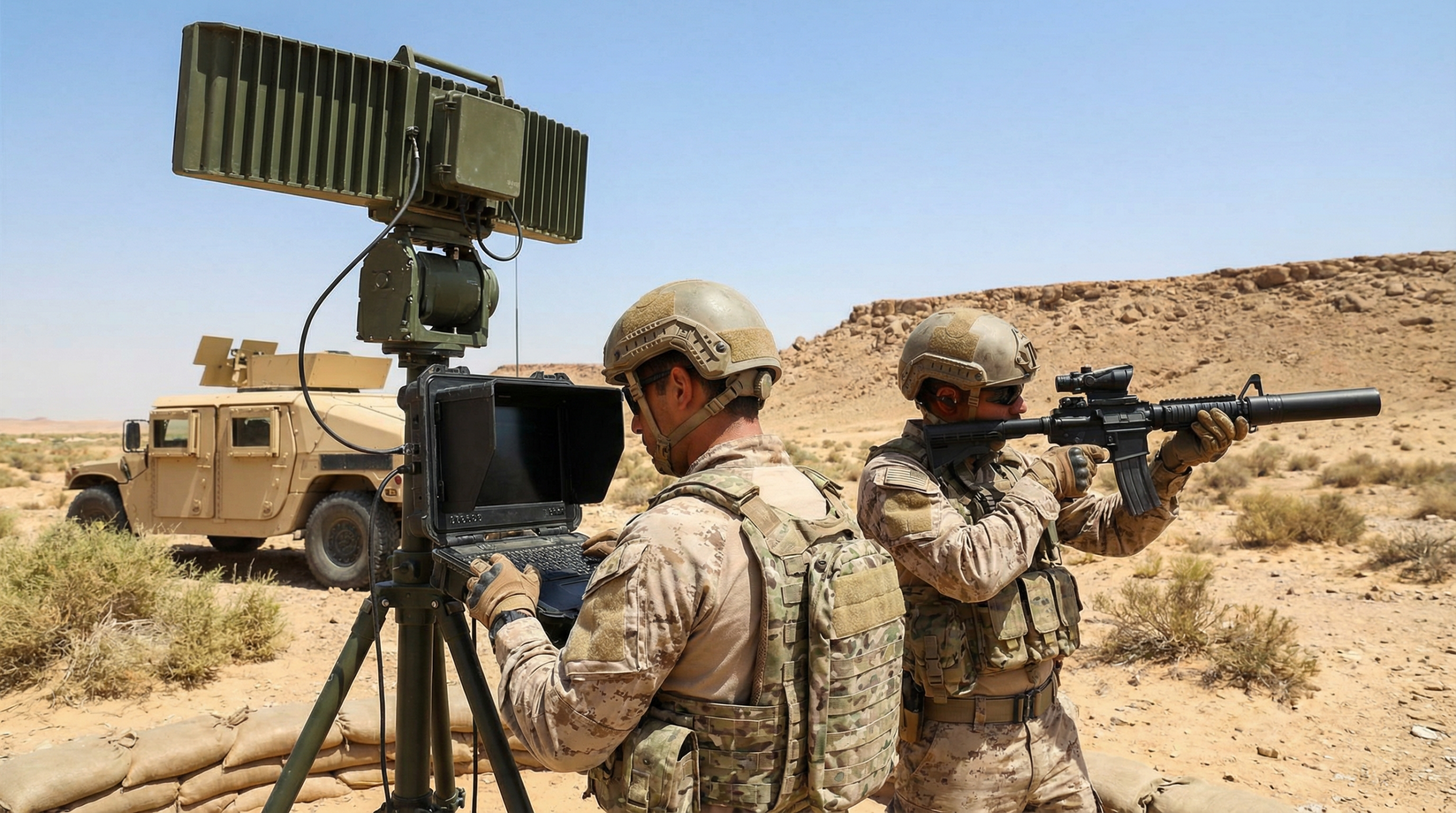
Drones, particularly armed and reconnaissance drones, have become critical tools in asymmetric warfare. They are low-cost, flexible to operate, and capable of circumventing traditional air defense systems, posing potential threats to military bases, oil facilities, and even civilian areas. For example, some non-state actors use drones for reconnaissance, strikes, or harassment, severely disrupting regional stability. Therefore, developing and deploying advanced counter-drone technology is crucial for any nation seeking to maintain national security and regional stability. These technologies include radar detection, optical tracking, radio frequency jamming, cyberattacks, and kinetic interception, among other methods, aiming to effectively identify, track, and neutralize enemy drones.
Deployment of Ukrainian Forces and Regional Impact
The deployment of the Ukrainian counter-drone unit is part of its strengthened defense cooperation with Gulf states. These forces bring valuable experience accumulated in actual conflicts, especially in countering Russian drone swarms. Their expertise in electronic warfare, jamming techniques, and operational training will significantly enhance the Gulf states ability to respond to drone threats. This move not only helps protect the critical assets of Gulf states but may also prompt other countries in the region to re-evaluate their air defense strategies. In the long run, such international cooperation has profound significance for building a stronger regional security framework, sharing best practices, and jointly promoting the innovation and development of counter-drone technology.
Conclusion
The deployment of Ukrainian counter-drone forces in the Gulf region marks a significant milestone in the international community joint response to the growing drone threat. This not only provides practical solutions to current challenges but also lays the foundation for future counter-drone technology research and development and regional security cooperation. Through technology exchange and sharing of practical experience, Gulf states will be able to more effectively protect their territories and interests, ensuring regional stability and prosperity.
FAQ
Question 1: Why do Gulf states need Ukrainian counter-drone technology support?
Answer 1: The Gulf region faces increasingly complex drone threats from non-state actors and potential adversaries, particularly concerning critical infrastructure protection. Ukrainian forces have extensive practical experience in counter-drone operations and can provide effective solutions and training.
Question 2: What specific tasks does the Ukrainian counter-drone unit deployment in the Gulf region involve?
Answer 2: Their tasks may include, but are not limited to: providing training on advanced counter-drone systems, assisting in establishing regional counter-drone defense frameworks, sharing tactical experience in electronic warfare and drone identification, and helping optimize existing defensive measures.
References
- MSN News (https://www.msn.com/en-us/news/politics/ukrainian-counter-drone-unit-deployed-to-five-gulf-states-amid-iran-war/ar-AA1Z5t9x?ocid=hpmsn)
