

Introduction
Recently, reports indicated that the United States rejected a Ukrainian proposal for advanced anti-drone technology aimed at countering Iranian Shahed drones, a decision that has garnered significant attention. This decision not only reveals the complex considerations in international military aid but also poses new challenges for the development and deployment of future anti-drone technology. This article will delve into the intricacies of this event, exploring the potential reasons behind the US decision and evaluating its far-reaching implications for the conflict in Ukraine and global defense technology cooperation.
Proposal Details and US Considerations
According to sources, Ukraine had put forward an innovative anti-drone technology solution designed to effectively identify and interfere with Shahed series attack drones. However, after evaluation, the US chose not to adopt it. The reasons for its rejection may involve multiple aspects. On one hand, the maturity, scalability, and integration capabilities of the technology itself with existing defense systems could be crucial factors. On the other hand, cost-benefit analysis, mass production capacity, and whether it aligns with US strategic priorities might also have played a role. The US may have considered its existing or developing solutions to be superior or better suited to long-term strategic needs, rather than a short-term rapid deployment for a specific threat.
Challenges and Future of Anti-Drone Technology
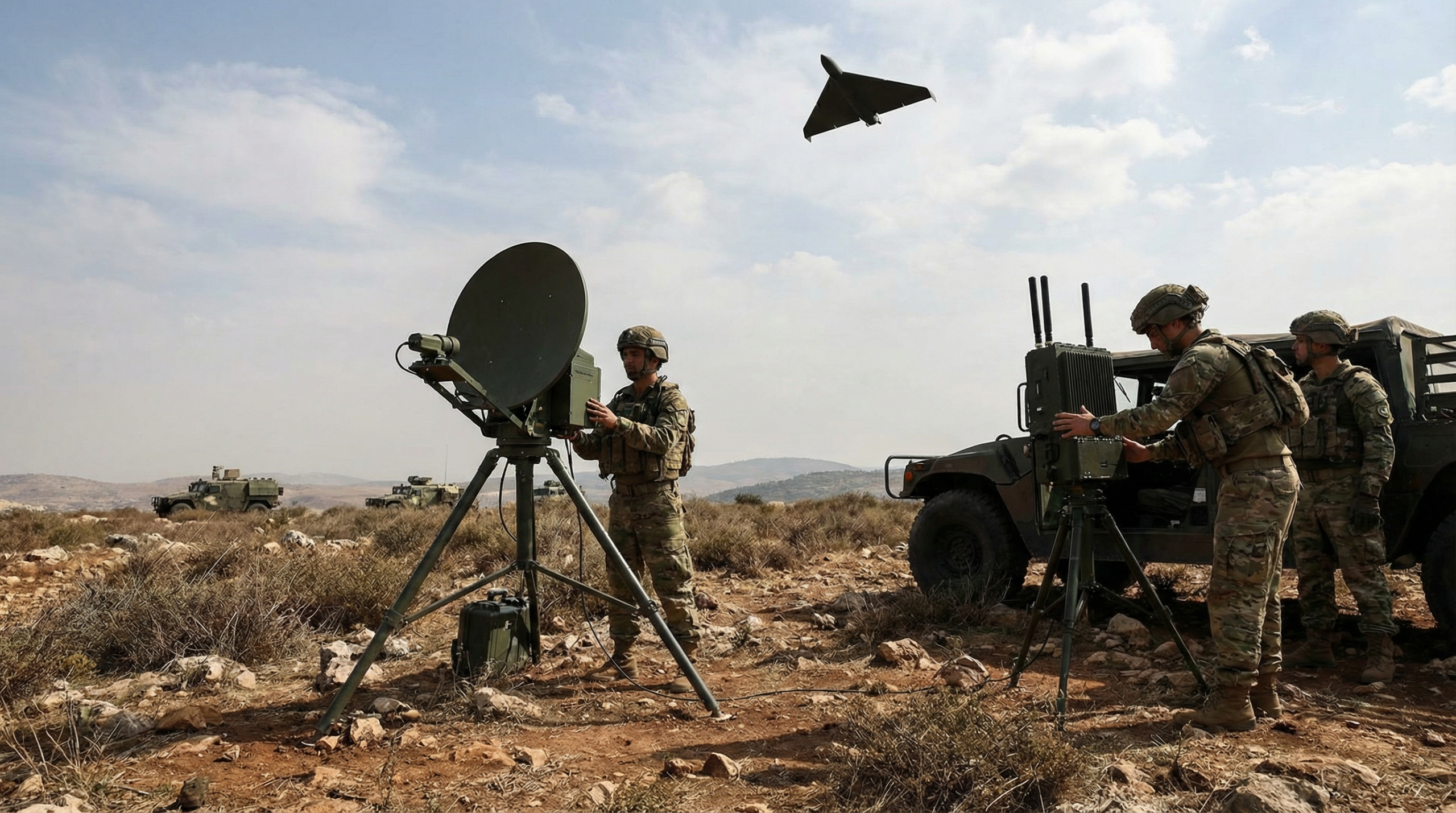
Shahed drones pose a significant threat to modern battlefields due to their cost-effectiveness and ease of deployment. Effective anti-drone technology is therefore critical. From radar detection and optical tracking to electronic warfare jamming and kinetic interception, various technological means are continuously evolving. The US rejection of the Ukrainian proposal highlights the complex balance between technological innovation, international cooperation, and strategic decision-making in the face of rapidly changing threats. In the future, how countries find the optimal balance among technological iteration, resource allocation, and political will when confronting new drone threats will be a major challenge in the defense sector.
Conclusion
The US rejection of Ukraine’s anti-drone technology proposal undoubtedly prompts profound reflection within the international community regarding defense cooperation and technological choices. This is not merely a decision about a specific technology but a reflection of strategic planning, resource optimization, and foresight into the future of warfare. As drone threats become increasingly severe, countries urgently need to make greater strides in technological research and development, practical deployment, and international coordination to ensure effective defensive capabilities.
FAQ
Question 1: What could be the main reasons for the US rejecting Ukraine’s anti-drone technology proposal?
*Answer 1: The main reasons likely include assessments of the technology’s maturity, scalability, cost-effectiveness, and the complexity of integrating it with existing US defense systems. Additionally, the US may have considered its own anti-drone solutions to better align with its strategic needs.
Question 2: What major threats do Shahed drones pose to the modern battlefield?
*Answer 2: Shahed drones, with their relatively low cost, mass production capability, and ease of deployment, can conduct saturation attacks on infrastructure and military targets, causing significant damage and depleting enemy’s expensive air defense resources.
