

Introduction
Recently, reports indicated that months before the outbreak of the Middle East conflict, the United States had refused to provide Ukraine with critical anti-drone technology specifically for countering Shahed drones. This decision has drawn widespread attention, highlighting the severe threat posed by drones in modern warfare and the importance of advanced anti-drone technology. This article will delve into the background of this event, the challenges Shahed drones pose to international security, and the future development directions of anti-drone technology.
The US Decision Background: The Challenge of Shahed Drones
According to reports, Ukraine had sought US technology capable of effectively suppressing Iranian-made Shahed series drones. These drones, with their cost-effectiveness and long-range attack capabilities, have posed a serious threat to critical infrastructure and military targets in various conflict zones, including Ukraine and the Middle East. The specific reasons for the US refusal to provide this anti-drone technology are not yet entirely clear, but may involve technological secrecy, supply chain limitations, or concerns about conflict escalation. Regardless, this decision undoubtedly presents greater challenges for Ukraine in countering these inexpensive yet deadly aerial threats. Shahed drones, through their unique flight paths and relatively small radar cross-section, impose new requirements on traditional air defense systems.
The Importance and Future Outlook of Anti-Drone Technology
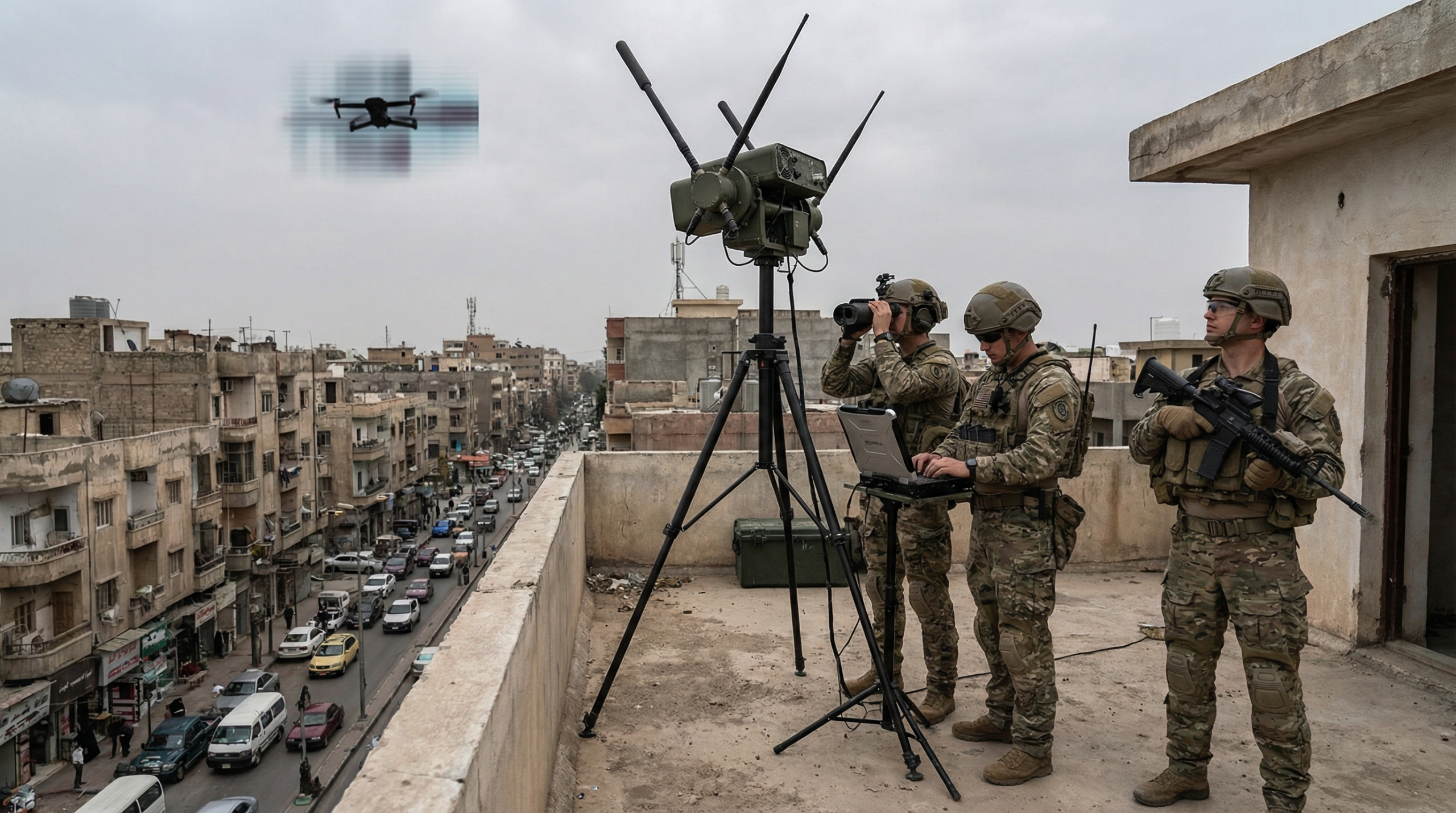
On the modern battlefield, the proliferation of drones has made air defense increasingly complex. Effective anti-drone technology is no longer a luxury but a necessity for national armies and the protection of critical infrastructure. This includes, but is not limited to, electronic warfare, cyber attacks, laser weapons, and kinetic interception, among other methods. Electronic jammers can sever communication links between drones and their operators, causing them to lose control or deviate from their flight path. In the future, anti-drone technology will evolve towards more intelligent and integrated directions, utilizing artificial intelligence and machine learning to identify, track, and neutralize various types of drones, including drone swarms. Global demand for anti-drone technology solutions continues to grow, with corresponding increases in research and development investment to counter constantly evolving aerial threats.
Conclusion
The incident of the US refusing to provide anti-drone technology to Ukraine once again serves as a warning about the destructive power of inexpensive attack drones like the Shahed series in global conflicts. Although the specific considerations behind the decision are complex, it undoubtedly underscores the importance of continuous investment and development in advanced anti-drone technology. As drone technology rapidly advances, nations must enhance cooperation and jointly explore innovative defensive strategies to maintain regional and global peace and stability.
FAQ
Question 1: What is the main threat of Shahed drones?
Answer 1: The main threat of Shahed drones lies in their cost-effectiveness, long range, and ability to deliver precise strikes against critical infrastructure and military targets. They can challenge traditional air defense systems in complex environments.
Question 2: What are the main types of anti-drone technology?
Answer 2: Anti-drone technology primarily includes electronic jamming, cyber attacks, laser weapons, kinetic interception, and AI-based identification and tracking systems. These technologies aim to sever drone control, destroy them, or render them inoperable.
References
- India Today (https://www.indiatoday.in/world/story/iran-war-us-turned-down-ukraine-anti-shahed-drone-tech-months-before-middle-east-conflict-says-report-2880089-2026-03-11)
Related Content
- Latest Advancements in Drone Defense Systems
- Challenges of Military Technology Aid in Geopolitical Context
