

Introduction
Southeast Asia faces growing drone threats, prompting nations to invest more in counter-drone technologies. These threats originate not only from terrorist groups and criminals but also involve illegal activities by non-state actors, posing a severe test to regional security. Governments recognize that effectively addressing drone challenges requires multi-faceted, systematic strategies.
Regional Nations Counter-drone Measures
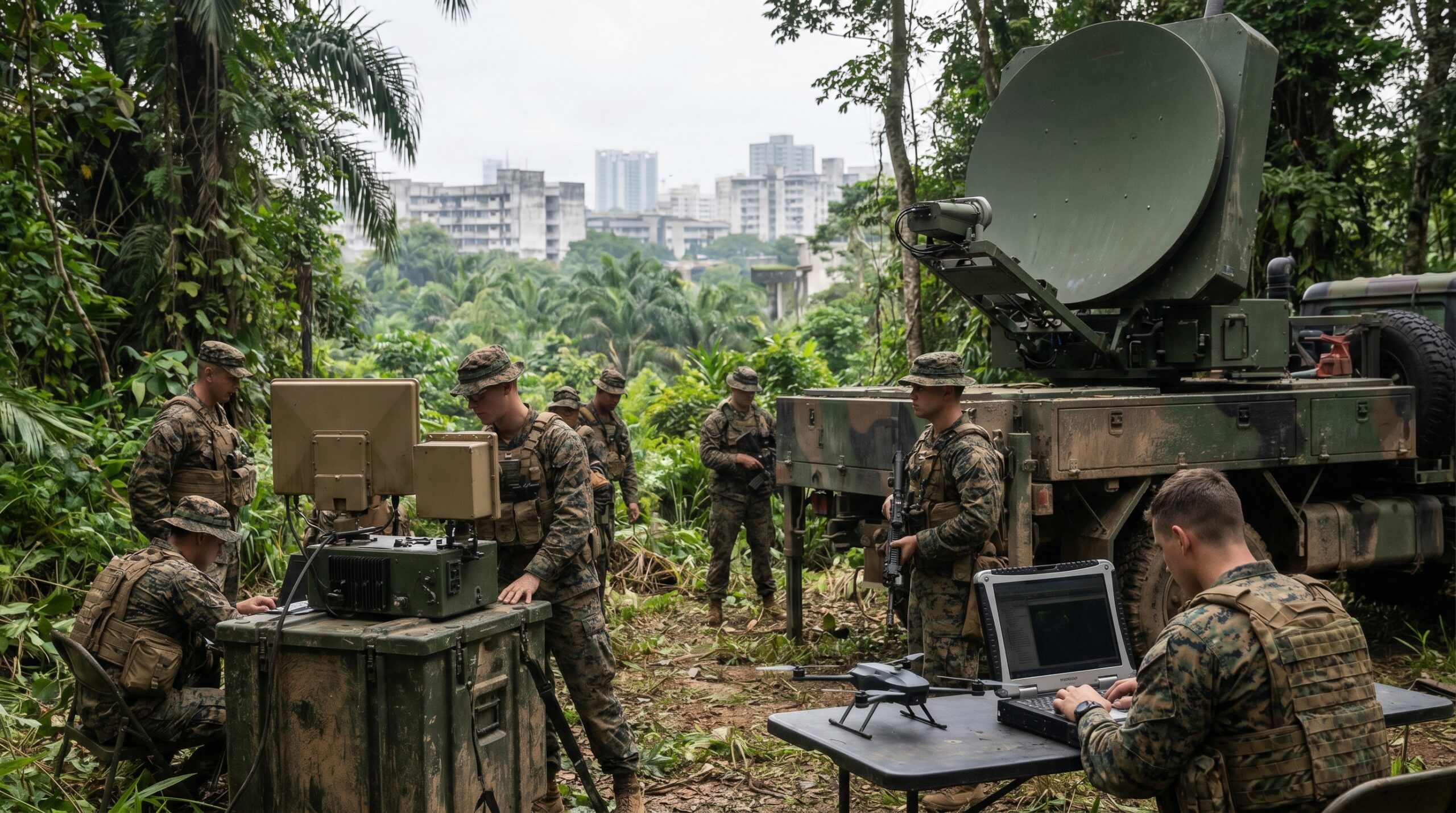
Many Southeast Asian countries have taken proactive measures to enhance their counter-drone capabilities. For instance, Singapore invests in advanced radar systems and electronic warfare technology, aiming to detect, track, and jam unauthorized drones. Malaysia and Thailand focus on developing integrated command and control systems to coordinate responses across different departments. These measures typically include sensor deployment, jamming equipment, and kinetic weapon integration, forming a multi-layered defense system.
Challenges in Counter-drone Efforts
Despite significant regional investment, counter-drone efforts still face numerous challenges. Technically, the stealth of micro and nano drones makes them difficult for traditional radar to detect. Lagging legal and regulatory frameworks also limit law enforcement agencies authority when responding to drone incidents. Furthermore, disparities in information sharing and technical standards among countries in the region restrict collaborative defense capabilities. Future responses to these challenges require stronger international cooperation and technological innovation.
Conclusion
Southeast Asia’s counter-drone efforts are continuously evolving, but their complexity and variability demand constant adaptation and innovation from countries. By strengthening technological R&D, improving regulations, and deepening regional cooperation, Southeast Asian nations can build a more robust aerial defense system, effectively addressing future challenges posed by drones.
FAQ
Question 1: What is counter-drone?
Answer 1: Counter-drone refers to using technology and strategies to detect, identify, track, jam, or destroy unauthorized drone systems to protect critical infrastructure, sensitive areas, and public safety.
Question 2: What are the main challenges Southeast Asian countries face in counter-drone efforts?
Answer 2: Main challenges include the stealth of micro drones, lagging regulations, differing technical standards, and insufficient regional cooperation.
References
- The Diplomat (https://thediplomat.com/2026/05/southeast-asias-counter-drone-efforts/)
