

Introduction
As the nature of modern warfare evolves, drones have become an undeniable force on the battlefield. From reconnaissance to attack, their uses are increasingly diverse. Particularly in the Ukraine conflict, the widespread deployment of drones has highlighted the global need for effective counter-drone systems. NATO is actively investing resources to test and deploy various advanced technologies, aiming to effectively counter the growing drone threat and protect critical infrastructure and military personnel.
Evolution of Drone Threats
Over the past few years, drone technology has advanced rapidly, making it more accessible, less costly, and more powerful. This has enabled non-state actors to use drones for attacks or reconnaissance. Faced with this asymmetric threat, traditional air defense measures are often insufficient. Small, fast, low-flying drones can evade radar detection, posing a serious threat to ground targets. Therefore, developing counter-drone systems capable of effectively identifying, tracking, and neutralizing these aircraft has become crucial.
NATOs Counter-Drone System Tests
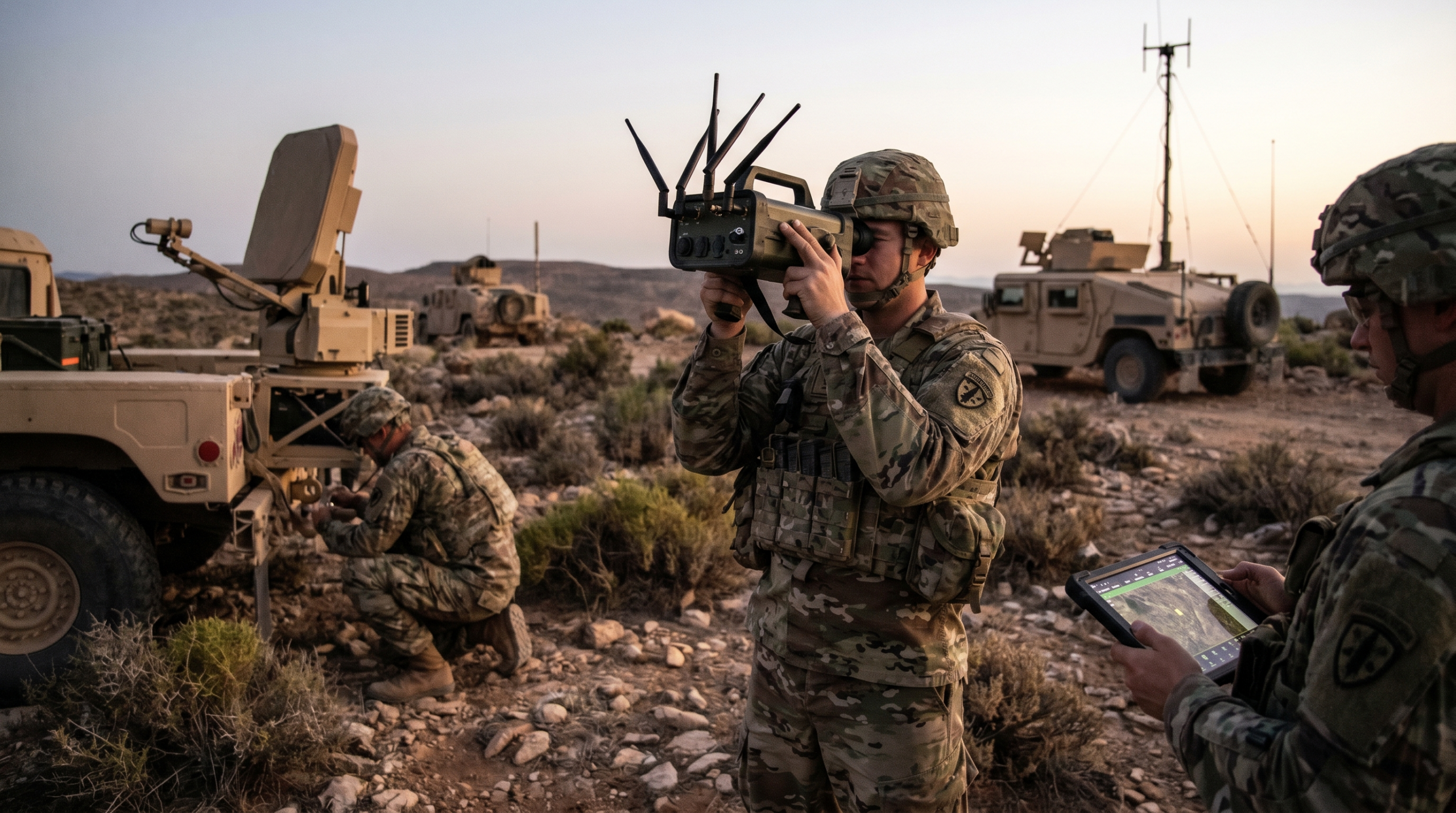
NATO nations recognize the urgency of the drone threat and are jointly conducting multiple counter-drone system tests and exercises. These tests aim to evaluate the effectiveness of various technologies, including electronic warfare, kinetic interceptors, laser weapons, and cyberattacks. For instance, in recent exercises, NATO forces tested integrated systems combining radar, optical sensors, and radio frequency jammers to successfully counter multiple drones in complex electromagnetic environments. Through these realistic tests, NATO is committed to enhancing its collective defense capabilities, ensuring forces can effectively address future airspace challenges.
Conclusion
The development of drone technology poses new challenges to the global security landscape, and the advancement of counter-drone systems is key to addressing this challenge. Through continuous testing and cooperation, NATO is striving to build a stronger and more resilient defense system. As the technology matures, we can anticipate the emergence of more intelligent and integrated counter-drone solutions, thereby effectively maintaining national and regional security and stability.
FAQ
Question 1: What are the main technologies used in counter-drone systems?
*Answer 1: Key technologies include electronic warfare, kinetic interception, laser weapons, high-power microwaves, and cyberattack and spoofing techniques, all designed to disrupt or control drones. *
Question 2: What is NATOs main objective in testing counter-drone systems?
*Answer 2: The main objective is to evaluate and integrate the most effective technologies to enhance its collective defense capabilities, protect critical assets, and ensure forces can respond to increasingly complex drone threats. *
References
- MSN News (https://www.msn.com/en-ca/news/insight/ukraine-strikes-deep-into-russia-as-nato-tests-counter-drone-systems/gm-GM56E36443?gemSnapshotKey=GM56E36443-snapshot-11)
