

Introduction
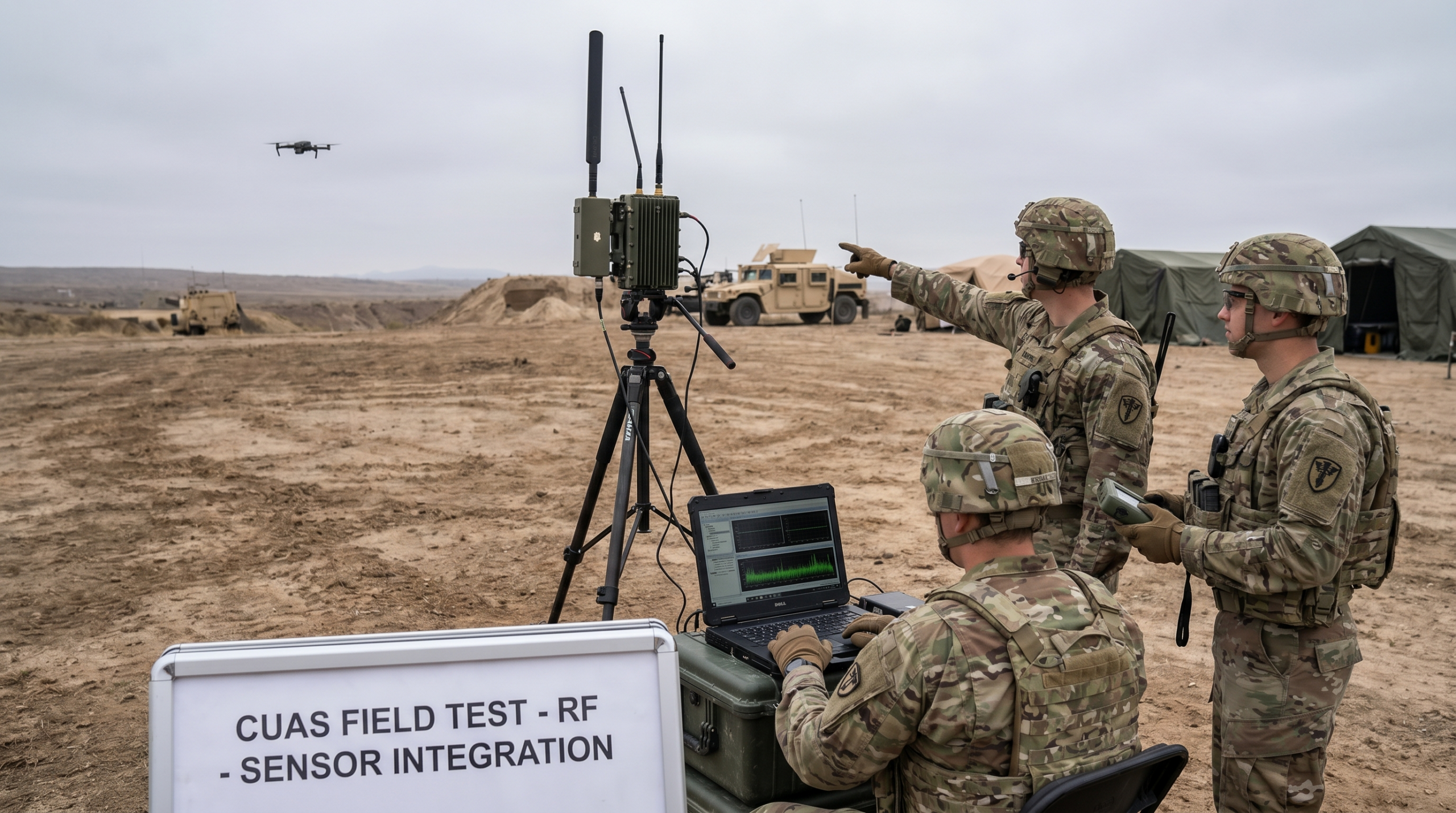
The Pentagon has spent billions on drone systems to counter growing aerial threats. However, a Florida test, based on Ukraine war experience, revealed a critical weakness: insufficient system integration. Despite advanced technology, effectively integrating these drone systems for collaborative operation remains a significant challenge. This article will delve into this core issue and analyze its profound implications for future defense strategies.
Massive Investment, What is the Effect?
Over the years, the US Department of Defense has invested heavily in developing and deploying various drone systems. These systems include radar detection, optical tracking, electronic countermeasures, and kinetic interception technologies. Theoretically, each of these individual technologies shows strong potential. However, when these independent systems need to work together, problems emerge. A lack of unified communication protocols, data sharing barriers, and command and control difficulties make it hard for these costly solutions to form an efficient protective network. This not only leads to wasted resources but also exposes vulnerabilities in the defense system, preventing comprehensive security.
Ukraine Experience Reveals Integration Weaknesses
Actual conflicts on the Ukrainian battlefield provided a harsh real-world test for drone systems. Although both Russian and Ukrainian forces deployed various drones, defenders often struggled to cope with complex, diversified drone attacks due to systems operating independently. A simulated test in Florida, drawing lessons from Ukraine, aimed to assess the integration capabilities of existing drone systems. The results showed that even in a controlled environment, information transfer, threat identification, and countermeasure coordination between different systems were far from ideal. This highlights that powerful individual technologies are not enough; true capability lies in seamless integration and efficient collaboration.
Conclusion
The true challenge facing drone systems is not the technology itself, but how to effectively integrate different technologies and platforms into a cohesive defense system. Both the Ukraine war experience and the Florida test clearly indicate that future development must focus on improving system interoperability, standardizing communication protocols, and establishing a unified command and control framework. Only by doing so can truly robust defense systems be built to counter complex and evolving drone threats, ensuring national security.
FAQ
Question 1: Why is drone systems integration so important?
*Answer 1: Only with efficient integration can different defense technologies work together to provide comprehensive and effective protection against complex drone threats, avoiding defense gaps.
Question 2: What are the main challenges facing existing drone systems?
*Answer 2: Key challenges include poor interoperability between different systems, insufficient data sharing, difficulties in sensor fusion, and a lack of unified command and control, leading to reduced defense efficiency.
References
- Vozpópuli Indux (https://www.vozpopuli.com/indux/en/the-pentagon-spent-billions-on-counter-drone-systems-but-a-florida-test-based-on-ukraines-war-showed-the-real-weakness-is-integration/4940/)
