

Introduction
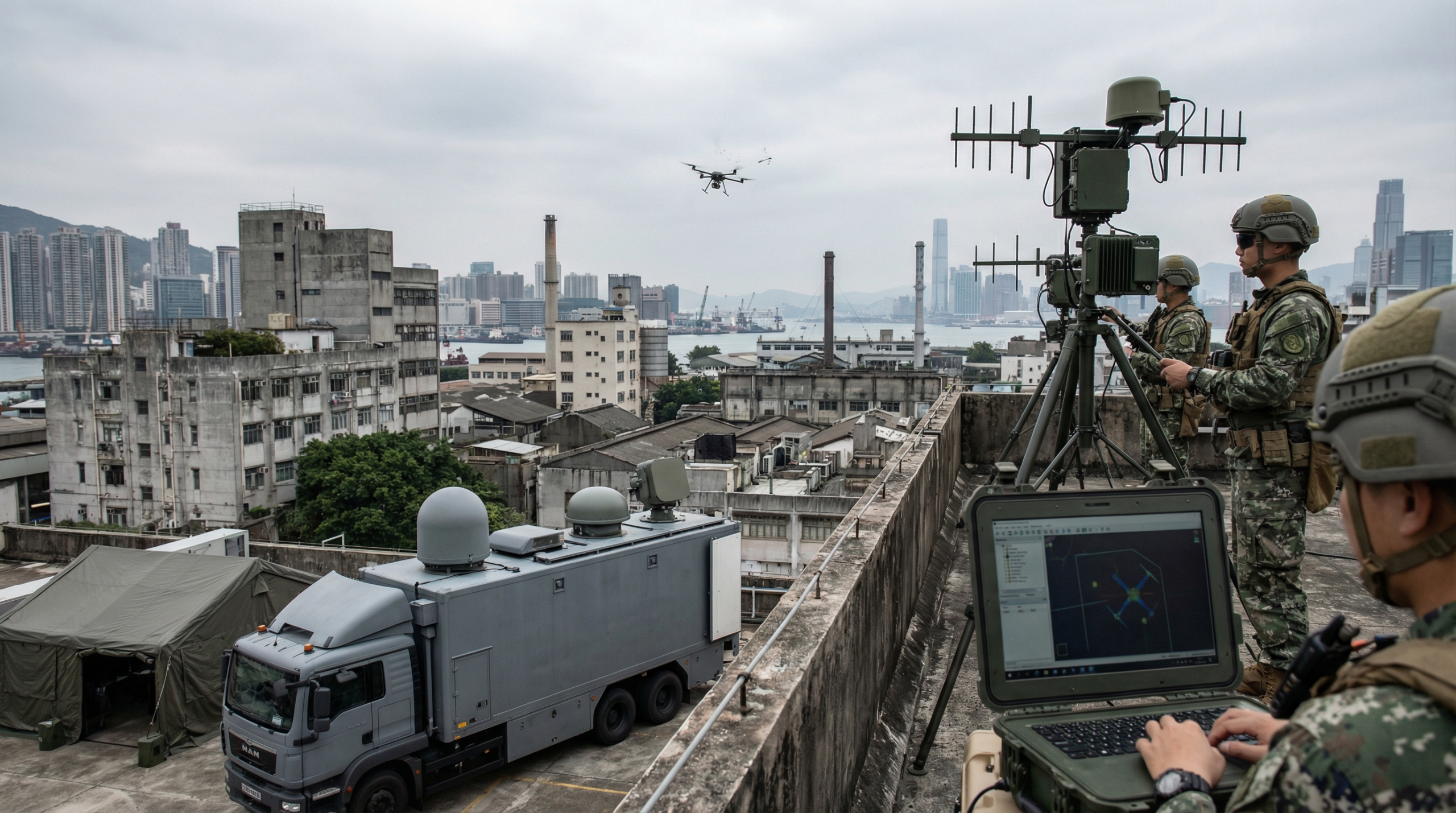
The proliferation of cheap drone technology poses an unprecedented threat to military security and critical infrastructure. These low-cost, easily accessible aircraft demonstrate destructive potential both on the battlefield and in civilian sectors, compelling governments and militaries worldwide to accelerate the development of drone countermeasures solutions. This article will explore the challenges posed by cheap drones and delve into the latest global strategies and technological advancements in drone countermeasures.
Security Challenges Posed by Cheap Drones
Cheap drones are characterized by low cost, ease of modification, and difficulty in detection. They can be used for reconnaissance, carrying explosives for attacks, and even forming swarm threats, posing severe tests for traditional defense systems. For instance, small commercial drones, with simple modifications, can cause significant damage to targets like airports, power stations, and military bases, with the risks they pose being substantial. This asymmetric threat places immense defensive pressure on even technologically advanced nations.
Innovative Drone Countermeasures Technologies
In response to the threat of cheap drones, various drone countermeasures technologies are being developed globally. These technologies include: radio frequency jamming systems, which disrupt drone communication with operators by transmitting specific frequency signals, causing them to lose control or return; kinetic interception, such as using drones to intercept other drones or net guns for capture; and AI-based visual recognition and acoustic detection systems, enabling early warning and precise tracking. Furthermore, directed energy weapons like laser systems are also under development, aiming to provide more efficient strike capabilities.
Multidimensional Defense Strategies and System Integration
Effective drone countermeasures do not solely rely on a single technology but require the integration of multidimensional defense strategies. This includes building layered defense systems, from long-range detection to close-range hard-kill or soft-kill, covering different threat scenarios. System integration is key, combining various technological sensors and effectors such as radar, electro-optics, radio frequency, and cybersecurity, to achieve threat assessment, target allocation, and coordinated strikes through a unified command and control system, thereby addressing increasingly complex drone threats.
Conclusion
The threat from cheap drones is increasingly severe, forcing countries to invest more in developing advanced drone countermeasures technologies. In the future, multi-technology integration and system integration will become the development trend in the field of drone countermeasures, aiming to build more comprehensive and efficient defense systems to ensure national security and public order. Continuous research and development and international cooperation are crucial for addressing this global challenge.
FAQ
Question 1: Why is the threat from cheap drones so severe?
*Answer 1: They are low cost, easy to acquire, simple to operate, and difficult for traditional radar systems to detect, making them effective tools for asymmetric warfare and terrorism. This allows them to bypass existing defense systems and pose a threat to critical targets.
*
Question 2: What are the main technological means for drone countermeasures?
*Answer 2: They primarily include a combination of technologies such as radio frequency jamming, kinetic interception, laser weapons, acoustic and visual detection, and cyber attacks. These means aim to interfere with, capture, or destroy threatening drones at various levels.
*
References
- MSN News (https://www.msn.com/en-us/news/insight/u-s-races-to-counter-cheap-drone-threat/gm-GM197CE06C?gemSnapshotKey=GM197CE06C-snapshot-1&uxmode=ruby)
