

Introduction
The Ukraine conflict profoundly revealed the dominant role of drones on the modern battlefield. These inexpensive and easily deployable aerial platforms have completely transformed methods of reconnaissance, strike, and logistics. Facing the growing drone threat, effective counter-drone technology has become a top priority in military strategy. This article will delve into the core challenges of counter-drone and its critical position in future robotic warfare.
The Evolution and Complexity of Drone Threats
From initial simple modified drones to new systems with highly autonomous capabilities, drone technology is iterating at an astonishing pace. Adversaries use these tools for precision strikes, intelligence gathering, and even coordinated attacks, putting immense pressure on traditional defense systems. Relying solely on a single defense method is no longer sufficient to counter this multidimensional, rapidly changing threat. Therefore, establishing a comprehensive counter-drone network has become crucial.
Multi-Layered Counter-Drone Systems: From Detection to Disruption
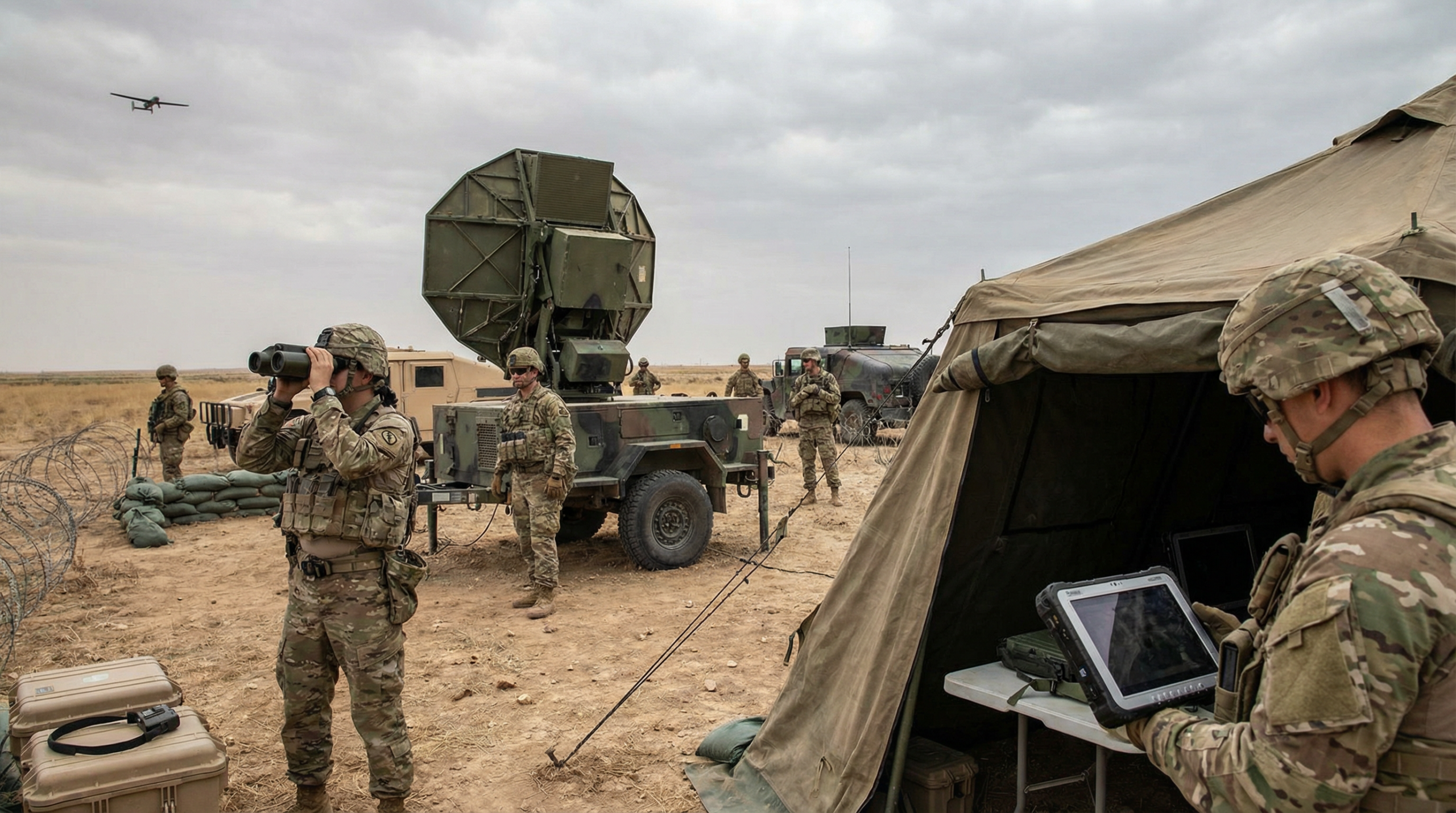
Successful counter-drone strategies require the integration of multiple technologies. First are precise detection systems, including radar, electro-optical/infrared sensors, and radio frequency listening devices, which can identify and track aerial targets. Second are diverse interception methods, such as electronic jamming, cyberattacks, directed energy weapons, and even traditional kinetic interceptors. These systems work collaboratively, forming a multi-layered defense network from long-range warning to close-range destruction, effectively addressing various drone threats. Future robotic warfare will rely more heavily on such intelligent, adaptive defense systems.
Conclusion
Counter-drone is an indispensable component of modern military domains, its importance fully demonstrated in current global conflicts. With advancements in artificial intelligence and automation technology, future robotic warfare will be more complex, demanding even higher counter-drone capabilities. Continuous research and development investment and international cooperation are key to addressing these challenges and ensuring national security.
FAQ
Question 1: What are the main technologies included in counter-drone?
Answer 1: Counter-drone technologies mainly include radar, electro-optical/infrared detection, radio frequency listening, electronic jamming, cyberattacks, directed energy weapons, and traditional kinetic interception.
Question 2: How has the Ukraine conflict influenced the understanding of counter-drone?
Answer 2: The Ukraine conflict demonstrated the proliferation and diverse uses of drones on the modern battlefield, highlighting the extreme importance of effective counter-drone in protecting military assets and personnel, accelerating the research, development, and deployment of related technologies.
References
- Defense One (https://www.defenseone.com/threats/2026/04/drones-ukraine-officer-robot-war/412597/)
