

Introduction
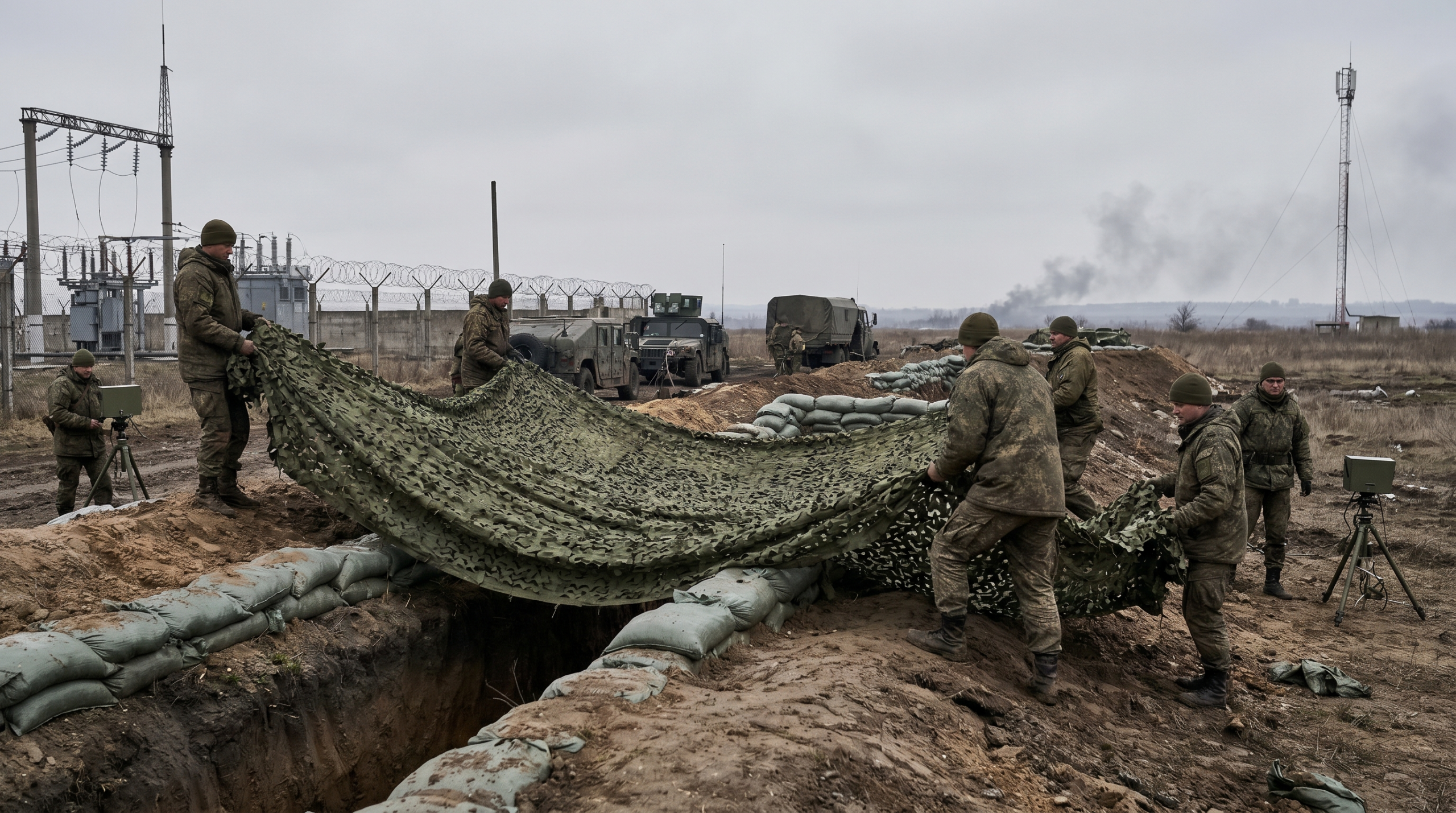
In modern conflicts, FPV drones are increasingly becoming a critical threat. Their precise strike capability poses a serious challenge to military targets. To effectively counter this threat, Ukrainian frontline forces have adopted an innovative strategy: deploying large drone defense nets. These defense nets are quickly erected before Russian drones arrive, becoming an important passive defense measure to protect critical infrastructure and personnel. This article will delve into the background, advantages, and application of this defense strategy in complex battlefield environments.
Escalating Threat: The Challenge of FPV Drones
FPV first person view drones have changed the face of modern warfare with their high maneuverability, cost-effectiveness, and precise strike capabilities. They can penetrate traditional air defense systems, causing damage to tanks, armored vehicles, and even bunkers. The challenge for frontline forces is how to effectively defend against these fast, small aerial threats without hindering their own operations. While traditional active defense systems are powerful, they may have limitations in terms of deployment flexibility and cost-effectiveness. Therefore, finding auxiliary, low-cost defense solutions has become an urgent priority.
Passive Defense: Deployment and Advantages of Drone Defense Nets
Drone defense nets, as a passive defense measure, are deployed to physically intercept incoming FPV drones. These defense nets are usually made of sturdy materials and can be erected quickly. Their main advantages include:
- High cost-effectiveness: Compared to complex electronic warfare systems or air defense missiles, defense nets have significantly lower manufacturing and maintenance costs.
- Flexible deployment: They can be quickly installed and dismantled as needed, adapting to dynamic battlefield environments.
- Physical interception: Capable of effectively entangling or obstructing drones, preventing them from reaching their targets or detonating.
- No electromagnetic interference: They do not generate electromagnetic signals, avoiding interference with friendly communications and electronic equipment.
The success of this strategy highlights the importance of innovative thinking in situations with limited budgets but severe threats. It provides valuable experience for other regions in addressing similar drone threats.
Conclusion
The deployment of drone defense nets is a pragmatic and effective strategy for the Ukrainian front to counter FPV drone threats. It not only provides much-needed protection but also demonstrates the ability to adapt and innovate in a rapidly evolving technological battlefield. As drone technology advances, a comprehensive strategy combining passive and active defense will become even more critical to ensure the safety of personnel and assets.
FAQ
Question 1: What type of drone threat do drone defense nets primarily target?
Answer 1: They primarily target small, fast, and destructive drone threats such as FPV drones.
Question 2: Besides defense nets, what are other common counter-drone strategies?
Answer 2: Common strategies include electronic jamming, laser weapons, traditional air defense systems, and more advanced AI recognition and interception systems.
References
- UNITED24 MEDIA (https://united24media.com/war-in-ukraine/30-kilometers-from-ukraines-front-nets-go-up-before-russian-drones-arrive-17726)
