

Introduction
In recent years, the rapid development of drone technology and its applications in military and non-military fields have brought new security challenges. To address this increasingly severe threat, the North Atlantic Treaty Organization NATO is actively deploying advanced Counter-UAV systems in member states. This article will explore NATO’s specific measures to strengthen its Counter-UAV capabilities in Romania and the profound impact of these deployments on the regional security landscape.
Threat Response and Technology Deployment
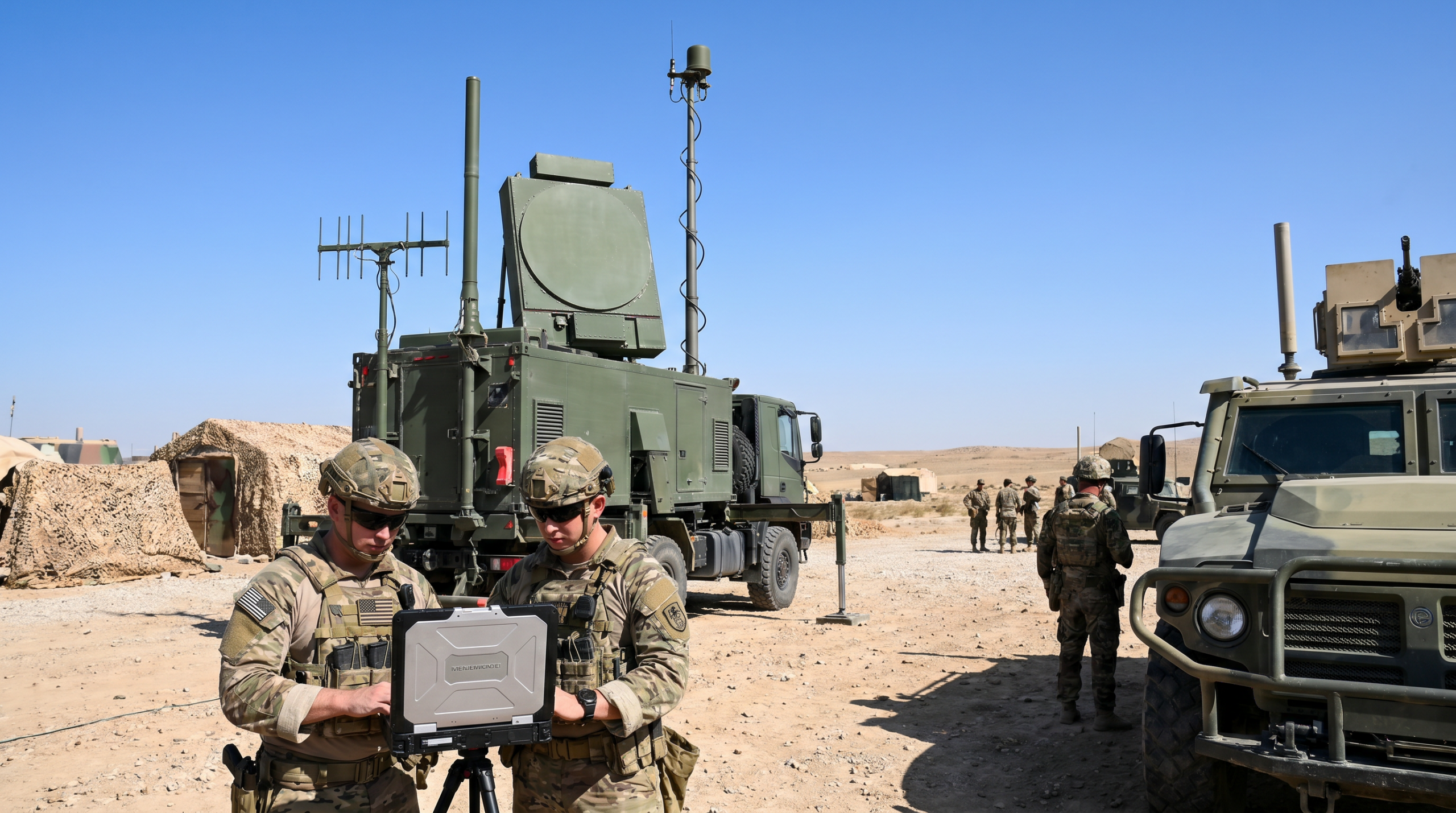
Drones, especially small and medium-sized ones, can be used for reconnaissance, surveillance, and even attacks, posing potential threats to military bases, critical infrastructure, and populated areas. NATO recognizes the need for a comprehensive Counter-UAV strategy. In Romania, NATO is introducing various high-tech systems, including radar detection, optical tracking, electronic jamming, and kinetic interception technologies. These systems aim to provide multi-layered defense, from long-range detection to close-range precise response.
Regional Security and Future Outlook
As a key member on NATO’s eastern flank, Romania’s enhanced Counter-UAV capabilities are crucial for the stability and security of the entire region. These deployments can not only effectively defend against potential drone attacks but also enhance NATO forces battlefield awareness and resilience. In the future, NATO will continue to invest in the research, development, and integration of Counter-UAV technology to adapt to the evolving threat environment and ensure the air security of its member states.
Conclusion
NATO’s efforts to strengthen Counter-UAV capabilities in Romania are a vital component of its response to modern warfare challenges. By deploying advanced technology and developing comprehensive strategies, NATO is committed to building a safer, more resilient defense system to effectively deter drone threats.
FAQ
Question 1: Why does NATO need to strengthen its Counter-UAV capabilities?
Answer 1: To address increasingly complex drone threats and protect critical facilities and military operations.
Question 2: What technologies are mainly included in Counter-UAV systems?
Answer 2: Primarily radar detection, optical tracking, electronic jamming, and kinetic interception technologies.
References
- Stripes News (https://www.stripes.com/theaters/europe/2026-05-05/nato-romania-drones-21580629.html)
