

Introduction
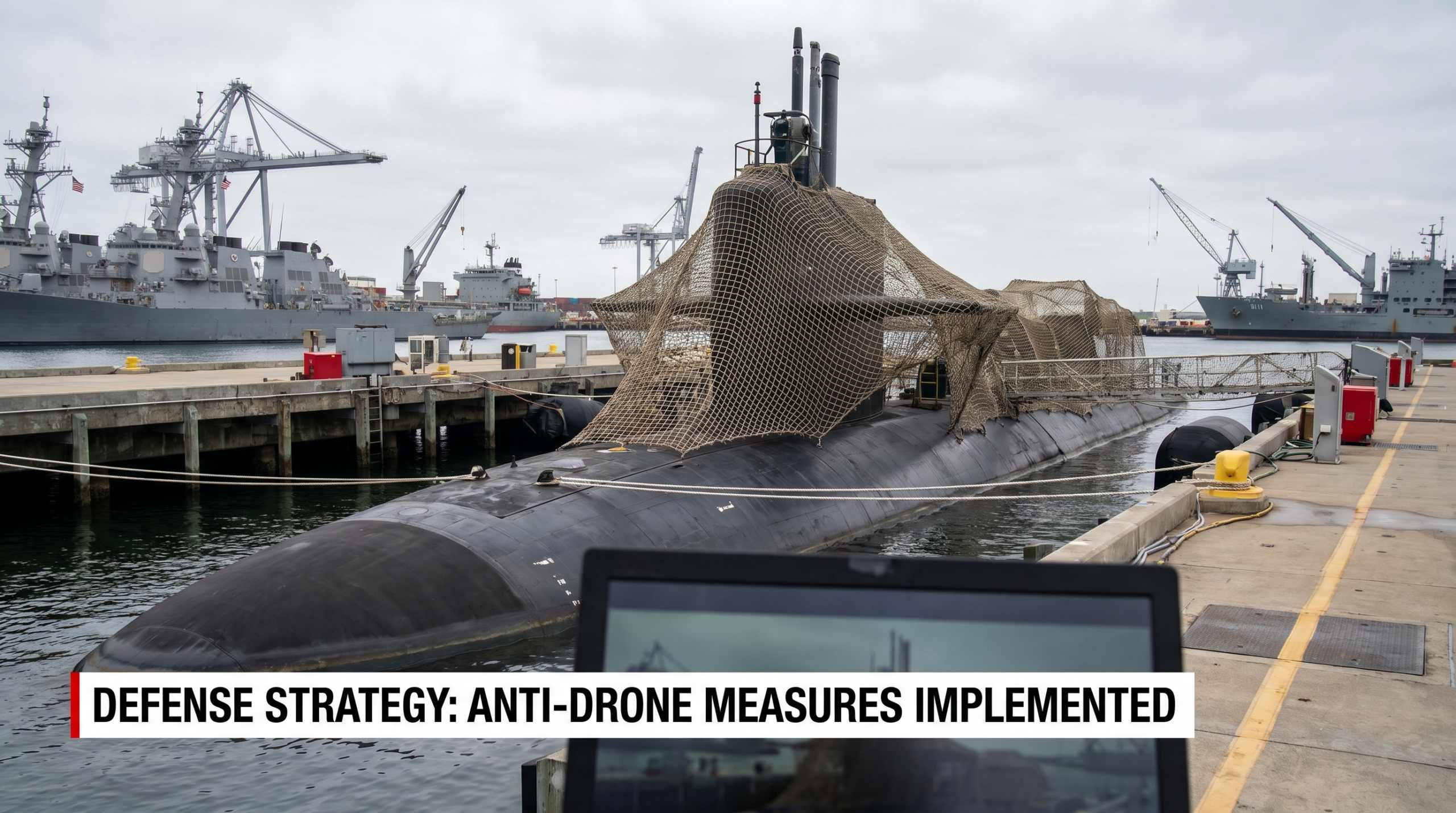
Russia recently deployed anti-drone nets on its nuclear-powered submarines. This measure responds to the increasing threat of drone attacks. Specifically, Ukrainian attacks on Russian naval facilities prompted Russia to re-evaluate and strengthen the defensive measures for its critical military assets. This strategic shift highlights the challenge drone technology poses to traditional military forces in modern warfare.
New Underwater Defense Strategy: Anti-drone nets Deployment
The deployment of anti-drone nets represents a practical defense solution against emerging threats. These nets are designed to physically intercept and entangle incoming drones, preventing them from approaching and damaging submarines. While submarines primarily operate underwater, they remain vulnerable to aerial drone attacks when in port or sailing on the surface. Installing these defensive structures is a crucial step in protecting high-value naval assets and ensuring their operational security.
Drone Threat and Future Naval Warfare
The development of drone technology has revolutionized the battlefield, with applications ranging from reconnaissance to direct attack becoming increasingly widespread. For naval forces, small, cost-effective drones can circumvent traditional defense systems, posing a serious threat to ships and port facilities. Russia adding anti-drone nets to its nuclear submarines not only reflects a swift response to current threats but also suggests that defending against drone attacks will become a standard strategy in future naval warfare. Navies worldwide may need to consider similar innovative defensive measures.
Conclusion
Russia adding anti-drone nets to its nuclear submarines clearly reflects military defense strategies adapting to an evolving threat landscape. This move not only enhances the security of high-value naval assets but also underscores the decisive role of drones in modern conflicts, forcing militaries to seek innovative ways to protect their critical infrastructure.
FAQ
Question 1: Why do nuclear submarines need anti-drone nets?
Answer 1: Although nuclear submarines primarily operate underwater, they are vulnerable to aerial drone attacks when docked in port or traveling on the surface. Anti-drone nets provide physical protection against such threats.
Question 2: How do anti-drone nets work?
Answer 2: Anti-drone nets are typically made of tough materials and deployed around submarines to create a physical barrier. When drones attempt to approach, they become entangled in the nets or are knocked down, preventing them from reaching their target.
References
- UA.NEWS (https://ua.news/en/war-vs-rf/rf-pochala-natiaguvati-antidronovi-sitki-na-atomni-pidvodni-chovni-pislia-atak-ukrayini)
