

Introduction
As modern warfare evolves, unmanned aerial vehicles UAVs, especially first-person view FPV drones, have become a significant battlefield threat. According to recent reports, the Israeli military is actively drawing on practical experience from the Ukrainian conflict, installing innovative anti-FPV Drone Def barriers on tanks and other heavy military equipment. This aims to effectively counter these emerging aerial threats and significantly enhance battlefield survivability. This move highlights the urgency and determination of global military forces to adapt to and counter the new paradigm of drone warfare.
FPV Drone Threat and Drone Def Challenges
FPV drones have demonstrated astonishing destructive power in modern conflicts due to their high maneuverability, cost-effectiveness, and precision strike capabilities. They can penetrate traditional air defense systems, inflicting significant losses on ground forces. These small, fast, and hard-to-detect aircraft pose new challenges to traditional armor protection and electronic warfare measures. Israel’s Drone Def strategy specifically addresses this unique threat, aiming to minimize the risk of FPV drones directly hitting targets through a combination of physical barriers and potentially other technologies, protecting critical military assets and personnel.
Israel’s Specific Drone Def Measures and Impact
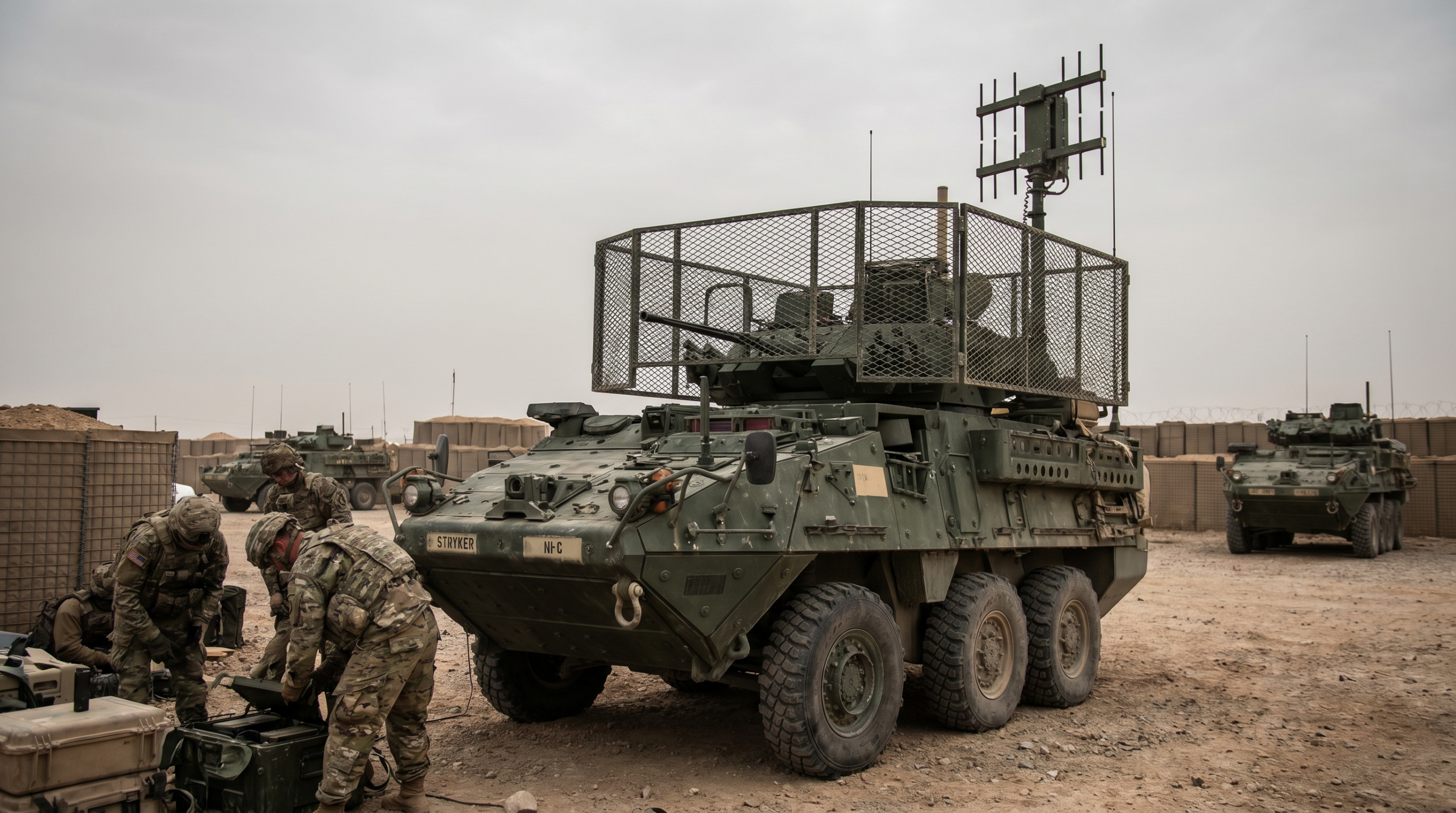
Israel’s deployed Drone Def barriers primarily consist of metal mesh or grid structures installed on top of equipment, commonly known as cage armor or slat armor. These barriers are designed to intercept or detonate FPV drones before they contact the main armor, thereby weakening their attack effect. Such physical Drone Def measures, though seemingly simple, have proven highly effective in defending against drone attacks on the Ukrainian battlefield. Israel’s practice is not only a direct response to existing threats but also indicates that future military equipment design and upgrades will increasingly consider comprehensive Drone Def requirements against drone attacks, driving innovation in the defense industry.
Conclusion
Israel’s deployment of anti-FPV Drone Def barriers, based on Ukrainian experience, is a microcosm of global military forces adapting to modern warfare challenges. It emphasizes the importance of continuous learning, rapid response, and technological innovation. Facing an increasingly complex battlefield environment, effective and multi-layered Drone Def strategies will become an indispensable capability for militaries worldwide to ensure their strategic advantage and personnel safety.
FAQ
Question 1: Why do FPV drones pose a unique threat to modern military equipment?
Answer 1: FPV drones possess high speed, maneuverability, low cost, and precision strike capabilities, allowing them to bypass traditional defenses and launch vertical or lateral attacks on armored vehicles and other targets, causing significant damage. There are many Drone Def methods.
Question 2: Besides physical barriers, what other Drone Def technologies exist?
Answer 2: In addition to physical barriers, Drone Def technologies include electronic warfare jamming systems, directed energy weapons, anti-drone guns, and advanced systems utilizing artificial intelligence for target identification and interception.
References
- UNN.ua (https://unn.ua/en/news/ukrainian-drone-warfare-experience-spreads-israel-installs-anti-fpv-screens-on-equipment)
