

Introduction
The Israel Defense Forces have adopted a new battlefield defense strategy in the conflict along the Lebanese border: deploying an anti-drone net. This move is clearly inspired by the successful experience of countering FPV drone threats in the Ukraine conflict, marking another evolution in modern warfare drone countermeasures. As FPV First Person View drones play an increasingly important role on the battlefield, traditional air defense systems face challenges, while physical interception solutions like anti-drone net offer cost-effective and flexible solutions.
The Rise of FPV Drone Threats and Countermeasures
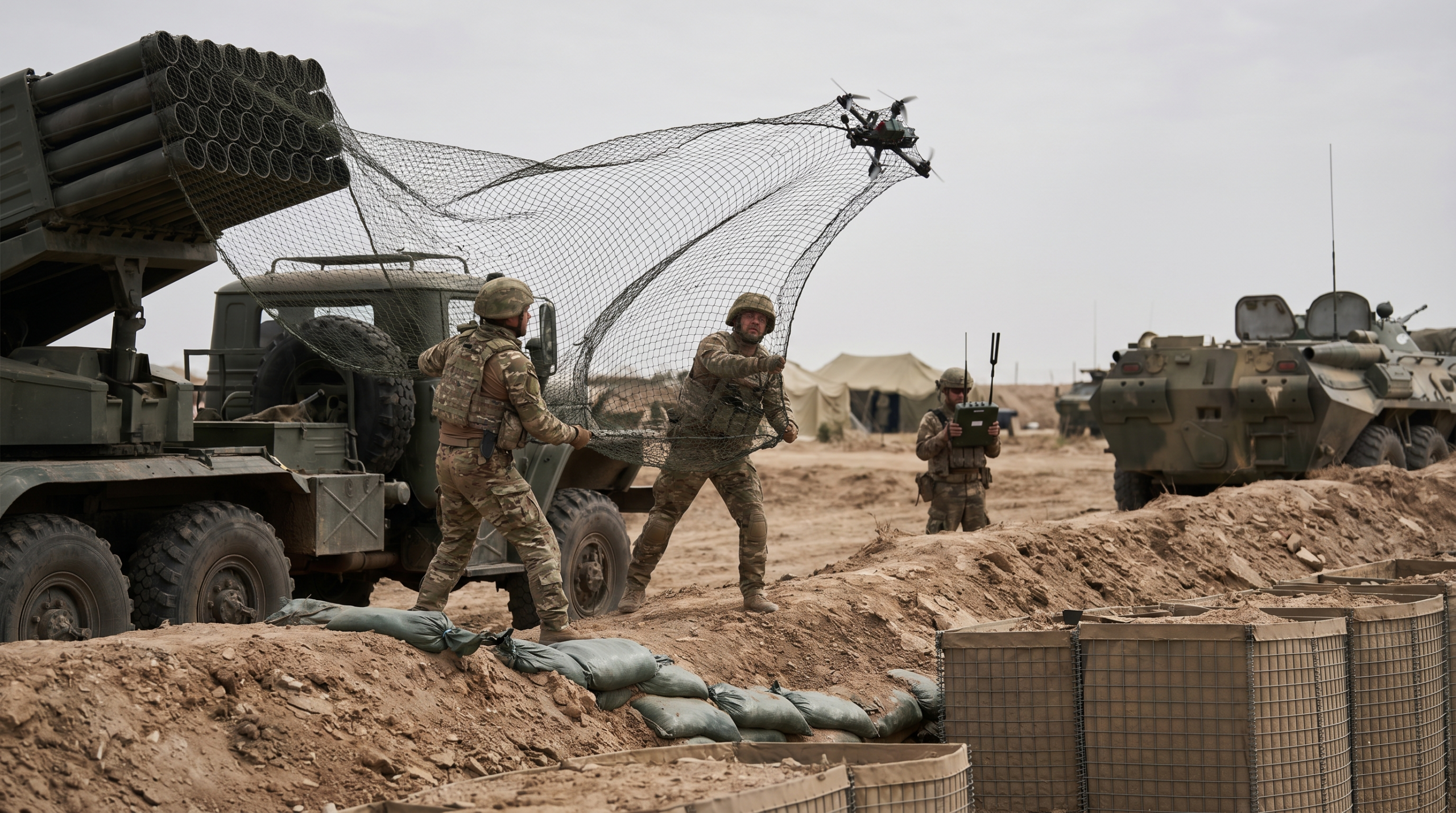
FPV drones, due to their strong maneuverability, low cost, and ability to carry explosives for precise strikes, have become a major threat on the modern battlefield. They can effectively bypass traditional air defense system detection and interception, causing serious damage to infantry and armored vehicles. The Ukrainian army extensively used FPV drones in its conflict with Russia and pioneered various countermeasures, including installing metal grilles or an anti-drone net on top of vehicles and positions. These physical barriers are designed to entangle drone propellers, causing them to lose power and crash, thereby stopping the drone before it reaches its target. Israels current deployment is a direct adoption of this mature and proven defensive method.
Israel Deployment Strategy and Technical Details
The Israel Defense Forces observed that Ukraine enhanced survivability by temporarily reinforcing vehicles and fixed positions when facing FPV drone attacks. This time, along the Lebanese border, Israels deployed anti-drone net is mainly for its military outposts and critical facilities. These nets are typically made of sturdy metal or synthetic fibers, capable of withstanding drone impacts and entangling their propellers. Compared to complex electronic warfare systems, the anti-drone net has the advantages of rapid deployment, simple maintenance, and immunity to electronic interference. It provides a low-tech but highly effective physical defense layer, complementing electronic jamming equipment to collectively build a multi-layered drone defense system. In the future, this defense concept may be further extended to other military domains.
Conclusion
Israels deployment of an anti-drone net along the Lebanese border highlights the universality of FPV drone threats and the rapid evolution of countermeasures. Drawing on Ukraines practical experience, this low-cost, efficient physical defense method is becoming an indispensable part of the modern battlefield, providing more effective protection for soldiers and equipment. As drone technology continues to advance, innovative defense solutions like the anti-drone net will continue to play a crucial role.
FAQ
Question 1: What is the FPV drone threat?
Answer 1: FPV drones are First Person View drones, where an operator controls the drone via a real-time video feed. They are fast, highly maneuverable, and often used for reconnaissance and carrying explosives for attacks, posing a serious threat to targets.
Question 2: How does an anti-drone net work?
Answer 2: An anti-drone net physically intercepts drones. When a drone hits the net, its propellers get entangled, causing it to lose power and crash, thereby protecting the target from attack.
References
- United24 Media(https://united24media.com/world/israel-adopts-ukraine-style-anti-fpv-drone-nets-during-fighting-in-lebanon-18333)
