

Introduction
With the rapid development of drone technology, its applications in commercial, entertainment, and military fields are increasingly widespread. However, accompanying security risks are gradually becoming prominent; the possibility of illegal intrusion, espionage, and even terrorist attacks poses severe challenges to national and public safety. Therefore, anti-drone technology has emerged as an indispensable part of modern security defense systems. This article will delve into the importance of anti-drone systems, their main technologies, and their future development.
Anti-drone Detection Technology
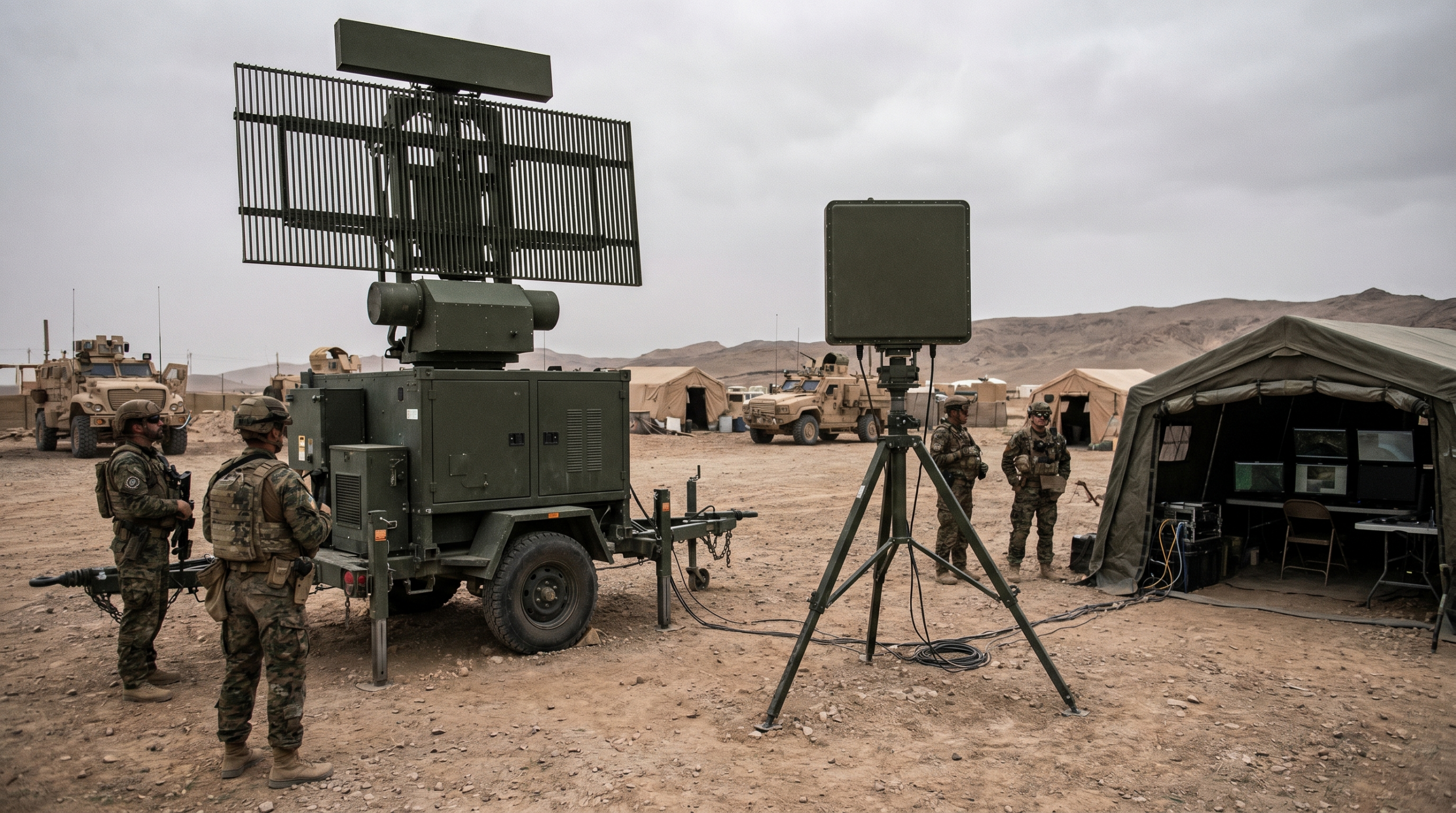
Effective anti-drone systems first require powerful detection capabilities. This typically involves the collaborative work of multiple sensors, including radar, electro-optical systems, and radio frequency identification (RFID) technology. Radar can detect the presence and flight trajectory of drones over long distances; electro-optical systems, such as high-definition cameras and thermal imagers, provide visual confirmation and target identification; while radio frequency identification monitors communication signals between the drone and its remote control to locate the target. The combination of these technologies significantly improves the accuracy of drone detection and response speed.
Anti-drone Countermeasure Strategies
Once a drone is successfully detected, the next step is to take countermeasures. Common countermeasure strategies include jamming, capture, and physical interception. Jamming technology transmits high-power radio frequency signals to sever communication or GPS signals between the drone and its operator, causing it to lose control or return to its origin. Capture technology uses net guns or specialized interceptor drones to apprehend the target. Physical interception usually refers to directly destroying the drone using lasers or kinetic weapons, but this method is generally restricted to specific high-risk scenarios. The choice of countermeasure depends on the nature of the threat, environmental conditions, and desired outcomes.
Conclusion
Anti-drone technology plays a crucial role in addressing the growing threat of drones. From advanced detection systems to diversified countermeasure strategies, these innovations are continuously enhancing our ability to protect critical infrastructure and sensitive areas. As drone technology continues to evolve, anti-drone systems will also constantly develop to meet future challenges and ensure safety and order in the airspace.
FAQ
Question 1: What are the main application areas of anti-drone systems?
Answer 1: Anti-drone systems are widely used in military bases, airports, important government facilities, nuclear power plants, large event venues, and border patrols, aiming to prevent illegal drone intrusions.
Question 2: Will anti-drone technology affect legal drone usage?
Answer 2: Legitimate anti-drone systems are designed to differentiate and target only unauthorized or threatening drones. Detailed risk assessments are conducted before deployment to minimize interference with legal drone flights.
References
- SOF News (https://sof.news/drones/20260430/)
