

Introduction
The conflict in Ukraine highlights the increasingly vital role of drones on the modern battlefield and the challenges they present. Ukraine has demonstrated significant drone defense capability in responding to numerous Russian drone attacks, effectively reducing the threat of enemy aerial reconnaissance and strikes. However, its defense system still faces severe tests against more complex ballistic and cruise missiles. This article will delve into Ukraine strategies and achievements in drone defense, and analyze the inherent difficulties of missile defense.
Analysis of Drone Defense Technologies
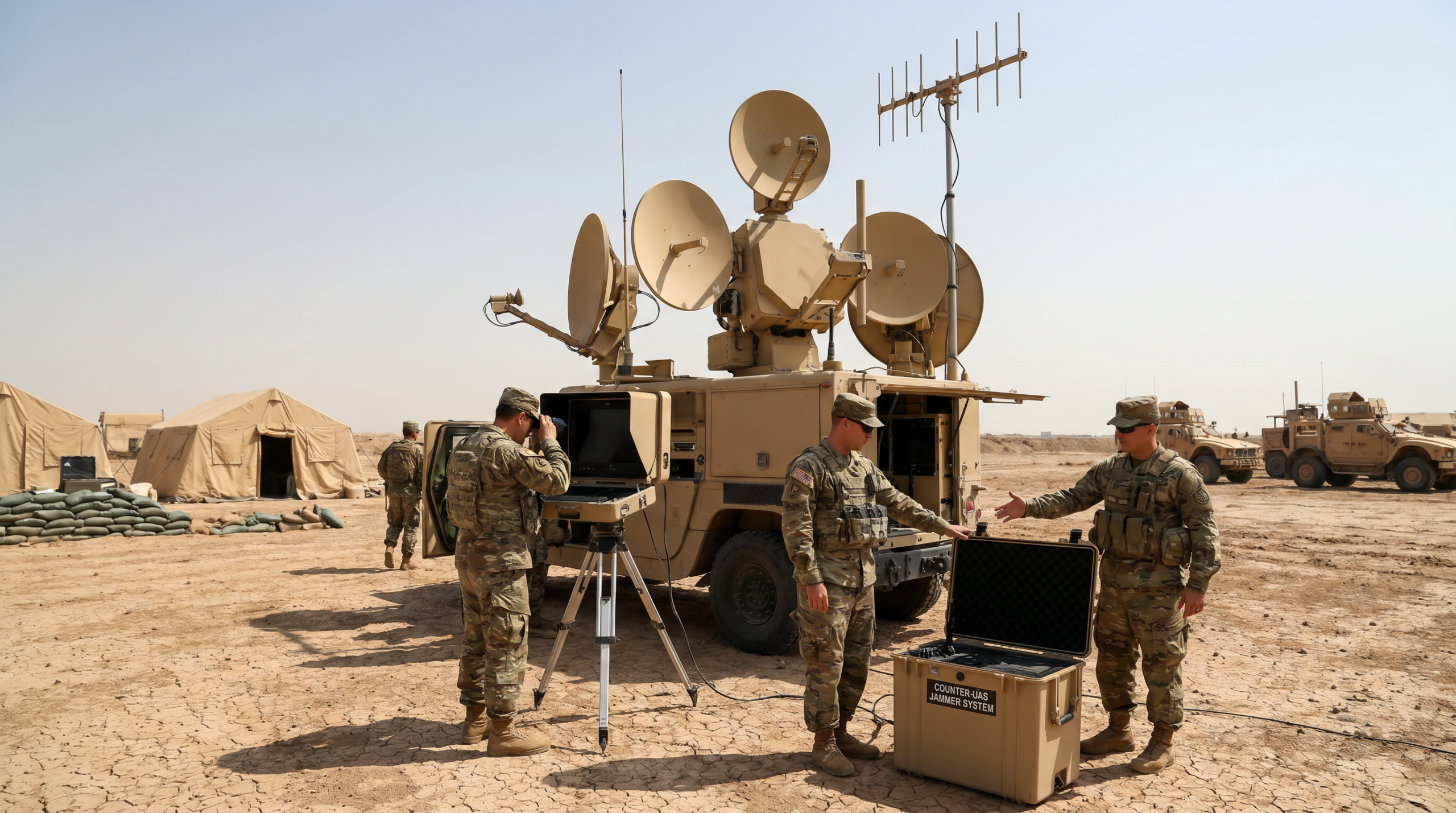
Ukraine success in drone defense is primarily due to the synergistic operation of a multi-layered defense system. This includes utilizing electronic warfare systems to interfere with drone navigation and communication, directly shooting down drones with man-portable air-defense systems and light weapons, and integrating civilian technologies such as modified shotguns. Advanced radar systems and optical sensors provide precise target indication for these defense efforts. This comprehensive approach to drone defense has enabled it to effectively counter saturation attacks from drones like the Iranian Shahed series, significantly improving survivability.
Complexity and Challenges of Missile Defense
Compared to drones, missiles, especially ballistic missiles and high-speed cruise missiles, pose fundamentally different challenges to defense systems. Missiles are extremely fast, fly at various altitudes, and often possess evasion capabilities. Intercepting these targets requires more powerful radar detection, faster reaction times, and more advanced interceptor missiles. Although Ukraine has received advanced air defense systems from Western aid, such as Patriot missiles, their limited numbers make it difficult to cover vast areas. Defending against missiles requires massive investment and technical barriers, far exceeding the resources needed for drone defense.
Conclusion
Ukraine has accumulated valuable experience in drone defense, and its multi-layered, flexible defense strategy is worth studying. However, the complexity of missile threats demands higher levels of technology and resource investment. In future battlefields, the combined threat of drones and missiles will continue to drive innovation and development in defense technology across nations, especially in efficient, economical drone defense solutions and advanced missile defense systems.
FAQ
Question 1: What are Ukraine main drone defense methods?
Answer 1: Ukraine primarily employs multi-layered drone defense methods including electronic warfare interference, man-portable air-defense systems, direct interception with light weapons, and integration of civilian technologies.
Question 2: Why are missiles more difficult to defend against than drones?
Answer 2: Defending against missiles is more difficult because missiles are faster, fly at diverse altitudes, possess strong evasion capabilities, and require more advanced radar, faster reaction times, and more expensive interceptor missiles.
References
- The Australian (https://www.theaustralian.com.au/news/latest-news/ukraine-can-down-russian-drones-en-masse-but-missiles-are-a-problem/news-story/247174a2e1a9880727ec5a4b09869f83)
