

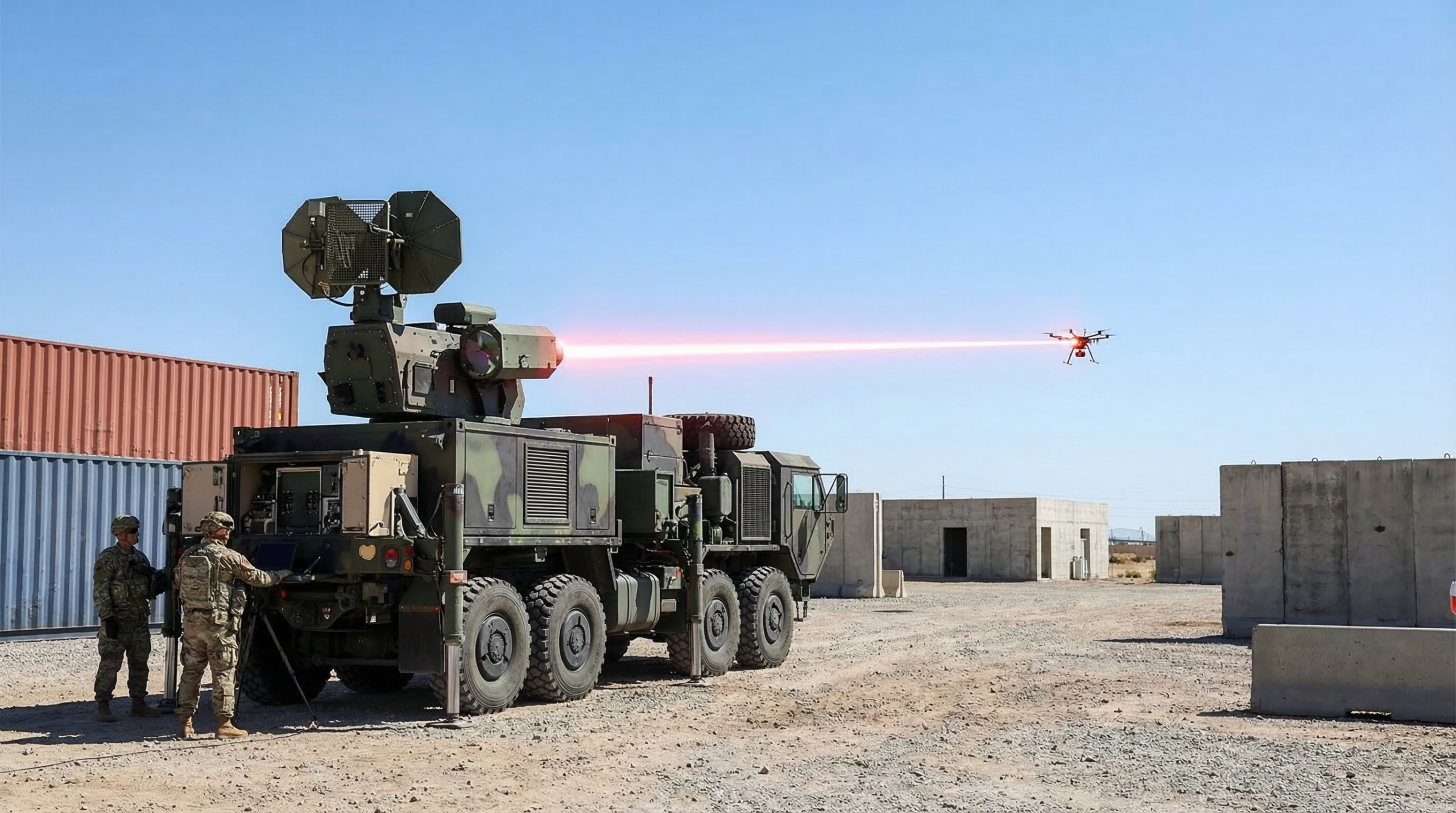
Laser Weapons: Key Technology Transforming Future Warfare
Introduction
As geopolitical tensions escalate and technology rapidly iterates, laser weapons are moving from science fiction to real battlefields. From Ukraine to the Middle East, laser systems have shown immense potential in modern conflicts, especially in addressing drone and missile threats. This article will deeply explore how laser weapons are reshaping defense strategies and offensive capabilities, and analyze their profound impact on future warfare models.
Principles of Operation and Unique Advantages of Laser Weapons
Laser weapons destroy or disable targets by emitting high-energy beams. Their core advantages include light-speed strike, extremely high precision, minimal collateral damage, and significantly lower cost per shot compared to traditional missiles. For instance, in counter-UAV missions, laser systems can quickly and accurately lock onto and burn incoming drones, providing defenders with a cost-effective and flexible response that significantly enhances battlefield survivability.
Future Outlook for Laser Counter-UAV and Missile Defense Applications
The prospects for laser weapons in counter-UAV and missile defense are vast. Countries like Israel have begun testing and deploying laser systems for intercepting small drones and mortar shells, demonstrating their capability to handle saturation attacks. When facing drone swarms or low-altitude cruise missiles, laser defense systems can provide multi-layered protection, effectively complementing or even surpassing the efficacy of traditional air defense methods. Iran and Russia are also actively developing related technologies, indicating that laser defense will become a critical component of future battlefields.
Conclusion
Laser weapons, as a disruptive technology, are profoundly altering military landscapes and strategic balances. Although they still face technical challenges such as power limitations, atmospheric attenuation, and energy supply, their unique operational advantages make them an indispensable part of future defense systems. As technology continues to mature, laser weapons will continue to drive military innovation, shaping more complex and efficient modern battlefields.
FAQ
Question 1: What are the main challenges for laser weapons?
*Answer 1: Key challenges include power limitations, the impact of atmospheric attenuation on their range and effectiveness, the demands of complex cooling systems, and the precision and persistence required for target tracking.
Question 2: Can laser weapons completely replace traditional armaments?
*Answer 2: Laser weapons are a powerful complement to existing defense systems, not a complete replacement. They excel in specific tasks, but traditional weapons remain indispensable in certain scenarios; both will coexist and cooperate in the long term.
References
- Radio Free Europe/Radio Liberty(https://www.rferl.org/a/iran-ukraine-russia-israel-laser-weapons-future-war/33696183.html)
