

Addressing the Threat: Why Counter-UAV Systems Are a New Defense Focus
Introduction
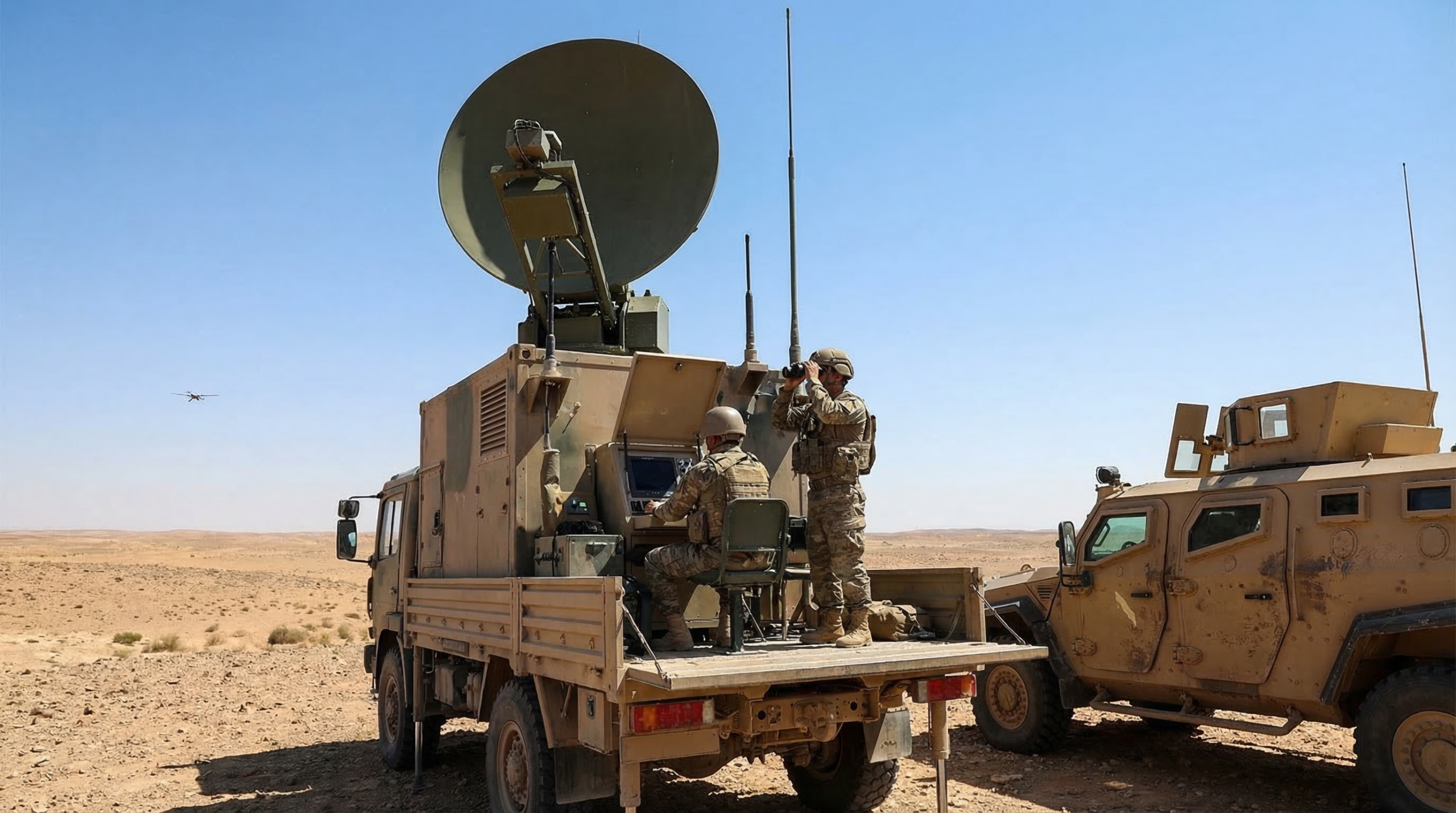
The threat from small unmanned aerial vehicles (UAVs) is increasingly prominent in modern battlefields and civilian airspace. From reconnaissance to attack, these low-cost aircraft pose immense pressure on traditional air defense systems, especially expensive missiles like Patriot. Facing strained Patriot missile stocks, Gulf states and the US Pentagon are turning their attention to more cost-effective solutions: Ukraine mature Counter-UAV systems. With their flexibility and specialized design, these systems are becoming key to filling defense gaps.
Limitations of Traditional Air Defense Systems
Large surface-to-air missile systems like the Patriot were originally designed to intercept high-value targets such as fighter jets and cruise missiles. However, their high cost makes it uneconomical to use a Patriot missile to shoot down a commercial drone worth a few thousand dollars. Coupled with the complexity of production and replenishment, their stocks are rapidly depleted during high-intensity conflicts, making it difficult to meet the demand for large-scale threats from low-altitude small UAVs.
The Rise of Ukrainian Counter-UAV Systems
In the Ukrainian conflict, facing Russia widespread use of various drones, the Ukrainian military has developed and deployed a variety of innovative Counter-UAV systems. These systems typically combine electronic warfare jamming, directed energy weapons, or specialized interceptor munitions, aiming to efficiently and economically neutralize small drones. Their battlefield-proven effectiveness has attracted international attention, including from the US and Gulf states, and is seen as a viable option to alleviate pressure on traditional air defense systems.
Conclusion
As drone technology continues to evolve, the security challenges it poses will only increase. The rise of Counter-UAV systems signifies a shift in air defense strategy towards more flexible and cost-effective approaches. This emerging defensive method is crucial for protecting critical infrastructure and military assets and will play an increasingly important role in future defense architectures.
FAQ
Question 1: What are the main types of Counter-UAV systems?
*Answer 1: Main types include electronic warfare jamming systems, kinetic interception systems such as nets or projectiles, directed energy weapons such as lasers, and integrated systems combining multiple technologies. *
Question 2: Why are traditional air defense systems unsuitable for intercepting small drones?
*Answer 2: Traditional air defense systems like Patriot missiles are expensive and primarily designed for large, high-speed targets. Using them to intercept low-cost small drones is economically inefficient and can quickly deplete valuable stocks. *
References
- Quwa.org (https://quwa.org/middle-east-military-news/pentagon-and-gulf-states-turn-to-ukraines-2500-drone-interceptors-as-patriot-stocks-get-strained/)
