

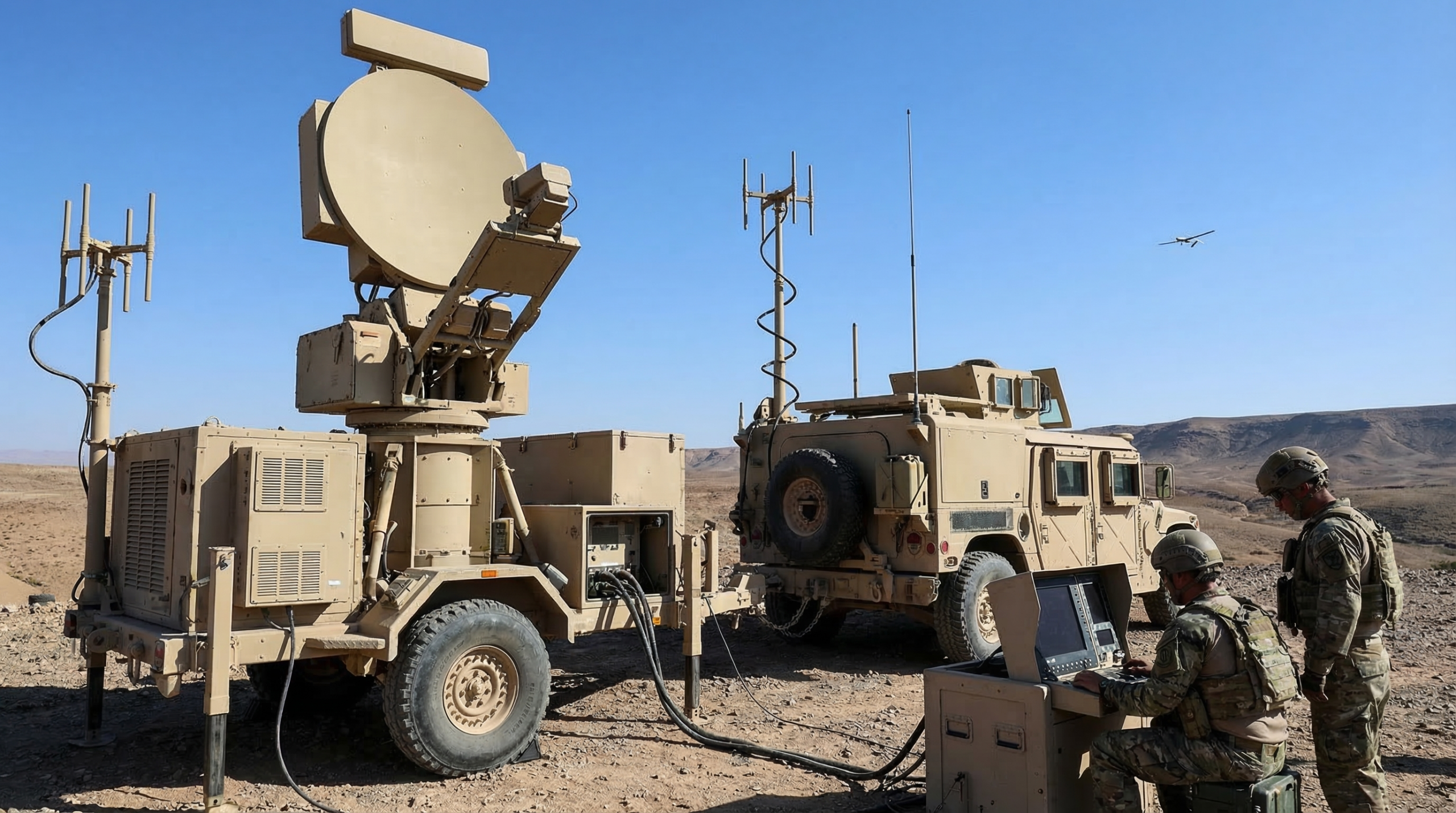
Countering Threats: The Role of Counter-UAV Systems in Modern Conflicts
Introduction
The widespread use of Iranian drones in conflict zones has recently posed severe challenges to the security of countries like Ukraine. The Pentagon is actively evaluating the provision of advanced drone interceptors to Ukraine to effectively counter these aerial threats. This move highlights the critical importance of counter-UAV systems in modern warfare, as they not only protect vital infrastructure but also save lives. This article will delve into the development of counter-UAV technology and its significance in the current geopolitical landscape.
The Evolution and Urgency of Drone Threats
UAVs, particularly the lower-cost and easily deployable Iranian-made drones, have become powerful tools in asymmetric warfare. They are used for reconnaissance, targeting, and even direct attacks, challenging traditional air defense systems. The experience from the Ukrainian front lines demonstrates that effective counter-UAV systems are crucial for diminishing adversary air superiority. These systems need to be capable of detecting, tracking, and neutralizing drones of various sizes and flight patterns.
Technical Principles and Challenges of Drone Interceptors
Modern drone interceptors employ various technical means, including radio frequency interference, network hijacking, laser weapons, and kinetic interception. Each method has its advantages and limitations. For example, RF jammers can cut off communication between a drone and its operator, causing it to lose control; while laser systems can directly burn down drones. However, when dealing with small, low-altitude swarms of drones, or in complex urban environments, counter-UAV systems still face multiple challenges such as detection range, reaction speed, and avoiding collateral damage. Continuous technological innovation is key to enhancing their effectiveness.
Conclusion
As drone technology continues to advance, the importance of counter-UAV systems will only increase. The Pentagon’s consideration of providing drone interceptors to Ukraine is not only a direct response to current threats but also foreshadows the evolving direction of future military defense strategies. Countries must continue to invest in the research and development of more advanced, adaptive counter-UAV solutions to ensure national security and regional stability.
FAQ
Question 1: What are the main types of counter-UAV systems?
Answer 1: Main types include radio frequency jammers, GPS spoofers, laser weapons, kinetic interception systems, and physical capture systems based on net guns or drones.
Question 2: Why is the Pentagon considering providing drone interceptors to Ukraine?
Answer 2: This is to help Ukraine effectively counter the growing threat posed by Iranian drones in the conflict and enhance its air defense capabilities.
References
- TVP World (https://tvpworld.com/91926591/pentagon-weighs-ukrainian-drone-interceptors-to-counter-iranian-uavs)
