

Introduction
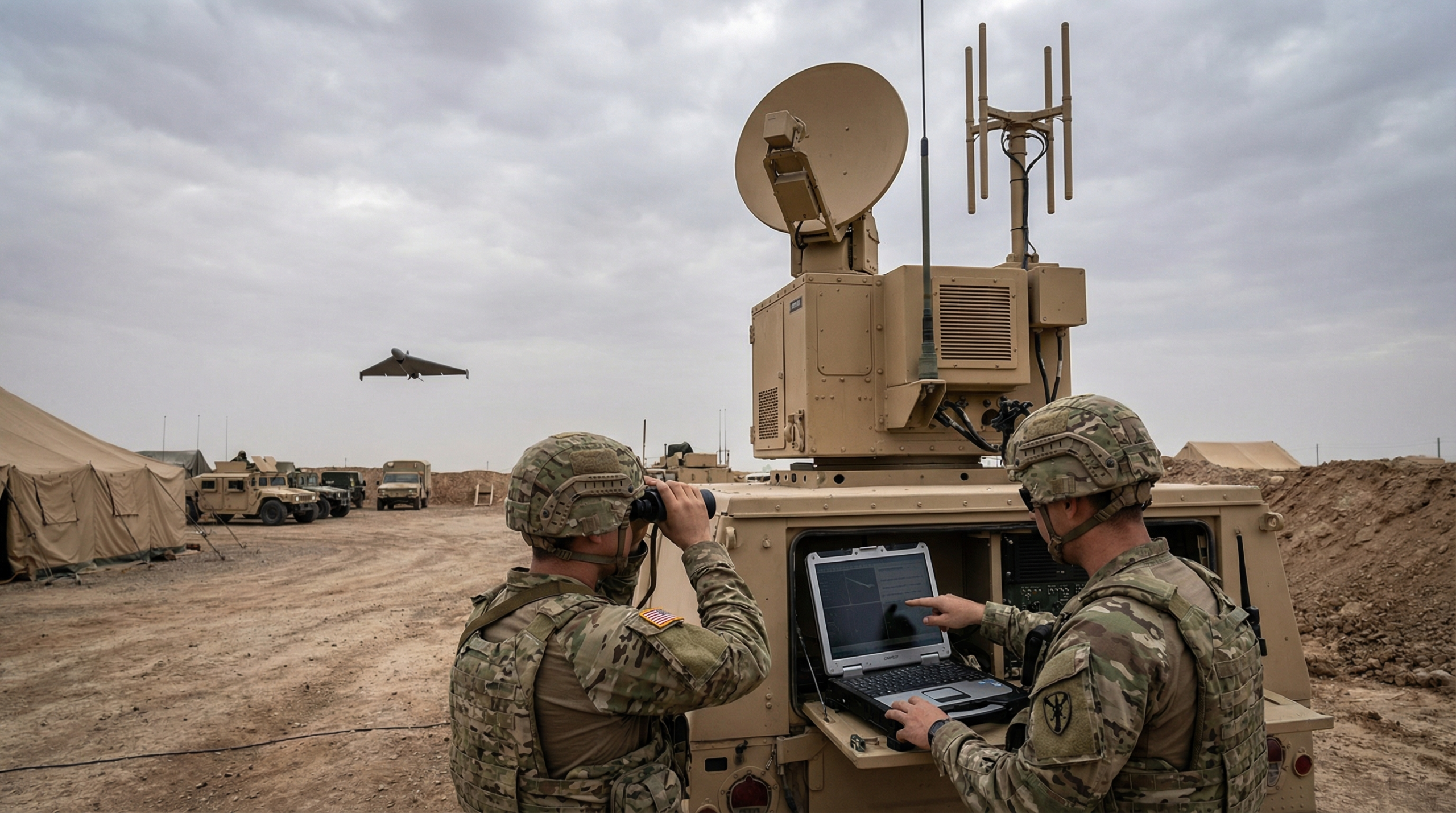
In recent years, drone technology has rapidly advanced, expanding its application scope while simultaneously presenting unprecedented security challenges. Particularly in the Ukraine conflict, the widespread use of Iran’s Shahed series drones highlights the urgency of effective Counter-UAS systems. The US Department of Defense Counter-UAS Task Force (C-UAS TF) is actively evaluating and deploying new defense strategies to counter these evolving aerial threats. Their work is critical for protecting vital infrastructure and frontline forces.
Growing Drone Threats Challenge
Shahed drones, especially the Shahed-136 kamikaze drone, pose a serious threat on the modern battlefield due to their low cost and high destructive potential. These drones can attack in swarms, bypassing traditional air defense systems and causing widespread damage to military targets and civilian infrastructure. Ukraine’s experience demonstrates that existing defensive measures require continuous upgrades and innovation to effectively intercept these constantly improving threats. The DoD Counter-UAS Task Force is closely studying the tactics of these drones and seeking to develop more adaptive and resilient Counter-UAS systems solutions.
DoD Counter-UAS System Response Strategies
The US Department of Defense Counter-UAS Task Force is adopting a multi-faceted approach to address the Shahed drone threat. This includes:
- Technology Evaluation and Deployment: Continuously assessing and accelerating the deployment of new counter-drone technologies, such as advanced radar detection systems, electronic warfare jamming equipment, and directed energy weapons.
- Operational Concept Development: Formulating new tactics and operational procedures to optimize the performance of Counter-UAS systems in various operational environments, including urban, open, and coastal areas.
- International Cooperation: Sharing intelligence, best practices, and technology with allies and partner nations to collectively build a global counter-drone defense network. Deployment experiences in Ukraine, in particular, provide valuable data for future system upgrades.
- Training and Exercises: Enhancing operator training to ensure proficiency in utilizing various counter-drone equipment and validating their effectiveness through practical exercises.
These efforts aim to establish a layered defense system capable of comprehensively combating drone threats, from detection and identification to interception.
Conclusion
The work of the US Department of Defense Counter-UAS Task Force is vital to ensuring that US forces and their allies maintain an advantage against increasingly complex drone threats. Through continuous technological innovation, strategic deployment, and international cooperation, it will be possible to more effectively counter low-cost, high-threat weapons like the Shahed drone in the future. The effective deployment of Counter-UAS systems is an indispensable part of maintaining global security and stability.
FAQ
Question 1: What is the primary objective of the DoD Counter-UAS Systems Task Force?
Answer 1: Its primary objective is to evaluate, develop, and deploy effective technologies and strategies to protect the United States and its allies from growing drone threats, especially offensive drones like the Shahed series.
Question 2: Why do Shahed drones pose a significant threat?
Answer 2: Shahed drones are known for their low cost, relatively simple construction, and attack capabilities. They can be used in large numbers, challenging traditional air defense systems and causing damage to a wide range of targets.
References
- Defense Scoop (https://defensescoop.com/2026/03/05/dod-counter-uas-task-force-ukraine-iran-shahed-drones/)
