

Introduction
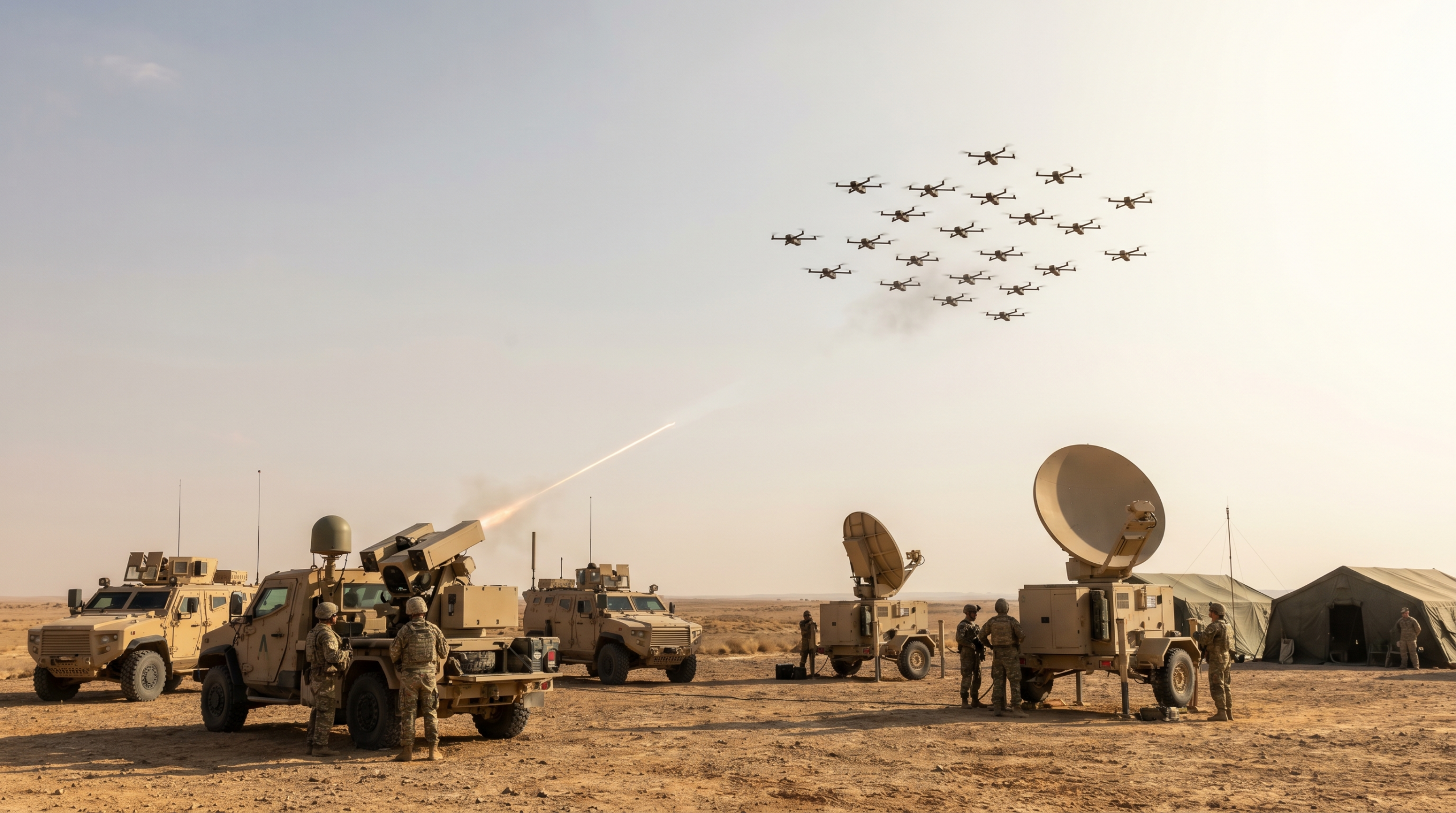
Recently, the Pentagon conducted Ukraine-style drone attack tests in Florida, clearly revealing potential vulnerabilities in the US defense system in responding to such emerging threats. This test not only simulated increasingly complex aerial attack forms on modern battlefields but also provided valuable data and profound insights for the formulation of future UAV defense strategies. Facing small, low-cost, and numerous drone swarms, traditional defense methods are encountering unprecedented challenges.
Evolution of Drone Swarm Threat
The widespread application of drone swarms in the Ukraine conflict and their disruptive impact on traditional military operations have prompted countries to re-evaluate their aerial defense capabilities. These drone swarms can break through existing defenses with saturation attacks, posing serious threats to military facilities, critical infrastructure, and even combat personnel. Their low-cost, expendable nature makes them an effective tool for asymmetric warfare.
Current Challenges in US Defense Systems
The Florida test exposed US shortcomings in identifying, tracking, and intercepting large-scale low-altitude slow-moving drone swarms. Existing radar systems and air defense missiles are primarily designed for large, high-speed targets, and their detection efficiency and interception success rate are not ideal for numerous small drone swarms. The integration of soft-kill methods such as electronic warfare jamming and cyberattacks also needs improvement to achieve multi-layered UAV defense.
Response Strategies and Future Development
In response to these challenges, the US Department of Defense is actively exploring various solutions, including the development of advanced AI-driven identification systems, directed energy weapons such as lasers and microwave weapons, and smarter collaborative counter-UAS systems. Furthermore, strengthening technological cooperation with allies and sharing battlefield experience will also be key to enhancing overall defensive capabilities. Future UAV defense will be a comprehensive, multi-dimensional defense system integrating hardware, software, and tactical innovation.
Conclusion
The drone attack test in Florida serves as a wake-up call, highlighting the gap between current defense technology and modern warfare threats. By addressing these vulnerabilities and actively investing in research and development, the US and its allies can build a more robust UAV defense system, ensuring an advantage on future battlefields.
FAQ
Question 1: Why are drone swarm attacks difficult to defend against?
*Answer 1: Drone swarms are usually large in number, low-cost, small in size, and vary in speed and altitude, making it difficult for traditional air defense systems to effectively identify and intercept all targets. *
Question 2: How is the US addressing these defense vulnerabilities?
*Answer 2: The US is investing in AI identification, directed energy weapons, advanced electronic warfare systems, and multi-layered integrated counter-UAS solutions to enhance its UAV defense capabilities. *
References
- Source Name (https://united24media.com/latest-news/pentagon-tests-ukraine-style-drone-swarm-attack-in-florida-exposing-gaps-in-us-defenses-18223)
