

Introduction
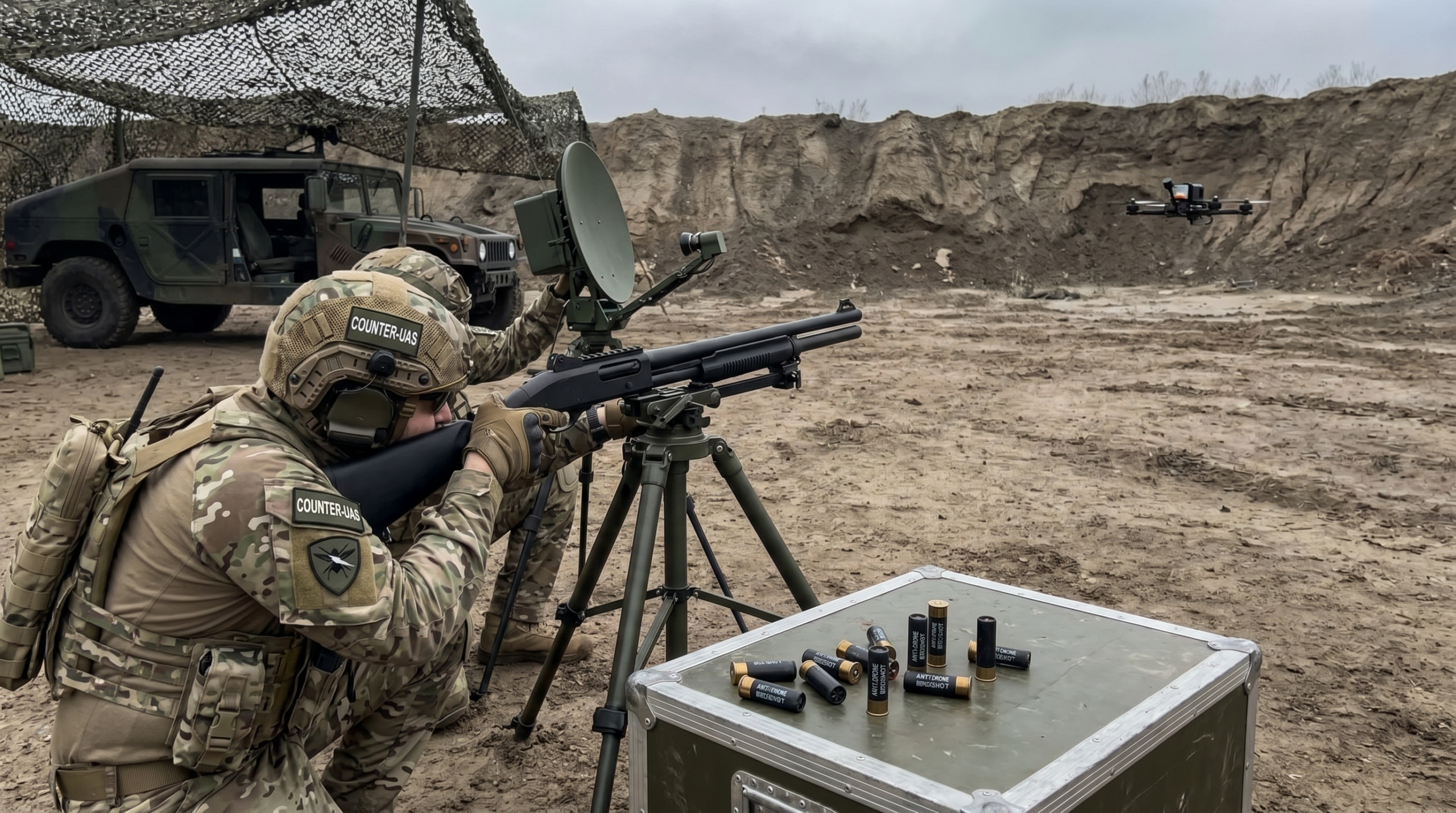
In recent years, the escalating role of FPV drones in modern conflicts has prompted militaries worldwide to actively seek innovative countermeasures. Russia is reportedly developing a new type of blinding shotgun ammunition specifically designed to counter these agile and lethal FPV drones. The emergence of this anti-drone ammunition marks a potentially significant advance in the field of drone counter-technology. Its core concept is to disable drones by interfering with their optical sensors, rather than traditional physical destruction.
How Blinding Ammunition Works
This new anti-drone ammunition reportedly operates by releasing high-intensity light or chemicals that can interfere with or completely disrupt a drones visual system. When this ammunition is fired and hits the target area, it creates a wide-area interference field, making it difficult for FPV drones to navigate, aim, or transmit clear video signals. Unlike explosives or armor-piercing rounds, blinding ammunition aims to non-lethally disable drones, thereby reducing collateral damage and potentially allowing for drone recovery for intelligence analysis. The effectiveness of this method depends on the intensity of the light beam or chemicals, their distribution range, and the sensitivity of the drone sensors.
FPV Drone Challenges and Defense Strategies
FPV drones pose a formidable challenge to traditional defense systems due to their cost-effectiveness, high maneuverability, and precise strike capabilities. They can navigate tight spaces and carry small yet destructive payloads, making them ideal for reconnaissance and attack missions. Traditional anti-drone measures, such as electronic jamming or missile systems, are sometimes difficult to effectively counter due to their high cost or slow reaction speed. Blinding shotgun anti-drone ammunition offers a new dimension of defense, especially against close-range, low-flying FPV drone swarms. This approach can complement existing anti-drone defense systems, forming a multi-layered protection network.
Conclusion
As drone technology continues to evolve, so too does anti-drone technology. The blinding shotgun anti-drone ammunition reportedly developed by Russia represents an innovative response to the FPV drone threat. While specific details still require further confirmation, the technical concept highlights the importance of non-kinetic countermeasures on future battlefields. The successful development and deployment of this ammunition could potentially alter FPV drone usage strategies and their influence in conflicts.
FAQ
Question 1: How does blinding ammunition affect drones?
*Answer 1: Blinding ammunition interferes with or disrupts a drones optical sensors and visual systems by releasing high-intensity light or chemicals, preventing it from navigating and operating normally. *
Question 2: What are the advantages of this ammunition over traditional anti-drone methods?
*Answer 2: The main advantage is its non-lethal nature, which reduces collateral damage and potentially allows for drone recovery. It may also be superior to some traditional systems in terms of cost and reaction speed, especially when dealing with close-range FPV drones. *
References
- United24 Media (https://united24media.com/war-in-ukraine/russian-forces-reportedly-developing-blinding-shotgun-ammunition-to-counter-fpv-drones-video-18379)
