

Introduction
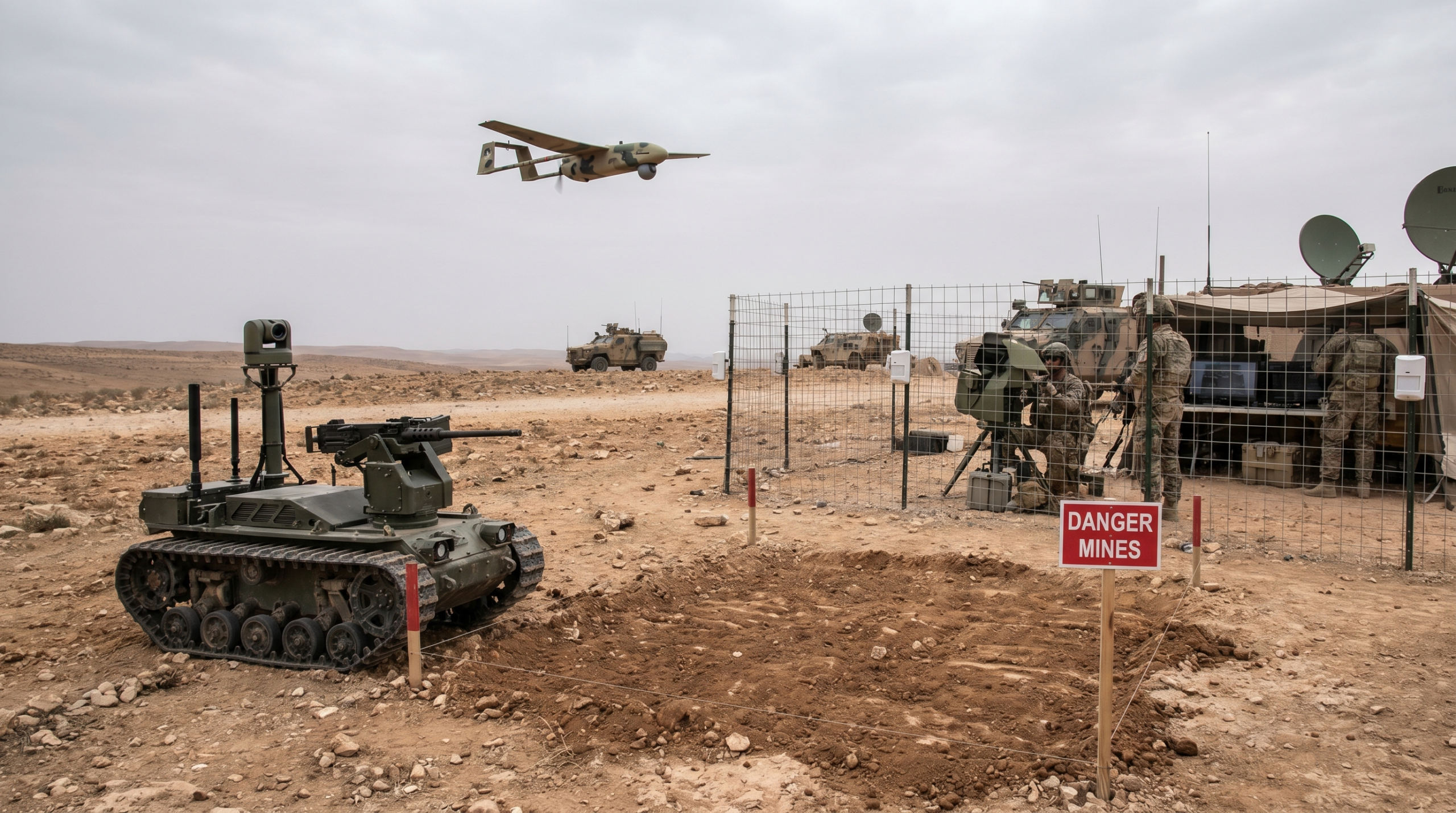
When discussing modern battlefield defense, an increasingly important concept is the Kill Zone. This is not merely a geographical area but a highly integrated defensive system designed to effectively deter or eliminate enemy forces through multi-dimensional strike capabilities. In the Ukrainian conflict, the Kill Zone has emerged as an innovative and highly effective tactic. It cleverly integrates drones, smart mines, and ground robots to build an automated, multi-layered network for reconnaissance, target identification, and engagement. This strategy maximizes defensive efficiency and significantly reduces risks for front-line personnel, profoundly changing the face of modern warfare.
The Role of Drones in the Kill Zone
Drones serve as the eyes and ears of the Kill Zone system, as well as one of its primary strike forces. Small reconnaissance drones continuously patrol, providing real-time battlefield situational awareness, identifying enemy movements and deployments. Once a target is spotted, they can immediately transmit data to a command center or directly guide attacks. More advanced attack drones can carry precision-guided munitions to deliver rapid and lethal strikes against targets entering the Kill Zone. Coordinated operations by drone swarms enable the Kill Zone to dynamically adapt and respond quickly, effectively intercepting targets whether they are infantry, light vehicles, or heavy armor.
Coordinated Deployment of Mines and Robots
In traditional defense systems, landmines are typically static hazards. However, in the modern Kill Zone, smart mines and ground robots achieve dynamic coordination. Smart mines can distinguish between friendly and enemy forces and can even be programmed to identify specific types of targets, activating only when preset conditions are met. This greatly reduces the risk of accidental casualties. Ground robots play multiple roles: they can deploy, retrieve, or reposition mines, conduct reconnaissance, and even directly participate in attacks. For example, some weaponized robots can carry out secondary strikes against enemy targets trapped by minefields, guided by drones. This integrated air-ground, intelligent deployment makes the Kill Zone not just a regional threat but a complex system with active defense and precision strike capabilities.
Conclusion
The Kill Zone on the Ukrainian battlefield is a prime example of modern military technology integration, demonstrating the immense potential of drones, smart mines, and ground robots in defensive operations. This multi-dimensional, highly automated defense strategy not only enhances operational efficiency but also provides valuable experience for future battlefield design. As technology continues to advance, the Kill Zone will become even more intelligent and lethal, profoundly impacting traditional military tactics and heralding a new era of technology-centric defense.
FAQ
Question 1: How is a Kill Zone defined?
*Answer 1: A Kill Zone is a military defense concept referring to a predefined, highly integrated area that uses various automated and remote-controlled technologies (such as drones, smart mines, and robots) to detect, identify, and eliminate enemy targets entering that area.
Question 2: What challenges does Kill Zone technology face?
*Answer 2: Key challenges include ensuring interoperability between systems, preventing friendly fire, countering enemy electronic warfare interference, and maintaining system reliability and continuous power supply in complex and dynamic environments.
References
- United24 Media (https://united24media.com/war-in-ukraine/drones-mines-and-robots-what-is-ukraines-kill-zone-and-how-does-it-work-17858)
