

Introduction
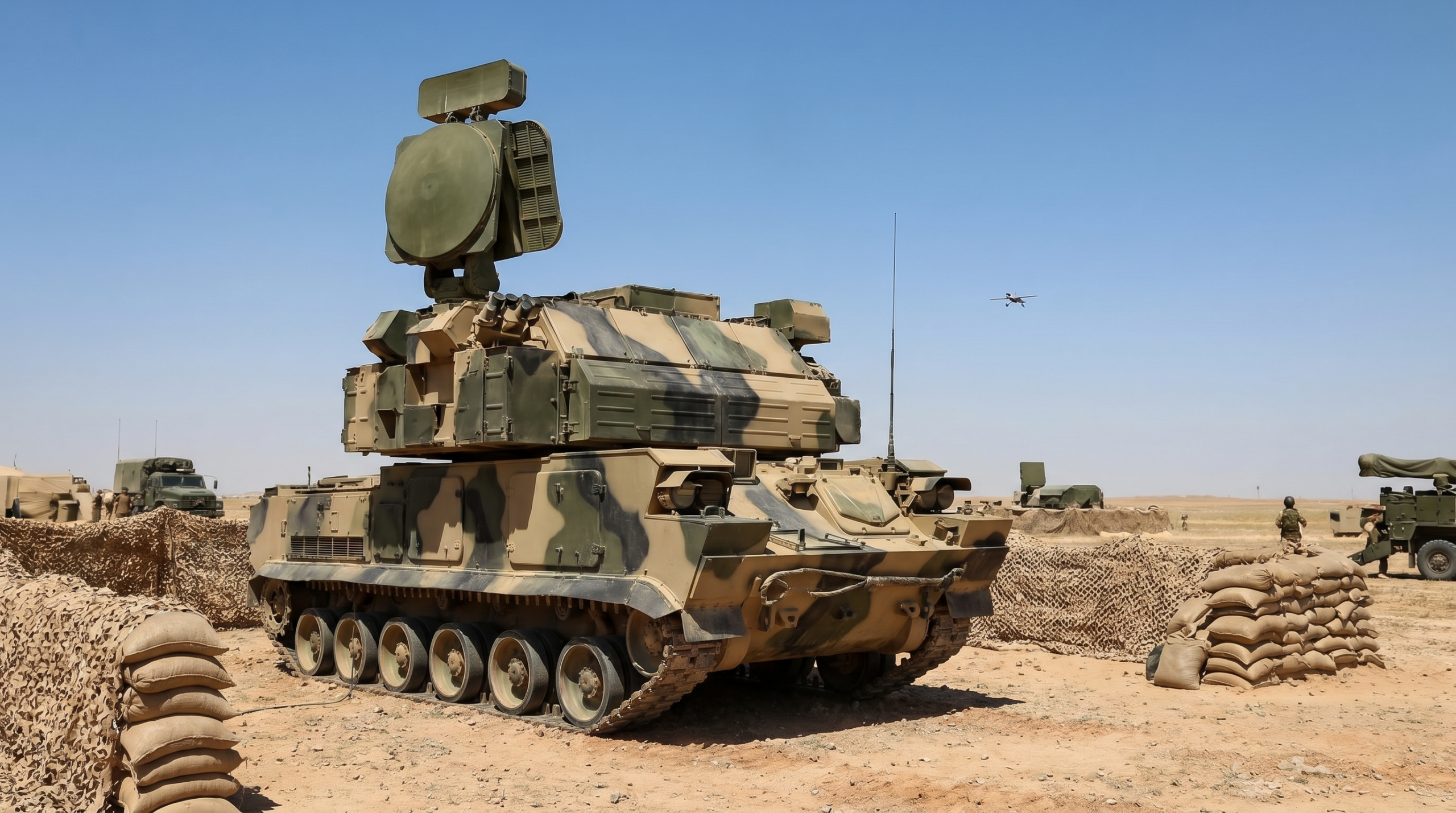
Facing the growing threat of drones on the modern battlefield, Russia is upgrading its Tor air defense system with the addition of anti-drone shields. This move comes after significant losses and aims to enhance its capability against small, low-altitude drones. This article will delve into the technical details, potential effectiveness, and challenges this new defensive measure might face in real combat.
Anti-Drone Shield: Technical Principles and Challenges
The so-called anti-drone shield typically refers to electronic warfare systems capable of interfering with or deceiving drone navigation and communication. These systems disrupt the connection between drones and operators or destabilize their GPS positioning by emitting radio signals, thereby forcing drones to crash or deviate from their course. However, such shields also face numerous challenges, for example, countering advanced drones with autonomous flight capabilities or frequency-hopping communication. Furthermore, in complex electromagnetic environments, the effectiveness of electronic warfare systems may be limited, making it difficult to fully cover all threats.
Tor Air Defense System: Battlefield Effectiveness Analysis
The Tor air defense system, as a short-range air defense missile system, was originally designed to intercept aircraft, helicopters, cruise missiles, and precision-guided munitions. The newly added anti-drone shield aims to compensate for its shortcomings in dealing with small, inexpensive, and numerous drone swarms. Theoretically, this combination can provide an additional soft-kill layer for Tor air defense, allowing it to interfere with drones before missile interception. However, actual combat effectiveness will depend on the completeness of system integration, the training level of operators, and the continuous evolution of enemy drone technology.
Conclusion
Russias move to add anti-drone shields to its Tor air defense system reflects the urgency of drone threats in modern warfare. While this upgrade is expected to enhance the systems survivability and effectiveness against drones, its ultimate performance in real combat still requires time and battlefield validation. Facing continuously evolving threats, the development of air defense technology is endless.
FAQ
Question 1: What kind of drone threats does the anti-drone shield primarily target?
Answer 1: It mainly targets small, low-altitude flying drones, including reconnaissance drones, FPV suicide drones, and loitering munitions, disabling them by interfering with their communication and navigation.
Question 2: Can the new shield completely eliminate drone threats?
Answer 2: It cannot completely eliminate them. While it can significantly enhance defensive capabilities, drone technology is still rapidly evolving, and countering drones with autonomous flight capabilities or anti-jamming capabilities remains a challenge.
References
- United24 Media (https://united24media.com/latest-news/after-heavy-losses-russia-adds-anti-drone-shield-to-tor-air-defenses-but-will-it-work-17076)
