
Introduction
UAV technology has developed rapidly, bringing convenience but also new security challenges. Unauthorized drones can pose potential threats to airports, sensitive areas, and even crowds. Therefore, effective Counter-UAV systems have become crucial. This article will explore the core principles of Counter-UAV technology and its applications in modern security.
UAV Detection and Identification
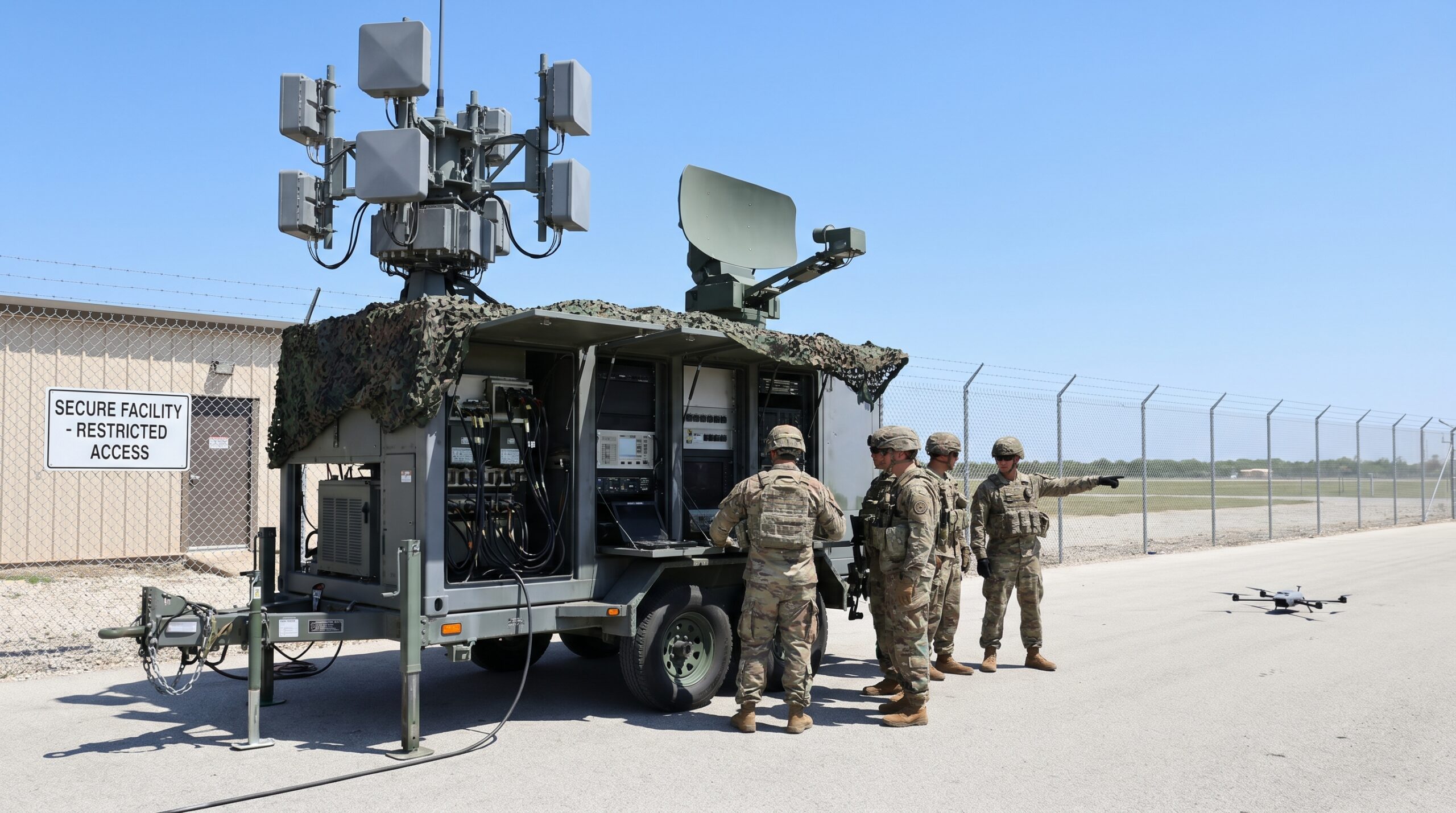
Successful Counter-UAV efforts first rely on precise detection and identification capabilities. This typically involves the collaborative work of multiple sensors, such as radar, RF analyzers, and optical systems. Radar can detect long-range targets, RF analyzers capture drone control signals, and high-definition cameras provide visual confirmation. Once a target is identified as a potential threat, countermeasure actions can be initiated.
Countermeasure Strategies and Technologies
Counter-UAV strategies are diverse, aiming to safely and effectively neutralize threats. Common technologies include: signal jamming, which blocks communication links between the drone and its operator by transmitting strong signals; GPS spoofing, which causes the drone to deviate from its intended flight path; and kinetic capture or interception systems. Each method has its applicable scenarios and technical considerations to ensure minimal collateral damage.
Conclusion
As UAV threats continue to evolve, Counter-UAV technology is also continuously advancing. From detection to the implementation of countermeasures, a comprehensive solution is essential for maintaining sky security. In the future, combining artificial intelligence with more advanced sensing technologies, Counter-UAV systems will become even more intelligent and efficient.
FAQ
Question 1: What are the main types of Counter-UAV systems?
Answer 1: The main types include RF jamming systems, GPS spoofing systems, net gun capture systems, and laser or kinetic interception systems. Their application is usually selected based on the threat type and operating environment.
Question 2: Can private citizens use Counter-UAV devices?
Answer 2: In most countries, unauthorized personal use of Counter-UAV devices is strictly restricted or even prohibited by law, as it may interfere with legitimate radio communications or pose public safety risks. Such devices are typically operated by government agencies or specific authorized units.
References
- Canadian Broadcasting Corporation News (https://www.cbc.ca/player/play/video/9.7190691)
