

Introduction
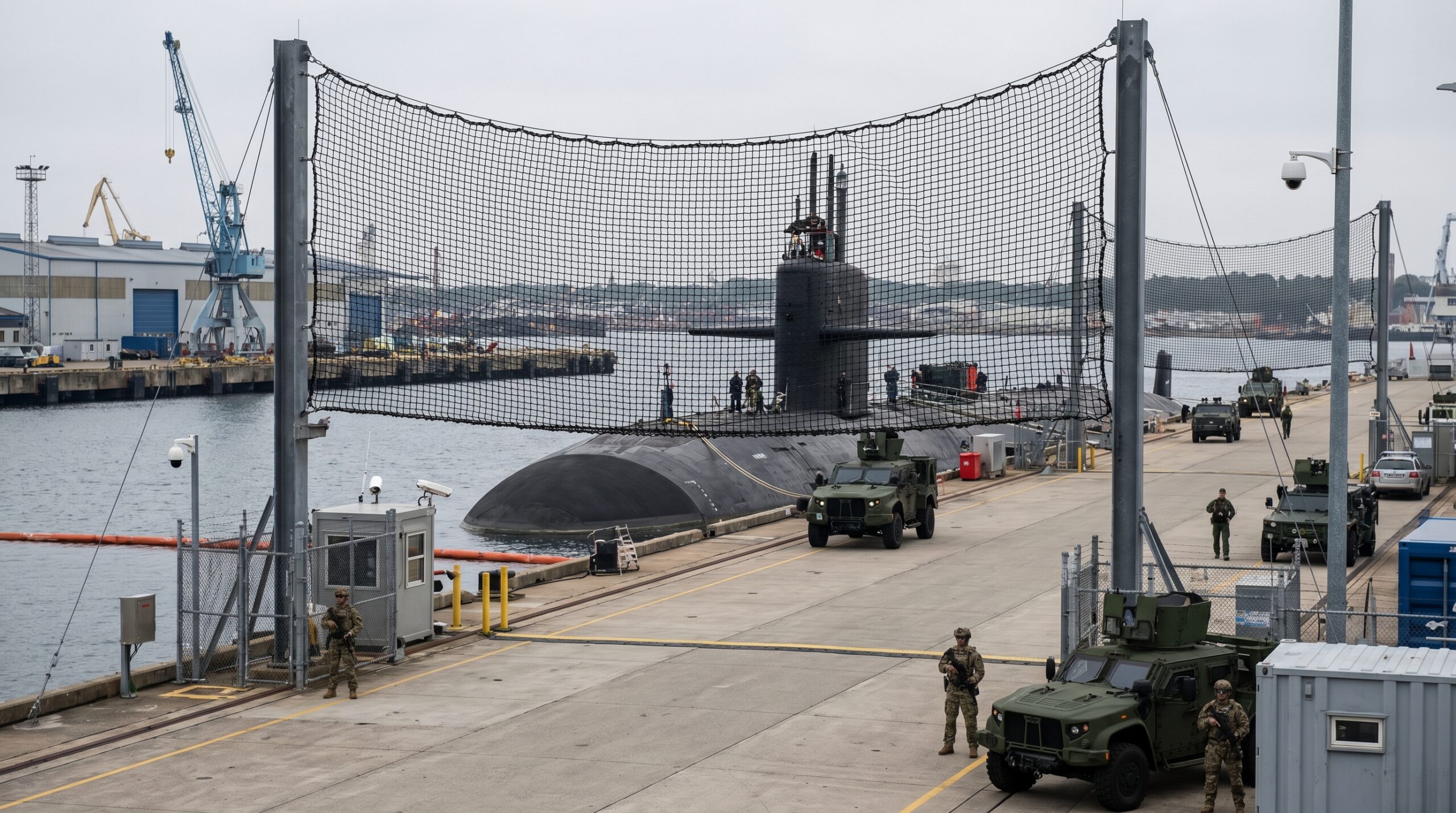
Recent satellite images reveal Russia has deployed innovative drone defense nets at its Arctic bases, aimed at protecting its strategic nuclear submarines. These defensive measures, located 7400 km from Ukraine, highlight the growing ubiquity of drone threats in modern warfare. Even far from the front lines of conflict, critical military assets require advanced protection. This move reflects a thoughtful consideration of future potential threats, especially concerning the security of high-value naval assets.
Defensive Measures and Strategic Context
Russia has implemented these drone defense measures at its bases on the Kola Peninsula. Satellite images clearly show specialized defense nets covering nuclear submarines, intended to intercept small drone attacks. This deployment is not merely a reaction to the current conflict but also a warning about the global trend of drone technology proliferation. Protecting highly sensitive assets like nuclear submarines, ensuring their survivability in any potential conflict, is a vital component of Russia’s defense strategy. This action also indicates that countering asymmetric threats has become routine, even in remote areas.
Evolution of Drone Threats and Countermeasures
In recent years, drone technology has rapidly advanced, with small commercial and military drones becoming cost-effective and destructive tools on the battlefield. They are capable of reconnaissance, intelligence gathering, and even attacks. The war in Ukraine has further highlighted the decisive role of drones in modern conflicts, forcing nations to reassess their existing defense systems. Russia’s deployment of these defense nets is part of its response to the evolving threat landscape, aiming to provide multi-layered protection for high-value targets. This defense strategy emphasizes the crucial role of foresight and adaptability in national security.
Conclusion
Russia’s deployment of drone defense nets for nuclear submarines at its Arctic bases marks a new phase in responding to modern military threats. This is not only a response to the current geopolitical situation but also a strategic anticipation of the role drones might play in future potential conflicts. Protecting critical assets from low-cost, high-efficiency drone attacks has become a priority in the defense planning of nations worldwide.
FAQ
Question 1: How do drone defense nets protect nuclear submarines?
Answer 1: Defense nets physically obstruct drones, preventing them from directly contacting or colliding with submarines, thereby mitigating potential explosive or reconnaissance threats. They are designed to intercept drones, preventing them from completing their missions.
Question 2: Why do nuclear submarines need drone defense?
Answer 2: Although nuclear submarines primarily operate underwater, they remain vulnerable to attack when in port or operating on the surface. Drones offer a cost-effective means that could potentially damage these high-value assets or gather intelligence.
References
- UNITED24 MEDIA (https://united24media.com/war-in-ukraine/satellite-images-show-russia-shielding-nuclear-submarines-with-anti-drone-netting-7400-km-from-ukraine-18801)
