

Introduction
In modern conflicts, drones have become critical players on the battlefield. Ukraine recently deployed advanced AI turrets systems, aiming to effectively counter the increasing number of drone attacks, especially as Moscow faces drone strikes, highlighting the growing importance of this technology. The introduction of AI turrets marks a significant shift in military strategy, applying artificial intelligence to real-time defense to protect critical infrastructure and frontline forces. This article will delve into the operational principles of AI turrets, their role in defense systems, and the challenges posed by drone warfare.
AI Turret Technology and Applications
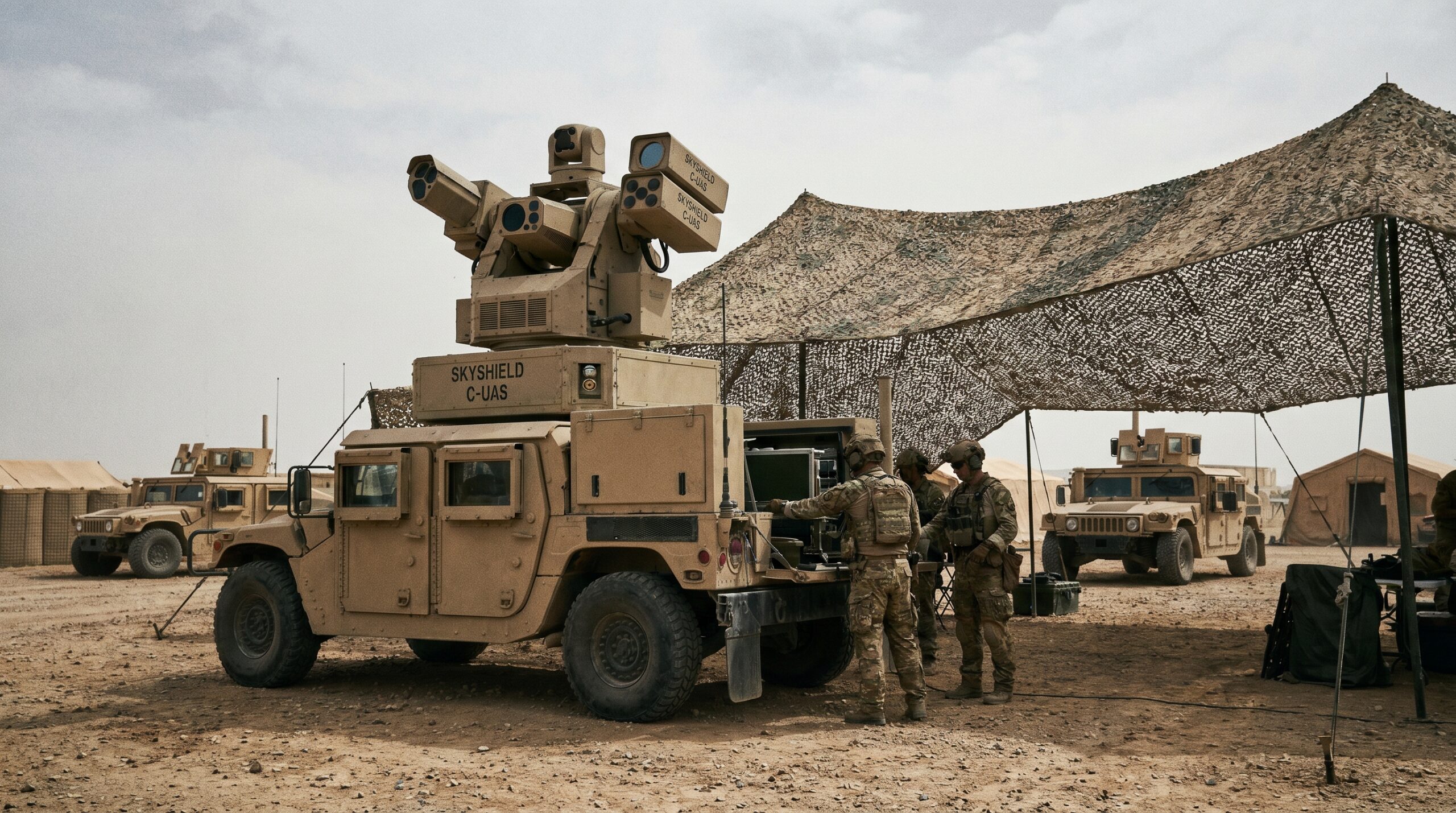
AI turrets combine artificial intelligence, machine learning, and automated weapon systems to autonomously identify, track, and intercept aerial targets. These systems are typically equipped with high-precision sensors such as radar, infrared cameras, and optical detectors, ensuring all-weather operational capability. Once a threat is detected, AI turrets can quickly assess the target type and priority, and decide on the optimal engagement strategy, significantly reducing operator reaction time. The AI turrets deployed in Ukraine are expected to serve as a vital complement to its air defense system, especially in countering low-altitude, slow-moving, and small drones that are difficult for traditional air defense systems to effectively intercept, showcasing a unique advantage.
Drone Threats and Counter-Response Challenges
Drones, particularly small civilian or modified drones, have become an undeniable threat on the modern battlefield due to their low cost, easy accessibility, and simple operation. They can be used for reconnaissance, targeting, and even carry explosives for suicide attacks. The drone attack incidents targeting Moscow further emphasize the urgent need for air defense capabilities in urban areas. Traditional air defense systems may be inefficient when facing a large number of low-altitude, high-speed, or irregularly shaped drones. AI turrets, with their rapid response and precise strike capabilities, offer new solutions to address these challenges. However, the deployment of these systems also brings challenges related to operational ethics, misjudgment risks, and technical maintenance.
Conclusion
The deployment of AI turrets is a milestone in military technology development, demonstrating the immense potential of artificial intelligence in responding to new threats. They provide Ukraine with an effective means to counter drone threats but also provoke deep thought about the future of warfare and technological ethics. As drone technology continues to evolve, AI turrets and other AI-driven defense systems will continue to play a critical role in shaping the global security landscape.
FAQ
Question 1: How do AI turrets identify drones?
Answer 1: AI turrets utilize multi-modal sensor fusion technology, combining radar, optical, infrared detectors, and AI algorithms to analyze target characteristics such as flight patterns, shapes, and thermal signatures to identify drones.
Question 2: What are the main challenges in deploying AI turrets?
Answer 2: The main challenges include high deployment costs, complex maintenance requirements, demand for specialized operator skills, potential ethical issues, and anti-jamming capabilities in complex electromagnetic environments.
References
- MSN News (https://www.msn.com/en-au/news/insight/ukraine-deploys-ai-turrets-as-drone-strikes-hit-moscow/gm-GM1438997F?gemSnapshotKey=GM1438997F-snapshot-9)
