

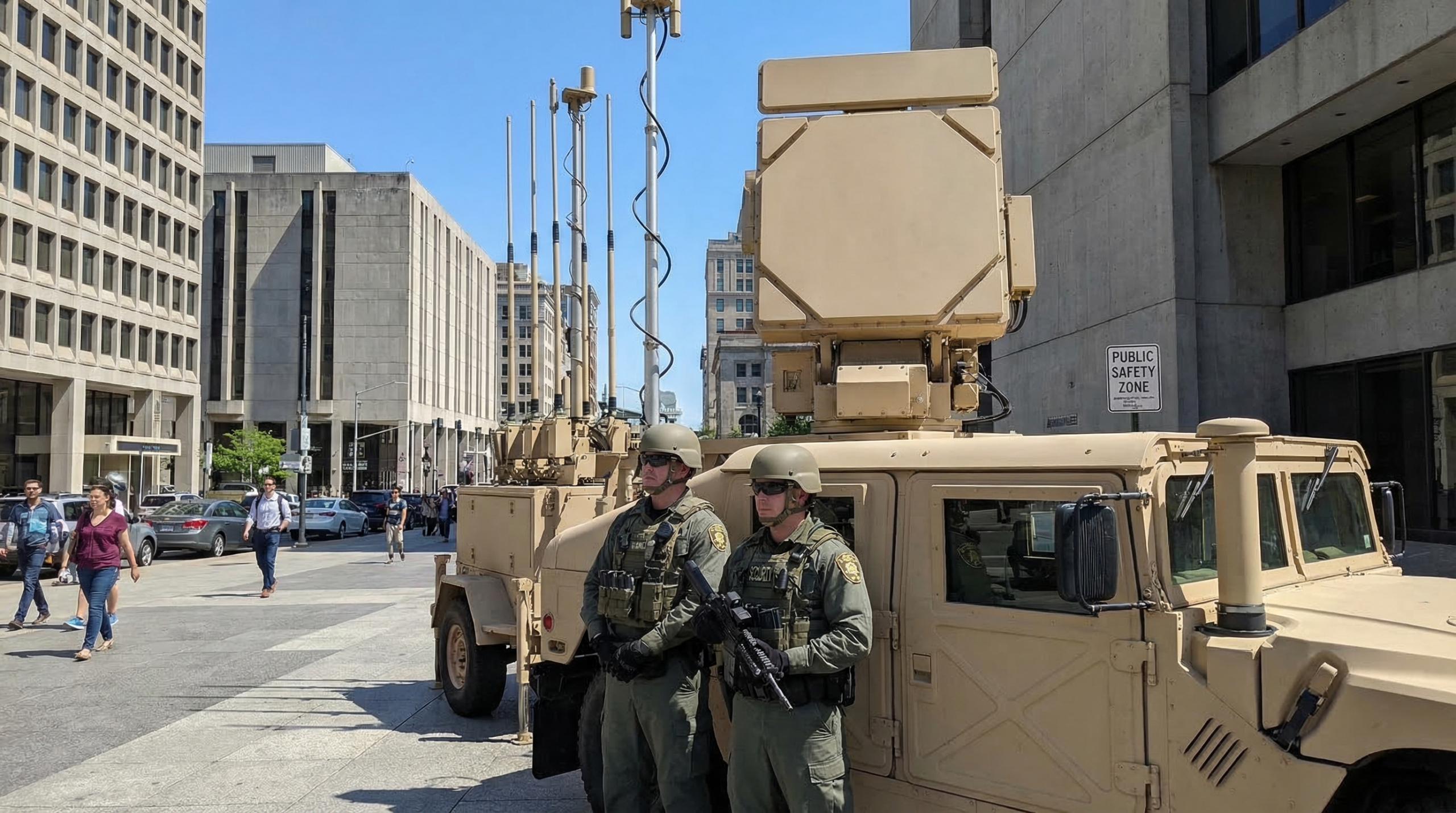
Addressing Modern Airspace Threats: Deploying Efficient Drone Defense Systems
Introduction
In modern warfare, drones have become a pervasive and deadly threat. From reconnaissance to attack, their use cases are increasingly widespread, posing severe challenges to national security and critical infrastructure. Therefore, developing and deploying efficient drone defense systems has become crucial. This article will explore the evolution of these systems, key technologies, and their role in countering current and future aerial threats.
The Evolution and Challenges of Drone Threats
Drone technology is advancing rapidly, leading to a proliferation of small, inexpensive, and easily accessible drones. These aircraft can carry explosives, perform intelligence gathering missions, or even be used for swarm attacks, making traditional air defense measures difficult to counter. Hostile actors, for instance, certain nations supplying armed drones, further exacerbate security risks in conflict zones. Effectively identifying, tracking, and neutralizing these threats from various altitudes and speeds is a core challenge facing current drone defense systems.
Key Drone Defense Systems Technologies
Advanced drone defense systems typically integrate multiple technologies. These include:
- Detection and Tracking: Utilizing radar, electro-optical/infrared sensors, and acoustic arrays to identify drones.
- Identification and Classification: Distinguishing friendly from hostile entities and identifying drone types through artificial intelligence and machine learning algorithms.
- Countermeasures:
- Soft Kill: Disrupting their navigation systems (GNSS jamming), communication links (RF jamming), or using cyberattacks to take control of drones.
- Hard Kill: Employing high-energy lasers, microwave weapons, anti-aircraft missiles, or interceptor drones. These technologies need to work synergistically to form a layered defense system, ensuring effective protection in various threat scenarios.
Conclusion
As drone threats continue to evolve, investing in advanced drone defense systems is no longer an option, but a necessity. By integrating innovative detection, identification, and countermeasure technologies, we can better protect critical areas, maintain air security, and effectively address future challenges. Global collaboration and technological innovation will be key to building robust defense systems.
FAQ
Question 1: What core components do drone defense systems typically include?
Answer 1: Core components typically include detection equipment such as radar, infrared sensors, identification systems, and various countermeasures like radio frequency jammers, laser weapons, or interceptor drones.
Question 2: What is the difference between soft kill and hard kill countermeasures?
Answer 2: Soft kill primarily incapacitates or takes control of drones through electronic jamming or cyberattacks, usually without causing physical damage. Hard kill directly destroys the target using physical means, such as firing missiles, laser incineration, or launching interceptor drones.
References
- The Guardian (https://www.theguardian.com/world/2026/mar/02/ukraine-war-briefing-drone-experts-to-stop-iran-drone-attacks-starmer)
