

Introduction
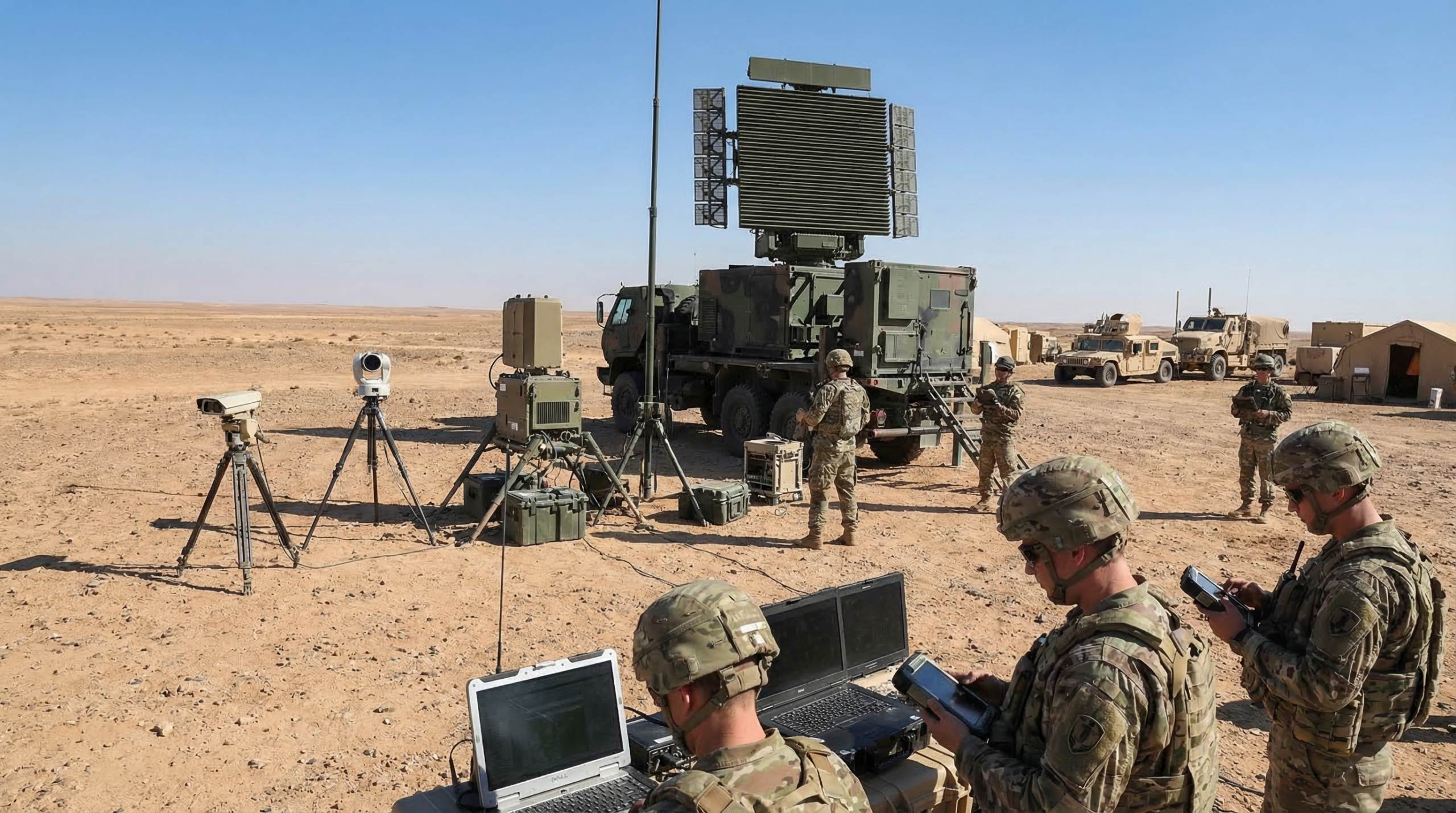
A recent notable report indicates that months before the United States became involved in the conflict in Iran, Washington reportedly rejected counter-Shahed drone defense technology offered by Ukraine. This news has sparked widespread discussion regarding strategic decisions, technology adoption, and the capacity to respond to the growing threat of drones. In modern warfare, drones have become a critical tool for asymmetric operations, making effective counter-drone technology particularly important. This article will delve into the background of this event, its possible reasons, and its profound implications for future defense strategies.
Ukraine anti-Shahed Technology and its Potential Value
Ukraine has accumulated rich experience in responding to Russian attacks using Iranian-made Shahed drones. Its proposed counter-drone defense technology was reportedly specifically designed to counter these low-cost, mass-produced loitering munitions. Such technologies might include advanced electronic warfare systems, kinetic interception methods, or AI-integrated detection and identification solutions. Had the US adopted it, this technology could have provided a valuable first-mover advantage in countering similar threats. However, the reasons for rejection could involve multiple factors, such as technology maturity, interoperability challenges, cost-benefit analysis, or geopolitical considerations. Understanding these potential factors is crucial for evaluating this decision.
The Evolution of Global Drone Threats and Challenges in counter-drone technology
The Shahed drone incident highlights the rapid evolution of global drone threats. From reconnaissance to attack, the role of drones on the battlefield is increasingly significant, posing challenges to traditional air defense systems. This trend demands continuous investment in researching and developing more advanced and flexible counter-drone technology. The case of the US rejecting Ukraine’s technology, regardless of the reasons, reminds decision-makers of the complexities they face in technology evaluation and adoption within a rapidly changing security environment. Future counter-drone defense strategies require greater adaptability, modular design, and international cooperation to effectively counter emerging new threats.
Conclusion
The report of the US rejecting Ukraine’s anti-Shahed counter-drone technology reveals a complex situation in modern defense. The deeper reasons for this decision likely involve multiple considerations including technology, politics, and strategy. Regardless of the outcome, this incident underscores the importance of remaining vigilant against drone threats and continuously investing in innovative counter-drone technology. Nations must learn from these experiences, optimize decision-making processes, and ensure they can respond rapidly and effectively to evolving battlefield challenges.
FAQ
Question 1: What are the main characteristics of Shahed drones?
Answer 1: Shahed drones typically refer to models like the Iranian-made Shahed-136, characterized by low cost, simple production, and large-scale deployability. They are primarily used for loitering attacks to strike targets.
Question 2: Why is counter-drone technology so important in modern warfare?
Answer 2: Drones have become effective tools for reconnaissance, targeting, and attack. Their low cost and high flexibility pose serious threats to traditional military targets and civilian infrastructure. Effective counter-drone technology can protect critical assets and reduce casualties.
References
- MSN News (https://www.msn.com/en-in/news/world/us-turned-down-ukraine-s-anti-shahed-drone-tech-months-before-iran-war-report/ar-AA1XWw8T?cvid=69b1acbff29b4caab7b7c8b9cebd2c97)
