

Introduction
Recent conflicts indicate Ukraine has shown significant effectiveness in drone defense, capable of mass downing Russian drones. This success is due to its deployment of various counter-drone systems and tactics. However, facing advanced missile threats, challenges remain severe. This article will explore Ukraine successful experiences in drone defense and deeply analyze the unique dilemmas it faces when responding to faster, stealthier missile attacks. Understanding the differences between these two threats is crucial for building future air defense strategies.
Drone Defense System Success Stories
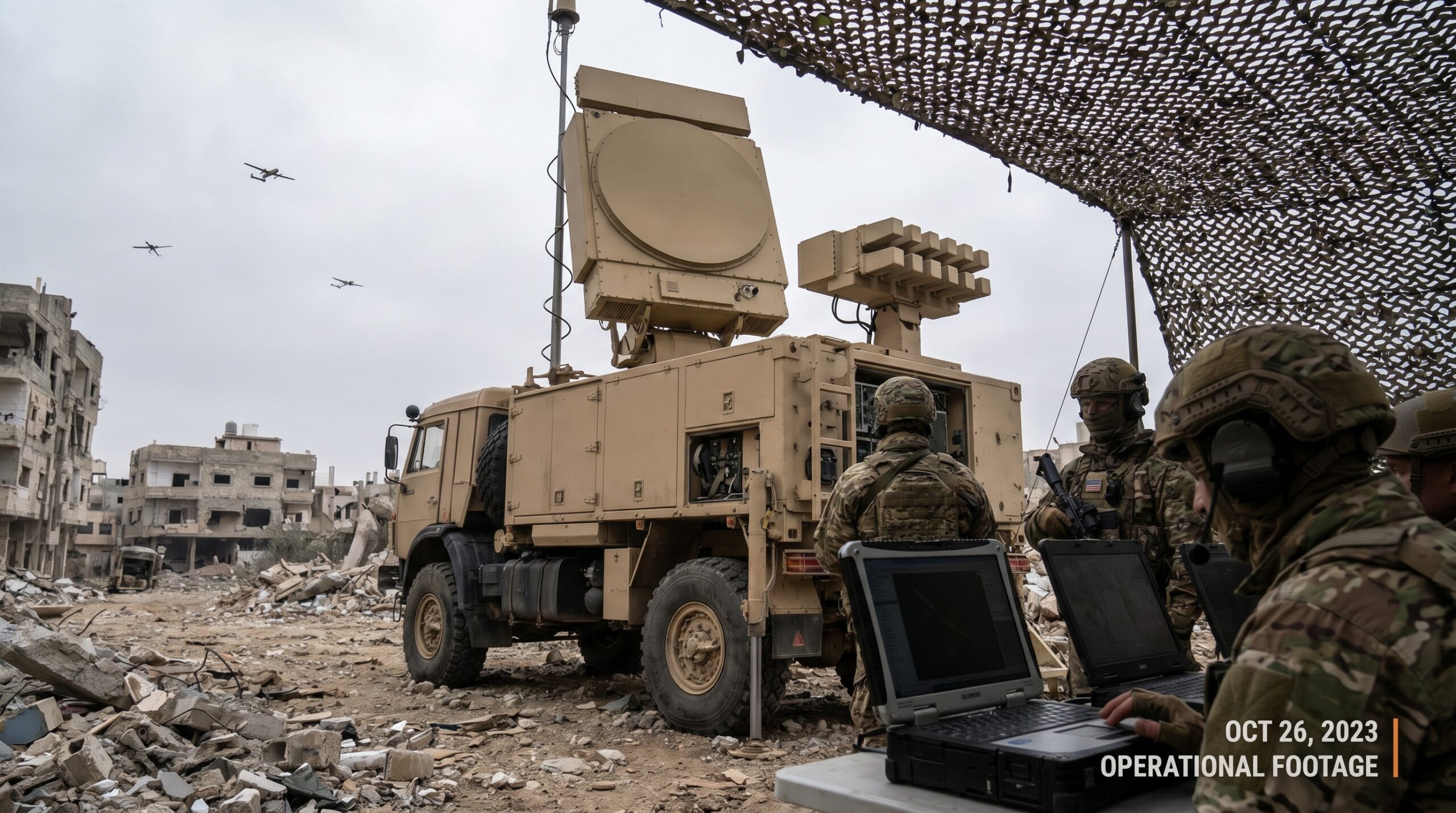
Ukraine effective interception of drones is primarily attributed to a multi-layered drone defense strategy. This includes using electronic warfare systems to jam drone navigation and control signals, deploying man-portable or vehicle-mounted air defense weapon systems for physical interception, and utilizing advanced radar and sensor networks for early warning and target tracking. For instance, many low-cost drones become easy targets for ground-based air defense due to their relatively slow speed and low flight altitude. Furthermore, the Ukrainian military has flexibly employed traditional artillery and light weapons, combined with well-trained soldiers, significantly increasing drone interception rates.
Complexity and Challenges of Missile Threats
Unlike drones, intercepting missiles presents an entirely different challenge. Missiles typically fly at extremely high speeds, with some possessing supersonic or hypersonic capabilities, leaving very little reaction time for defense systems. Their flight trajectories can be more complex, featuring evasive maneuvers, and some models incorporate stealth designs, making them difficult for traditional radar to effectively detect and track. Moreover, missiles carry powerful warheads, and even successful interception can lead to falling debris causing ground damage. Therefore, countering missile threats requires more advanced and expensive anti-missile systems, such as ballistic missile defense systems, whose deployment and operational costs far exceed those of counter-drone systems.
Conclusion
Ukraine has made remarkable progress in effectively countering large-scale drone attacks, highlighting the importance of robust drone defense capabilities. However, the inherent difference of missile threats, with their high speed, high maneuverability, and stealth characteristics, makes interception a far more formidable task. Future air defense strategies must address both types of threats, continuously investing in advanced technology and training, aiming to comprehensively enhance national airspace security.
FAQ
Question 1: Why are drones easier to intercept than missiles?
Answer 1: Drones are generally slower, fly at lower altitudes, and their communication links are susceptible to electronic jamming. In contrast, missiles are extremely fast, have complex flight paths with evasive capabilities, and a smaller radar cross-section, making them harder to target.
Question 2: How do modern anti-missile systems work?
Answer 2: Modern anti-missile systems achieve defense through multiple layers, including early warning satellites and radar detection, precise target tracking, and using ground-based or sea-based interceptor missiles to destroy incoming missiles at high altitudes or within the terminal atmosphere.
References
- MSN News (https://www.msn.com/en-in/news/world/ukraine-can-down-russian-drones-en-masse-but-missiles-are-a-problem/ar-AA23iuEz?cvid=6a07ca142cbb4b69b6c7a95d7502cab5&ocid=hpmsn)
