

Introduction
As modern warfare evolves, unmanned aerial vehicles (UAVs) have become an undeniable force on the battlefield. From reconnaissance to attack, their widespread use poses a severe challenge to traditional military strategies. This article will delve into how Ukraine has rapidly developed its anti-drone warfare capabilities during the ongoing conflict, transforming its experience into a crucial reference for global defense. Ukraines response to numerous drone threats has showcased remarkable adaptability and innovation, offering valuable real-world insights to nations worldwide.
Ukraines Adaptability and Innovation
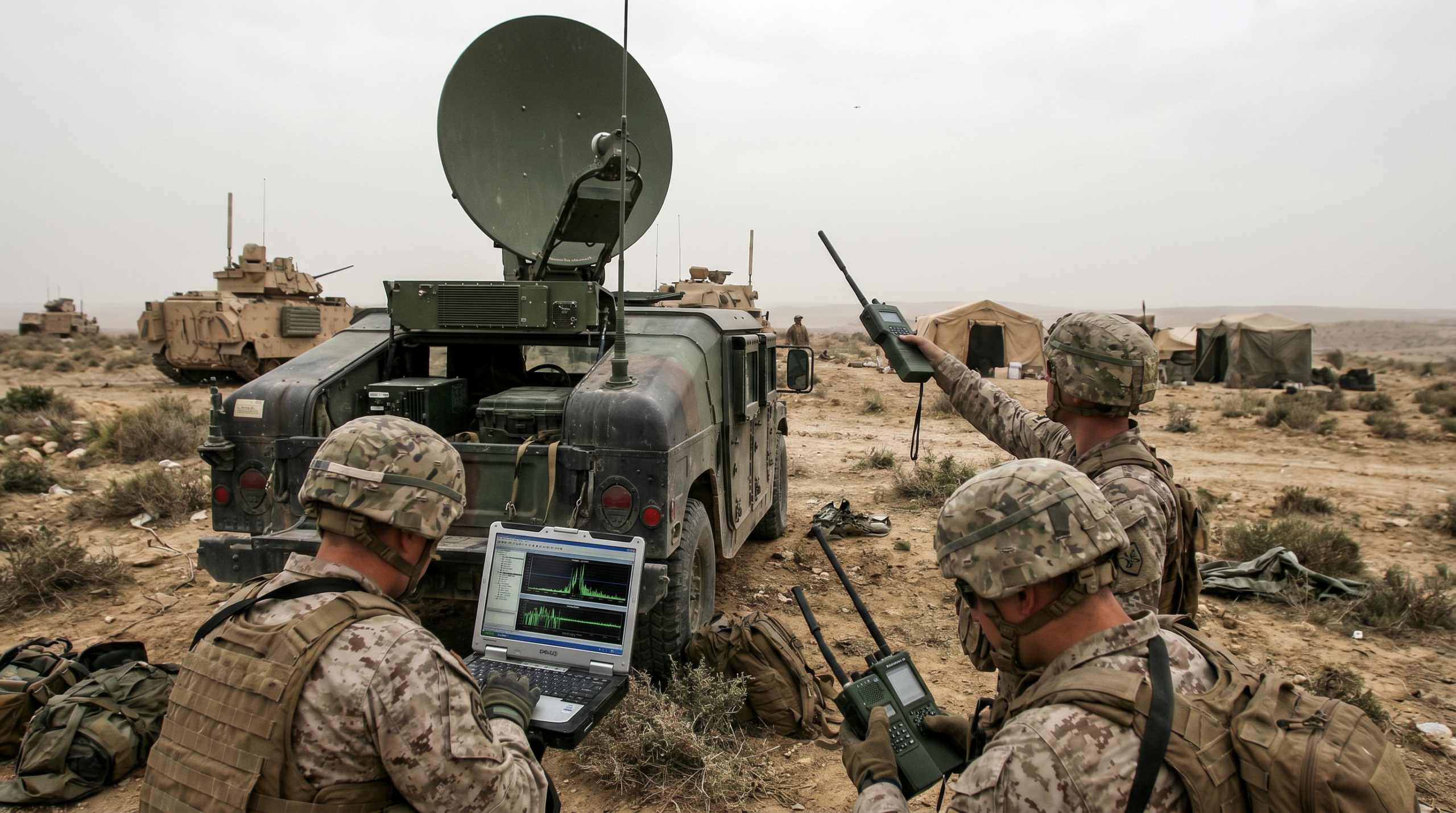
Since the outbreak of the Ukrainian conflict, its military has been compelled to quickly enhance anti-drone warfare strategies against various drones from the adversary. This includes deploying advanced electronic warfare systems for signal jamming, utilizing radar and optical equipment for detection and tracking, and developing innovative tactics such as using small drones to intercept larger ones. From large military UAVs to small commercial drones, Ukraine has demonstrated the ability to effectively weaken enemy drone effectiveness in complex electromagnetic environments by integrating multiple technological approaches. This rapid iteration and real-world validation have led to significant advancements in its counter-drone technology and tactics.
Technological Evolution and Future Trends
Ukraines experience in anti-drone warfare has accelerated the development of global counter-UAV technology. This has prompted nations to reassess their airspace defense capabilities and invest in more advanced C-UAV systems. Future trends include AI-driven autonomous interception systems, directed energy weapons like lasers, and more efficient cyber-attack methods to disable enemy drones. Furthermore, the integration of civilian technology with military applications will continue to deepen, making anti-drone solutions more cost-effective and flexible. Ukraines practice proves that only through continuous innovation and adaptation can one stay ahead in an environment of increasing drone threats.
Conclusion
The invaluable experience gained by Ukraine in countering drone threats has not only shaped the current battlefield situation but also provided profound insights for global anti-drone warfare strategies. Its rapid learning, technological innovation, and tactical adaptability will have a far-reaching impact on future military conflicts and security defense. Nations should learn from Ukraines experience to strengthen their own anti-drone capabilities to cope with evolving new aerial threats.
FAQ
Question 1: What is anti-drone warfare?
*Answer 1: Anti-drone warfare refers to military actions and technical means to identify, track, intercept, jam, or destroy enemy drones, aiming to protect ones own forces, facilities, and airspace security.
Question 2: How does Ukraine deal with drone threats?
*Answer 2: Ukraine responds to drone threats by combining electronic warfare jamming, radar and optical detection, kinetic interception (such as using small drones or air defense systems), and adapting civilian technology.
References
- New Atlas (https://newatlas.com/military/ukraines-anti-drone-expertise-rise/)
