

Introduction
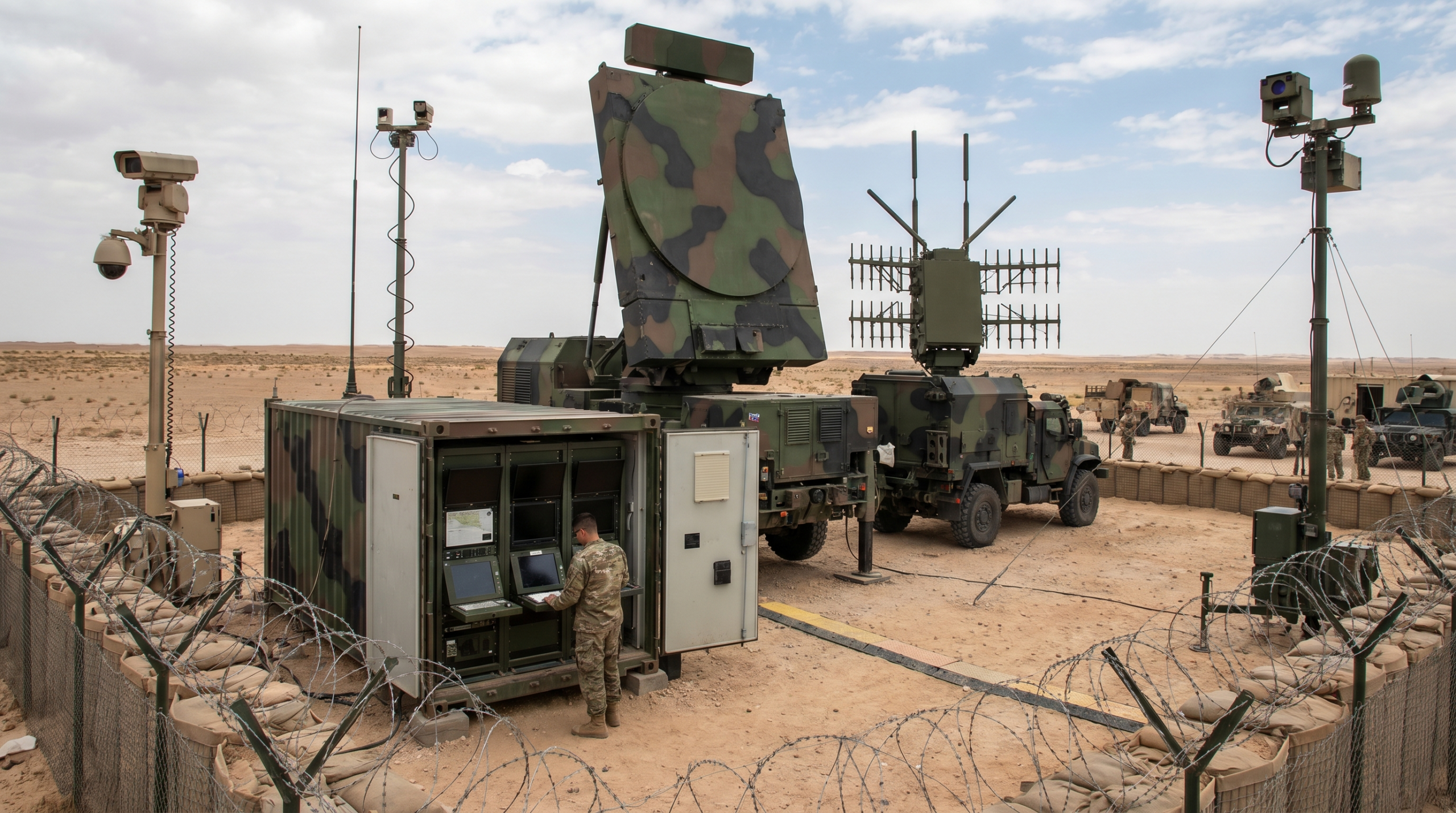
Drone technology is rapidly advancing, with increasingly widespread applications, but the accompanying security threats are also becoming prominent. From illegal intrusions to malicious attacks, drones pose serious challenges to critical infrastructure and public safety. A senator states that artificial intelligence AI capabilities are necessary to counter these emerging drone threats. Drone defense systems must upgrade to adapt to the evolving threat landscape.
Emerging Drone Threats and Challenges
The complexity of current drone threats is increasing daily, including small drone swarms, models with autonomous flight capabilities, and strategies capable of evading existing defense systems. Traditional counter-drone measures have many limitations, such as radar blind spots, high false alarm rates, and difficulty effectively distinguishing between friend and foe targets, all of which pose significant challenges to effective drone defense.
The Key Role of Artificial Intelligence in Drone Defense
Artificial intelligence significantly enhances drone defense system capabilities through real-time data analysis, efficient pattern recognition, precise target tracking, and rapid autonomous decision-making. For instance, machine learning algorithms can quickly identify new drone features, deep learning optimizes jamming strategies, and multi-sensor data fusion improves detection accuracy and reduces false alarms, thereby building a smarter, more proactive defense system.
Conclusion
Facing evolving drone threats, artificial intelligence has become an indispensable tool for strengthening drone defense systems. In the future, intelligent defense systems integrated with AI will be able to more effectively protect our airspace security, providing more reliable threat perception and response capabilities.
FAQ
Question 1: How does AI help identify small drones?
*Answer 1: AI analyzes data from various sensors like radar, optical, and acoustic using machine learning algorithms to identify unique flight patterns, shapes, and sound characteristics of small drones, effectively distinguishing them from birds or background noise.
Question 2: What challenges do AI counter-drone systems face?
*Answer 2: Challenges include processing massive amounts of real-time data, preventing AI models from being fooled by adversarial attacks, and ensuring system reliability in complex electromagnetic environments. Continuous updating of AI models is also needed to counter new drone technologies.
References
- Nextgov (https://www.nextgov.com/emerging-tech/2026/04/ai-capabilities-are-needed-counter-drone-threats-senator-says/412987/)
