

Introduction
As the role of unmanned aerial vehicles UAVs becomes increasingly prominent in modern warfare, especially with the widespread use of First Person View FPV drones, countermeasure technologies have rapidly developed. Recent reports indicate that Russia has deployed SERP FPV jammers in Ukraine to counter the growing number of Ukrainian drone attacks. The emergence of this FPV jammer signifies a further increase in the importance of electronic warfare on the battlefield and has profound implications for future drone operations.
FPV Jammer Technical Principles
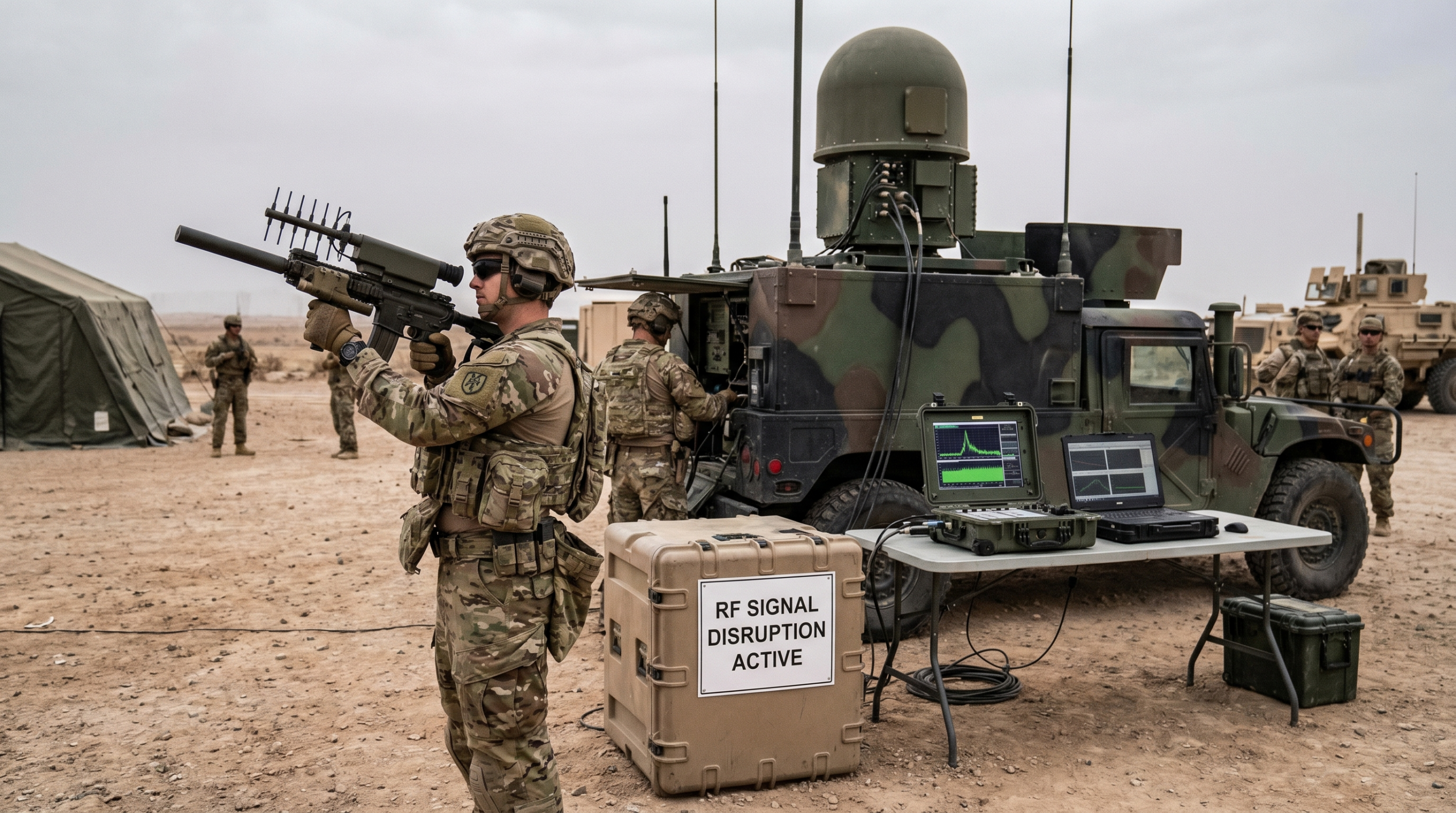
An FPV jammer, short for First Person View drone jammer, operates by transmitting radio frequency signals on specific frequency bands. It interferes with the communication link between the drone and its operator, or disrupts the drones own navigation system signals such as GPS, thereby causing it to lose control, crash, or fail to complete its mission. SERP FPV jammers typically target common ISM bands used by FPV drones, such as 2.4GHz and 5.8GHz, and may even interfere with GPS L1/L2 signals. These devices aim to create an electromagnetic suppression zone, causing drones entering the area to lose their guidance capability.
Battlefield Impact and Counter Strategies
The deployment of SERP FPV jammers on the battlefield directly affects the operational effectiveness of Ukrainian FPV drones. Drone operators will face issues such as communication interruption, lost image transmission, or GPS drift, significantly reducing the success rate of attacks. For infantry units and light vehicles, FPV jammers provide an important passive defense mechanism, effectively mitigating close-range drone threats. However, this technology is not without its weaknesses. The jammer itself can become a high-value target, vulnerable to anti-radiation missiles or precision strikes. Simultaneously, both sides are continuously developing new anti-jamming technologies and frequency-hopping communication methods, causing the electronic warfare offense-defense competition to escalate. Future battlefields will rely more heavily on comprehensive electronic warfare capabilities, including jamming, anti-jamming, and signal intelligence collection.
Conclusion
The deployment of FPV jammers is a significant milestone in the development of modern electronic warfare, highlighting the ongoing interplay between drone threats and countermeasures. As technology continues to evolve, the electromagnetic spectrum on future battlefields will become even more complex. All parties must constantly innovate to maintain an advantage in electronic warfare and effectively respond to evolving tactical challenges.
FAQ
Question 1: What is an FPV jammer?
Answer 1: An FPV jammer is an electronic warfare device that transmits radio frequency signals to interfere with the communication between a First Person View drone and its controller, or disrupt its navigation system, leading to drone loss of control.
Question 2: How does an FPV jammer affect drones?
Answer 2: An FPV jammer can cause drones to lose video feedback, control signals, or Global Positioning System GPS signals, leading to the drone being unable to fly, deviating from its course, or even crashing.
References
- United24 Media (https://united24media.com/war-in-ukraine/russia-deploys-serp-fpv-jammer-as-ukrainian-drone-strikes-outpace-troop-replacement-18490)
