

Introduction
In recent years, unmanned aerial vehicles (UAVs) have played an increasingly vital role in modern conflicts, particularly in the Middle East. Reports indicate that over 200 Ukrainian military experts have been deployed to the Gulf region to strengthen its anti-drone technology capabilities, specifically targeting threats posed by Iranian drones. This move underscores the urgent global demand for effective counter-UAV solutions and the critical role of international cooperation in addressing emerging security challenges.
Complexity of Modern Drone Threats
Modern drones, especially attack-reconnaissance UAVs, have become powerful tools in asymmetric warfare due to their cost-effectiveness, high maneuverability, and precision strike capabilities. They are not only used for reconnaissance and intelligence gathering but can also carry munitions to execute attack missions, posing serious threats to military bases, critical infrastructure, and even civilian targets. Iranian-manufactured drones have been widely used in conflicts across the Middle East and elsewhere. Their complex designs and evolving attack patterns present significant challenges to traditional defense systems. Therefore, deploying advanced anti-drone technology has become an urgent priority.
Key Anti-Drone Technology Strategies
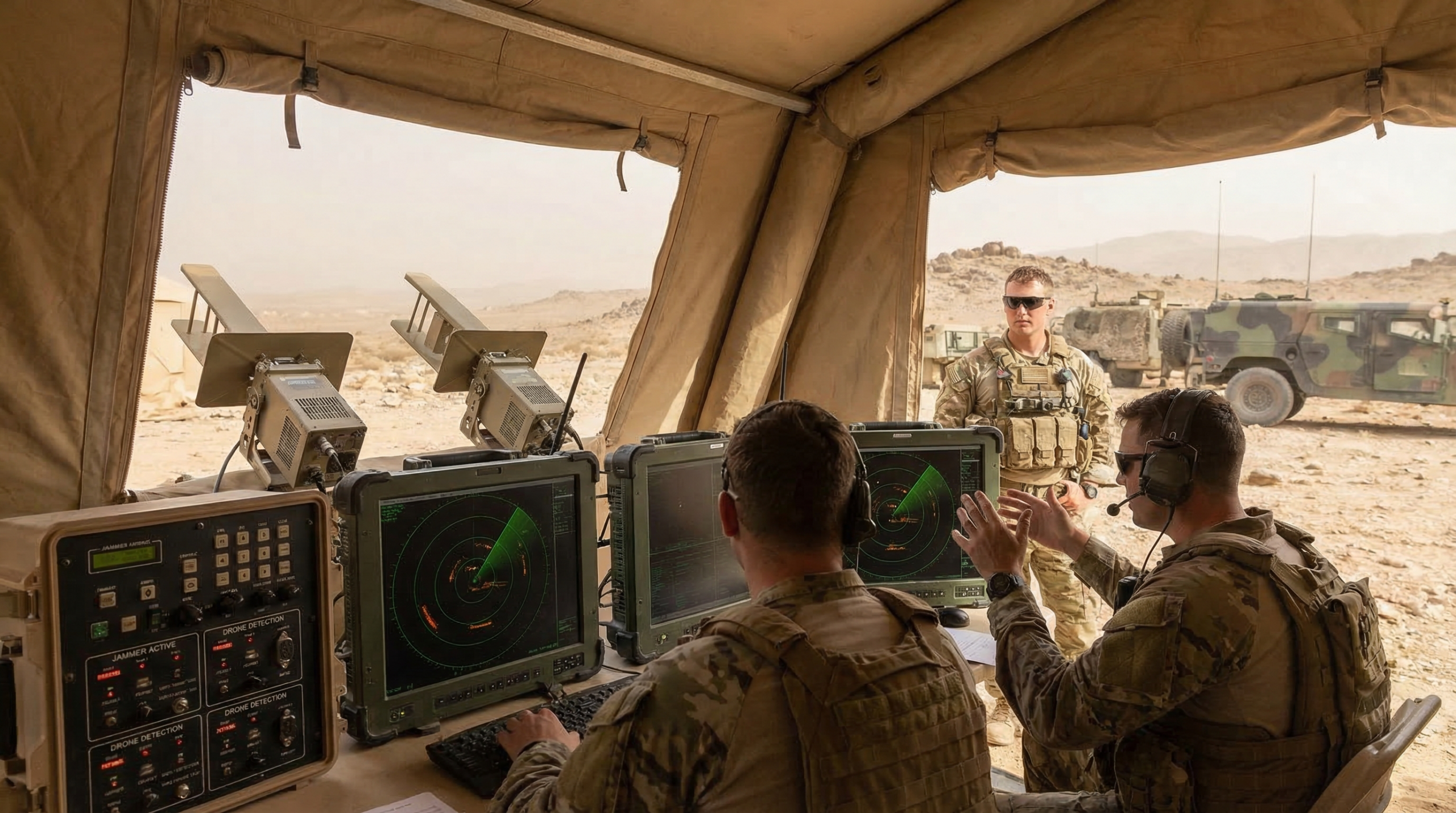
Effective anti-drone measures typically involve multi-layered, integrated strategies. First is detection and identification, which uses radar, optical sensors, and radio frequency detection systems to discover and classify airborne targets. Second is jamming and suppression, employing radio frequency jammers to sever communication links between drones and their operators, causing them to lose control or return to base. More advanced countermeasures include kinetic interception systems, such as laser weapons or anti-aircraft missiles, as well as cyberattack methods to directly hijack or disable drone systems. The Ukrainian experts presence in the Middle East likely aims to share their extensive combat-proven countermeasure experience and assist regional allies in building stronger anti-drone frameworks.
Conclusion
The deployment of Ukrainian military experts to the Middle East to bolster anti-drone technology signifies a growing international awareness of drone threats and a continuous pursuit of comprehensive, highly efficient countermeasure solutions. As drone technology continues to advance, anti-drone technology must also evolve synchronously to ensure regional and global security and stability.
FAQ
Question 1: What is the primary objective of Ukrainian experts deployed in the Middle East?
Answer 1: The main objective is to help Gulf region countries strengthen their anti-drone technology capabilities against Iranian drone threats and share their combat-proven countermeasure experience.
Question 2: What security threats do modern drones typically pose?
Answer 2: Modern drones can be used for reconnaissance, intelligence gathering, and can carry munitions for attack missions, posing severe threats to military bases, critical infrastructure, and civilian targets.
References
- Al Jazeera (https://www.aljazeera.com/news/2026/3/18/over-200-ukrainian-military-experts-in-gulf-region-to-counter-irans-drones)
