

Introduction
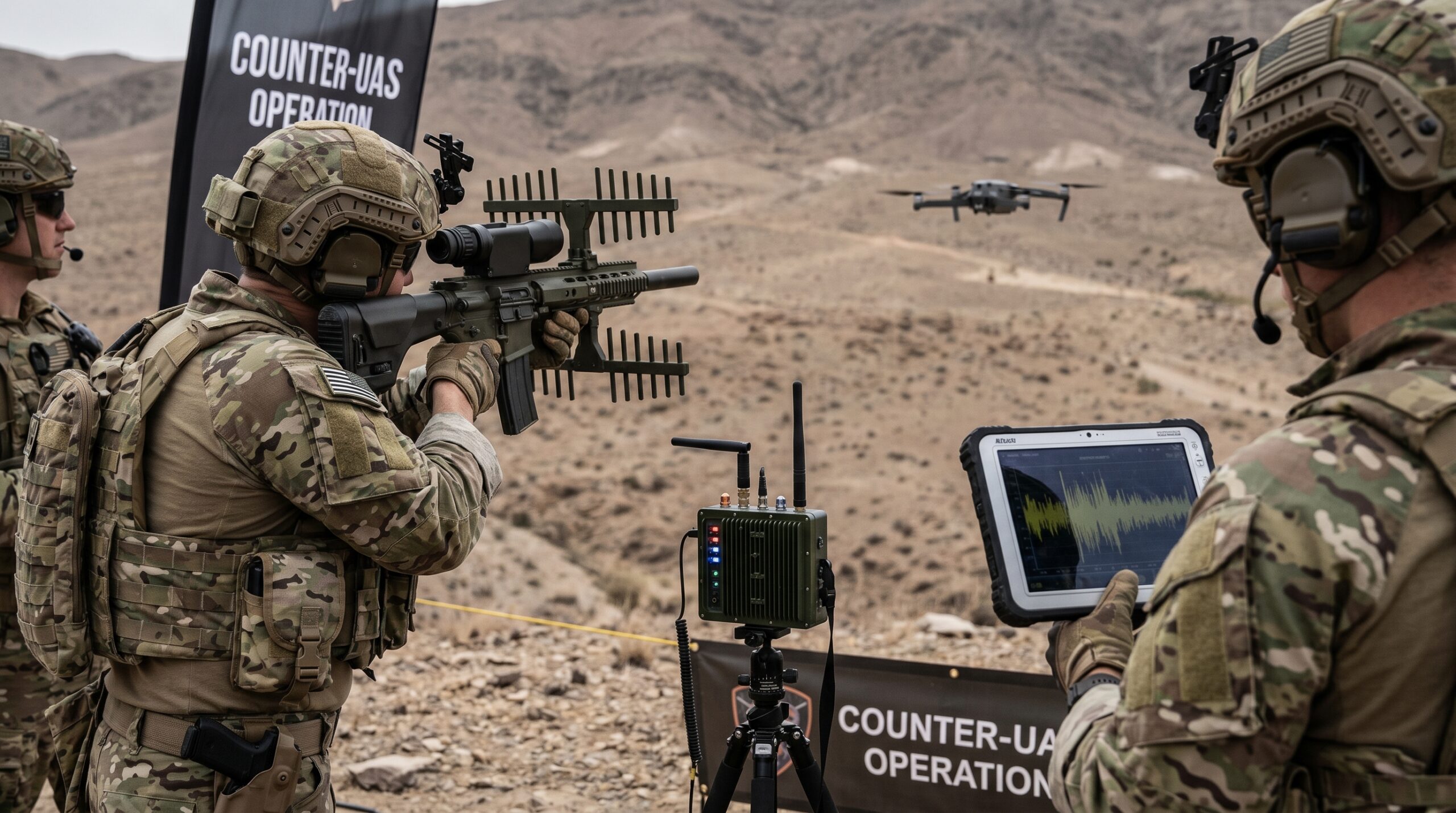
As drone technology becomes increasingly widespread, its military applications bring new challenges. NATO recently conducted a series of exercises aimed at strengthening member states counter-drone capabilities to address this evolving threat. Meanwhile, the United States highly praises Ukraines technological edge in this field, indicating that combat experience is driving innovation in drone defense strategies. These drills and practical experiences highlight the urgency and importance of developing effective counter-drone solutions.
NATO Exercises and Defense Strategies
NATO conducts complex counter-drone exercises by simulating real battlefield environments. These drills not only test the ability to detect, identify, and track drones but also include the integration of various hard-kill and soft-kill defense measures. For example, radar systems work with optical sensors to achieve high-precision detection of small drones. Electronic warfare systems disrupt communication links between drones and operators, forcing them to lose control or crash. Furthermore, next-generation defense technologies such as laser weapons and high-energy microwave systems are gradually being integrated to provide more comprehensive protection. NATO emphasizes that international cooperation and information sharing are crucial for effectively countering drone threats.
Ukraines Innovative Technological Advantage
Ukraine has accumulated valuable counter-drone combat experience during the conflict and has developed several innovative technologies based on it. Its forces not only use advanced electronic warfare equipment against enemy drones but also actively deploy domestically developed drone detection and interception systems. These systems typically boast high adaptability and rapid battlefield deployment capabilities. For instance, some Ukrainian teams have developed AI-based identification software that can identify drone models and their potential threats more quickly and accurately. In addition, the widespread use of modular counter-drone equipment allows front-line soldiers to flexibly configure defense measures according to specific situations. US officials believe that Ukraines technological innovations and adaptability offer important references for global counter-drone strategies.
Conclusion
The increasing complexity of drone threats drives the continuous evolution of global defense systems. NATOs collaborative drills and Ukraines combat innovations jointly advance counter-drone technologies and strategies. In the future, continuous technological research and development, international cooperation, and the absorption of combat experience will be key to building a robust drone defense system. These efforts ensure that critical assets and personnel are effectively protected in increasingly complex modern battlefields.
FAQ
Question 1: What are the main aspects of counter-drone technology?
*Answer 1: Counter-drone technology mainly includes detection, identification, tracking, jamming, spoofing, and physical interception, covering radar, optical, acoustic, electronic warfare, and kinetic weapon methods.
Question 2: Why does the US praise Ukraines counter-drone experience?
*Answer 2: Ukraine has gained extensive combat experience and developed rapidly deployable, highly adaptable, and AI-integrated innovative counter-drone systems based on it. Its technology and strategies provide valuable global reference.
References
- MSN News (https://www.msn.com/en-us/news/insight/nato-drills-counter-drone-tactics-as-us-lauds-ukraine-s-tech-edge/gm-GM20E2C642?gemSnapshotKey=GM20E2C642-snapshot-24)
