

Introduction
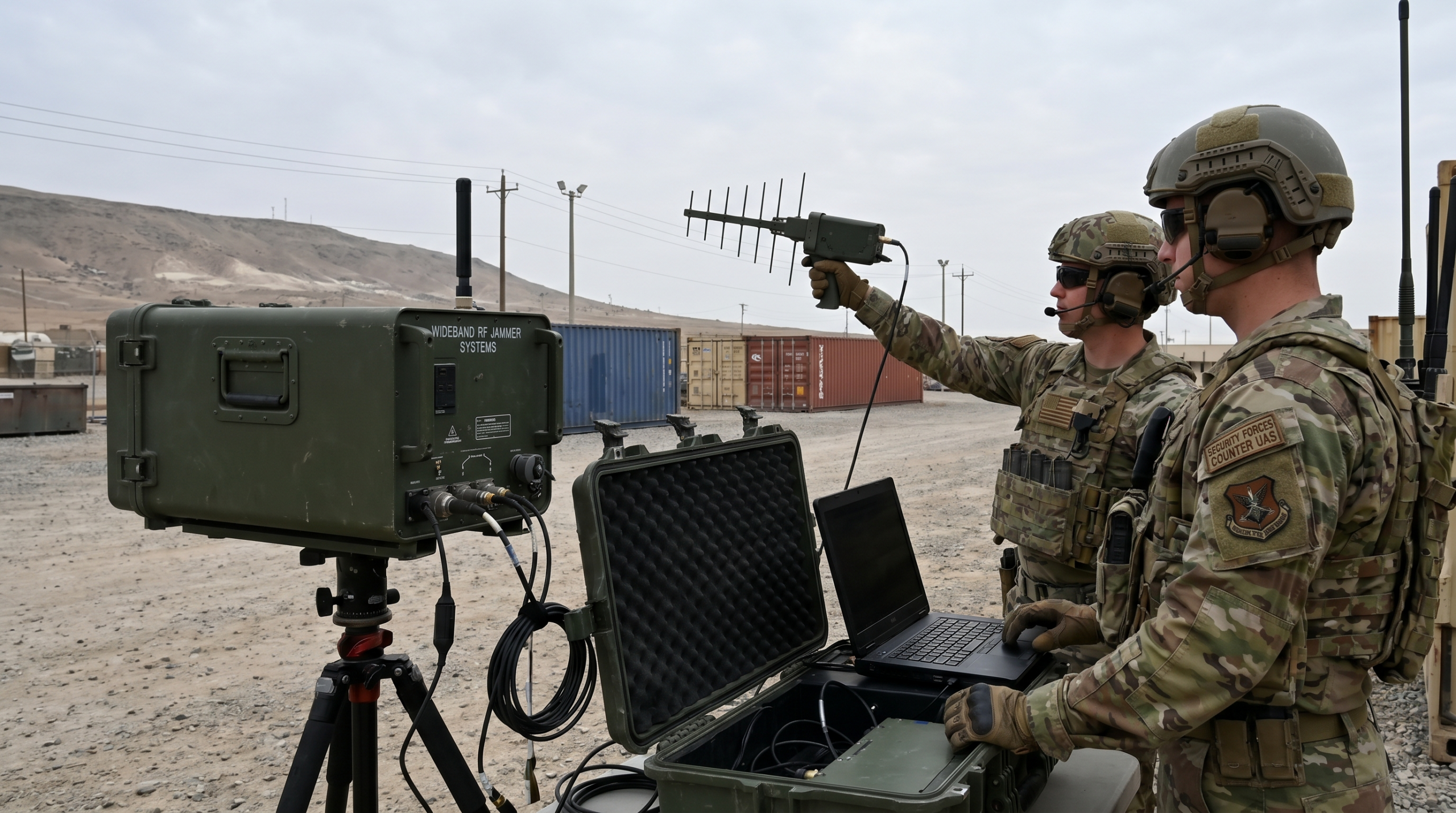
Recent news reports reveal Russia is developing new anti-drone rounds to counter Ukrainian drones, highlighting the increasing severity of drone threats on the modern battlefield. Ukraine extensively uses drones for reconnaissance and attack, placing immense pressure on traditional defense systems. This development not only reflects the central role of drone technology in military conflicts but also emphasizes the urgent need for more effective anti-drone signal interference strategies worldwide to address this evolving aerial threat.
Industry Challenges & Pain Points
With the rapid advancement of drone technology, unauthorized drone activities pose a significant challenge to national security. From small reconnaissance drones to attack drones, their applications are increasingly widespread, posing potential threats to critical infrastructure, military targets, and even civilian aviation. Traditional anti-drone methods, such as jammers relying on fixed frequencies or physical interception, often prove inadequate due to their frequency rigidity, slow response times, and inability to effectively counter frequency-hopping, wideband, or swarm drone threats. How to effectively implement anti-drone signal interference is a pressing issue in the current defense and security sectors.
The Core Countermeasure: Why Signal Interference Source is Key
In counter-drone systems, the signal interference source plays a crucial role. It does not simply destroy drones but rather emits specific frequency electromagnetic waves to sever the communication link between the drone and its operator, or interfere with its global positioning system signals, causing it to lose control or deviate from its intended flight path. To achieve efficient anti-drone signal interference, a signal generator with wide bandwidth, high instantaneous bandwidth, and frequency agility is essential. This enables the jamming system to quickly adapt to the operating frequencies of various drone models, covering a broader range of threats.
Advanced Solution: 400M Instantaneous Bandwidth Signal Generator
To counter increasingly complex drone threats, cutting-edge technology is vital. Our recommended 400M Instantaneous Bandwidth Signal Generator is designed precisely to meet these stringent requirements. This device operates across a frequency range of 70-6000MHz, capable of covering the communication and control bands of most current drones. Its core advantage lies in providing 400M of instantaneous bandwidth, meaning it can simultaneously perform signal interference across a wide spectral range, effectively countering frequency-hopping and wideband communication drones. Furthermore, this signal generator features software tunable frequency capabilities, allowing real-time adjustment of interference strategies based on the threat type. This product, with its Radio Regulatory Commission Type Approval, offers powerful and flexible technical support for anti-drone signal interference.
Conclusion
The complexity of drone threats demands a continuous upgrade of our defense strategies. From Russia’s actions in developing anti-drone rounds, we see the importance of proactive defense. Effective anti-drone signal interference, especially when relying on advanced wideband signal generators like the 400M Instantaneous Bandwidth Signal Generator, is central to building future security defenses. By combining wide bandwidth, frequency agility, and software tunable capabilities, we can more effectively protect critical assets from aerial threats.
To learn more about how the 400M Instantaneous Bandwidth Signal Generator can enhance your anti-drone capabilities, please contact our expert team today.
FAQ
Question 1: How does the 400M Instantaneous Bandwidth Signal Generator improve anti-drone effectiveness?
Answer 1: It offers a broad frequency coverage of 70-6000MHz and 400M instantaneous bandwidth, effectively interfering with frequency-hopping and wideband drone communications, combined with software tunable functions for rapid and precise countermeasures.
Question 2: What impact does signal interference have on drone operations?
Answer 2: Signal interference can sever the communication link between the drone and its remote controller, disrupt its GPS navigation signals, leading to the drone losing control, returning to base, or forced landing, thereby achieving countermeasure objectives.
